

Why dry ice safety matters
Dry ice is carbon dioxide frozen solid at -109.3°F (-78.5°C). It looks like a harmless block of ice, but it carries two immediate physical hazards: extreme cold and gas expansion. Treating it like regular ice is the fastest way to get injured.
The primary danger is contact. Skin touching dry ice for even a few seconds can bond to the surface, tearing tissue when you try to pull away. This is why specialized gear like thick insulated gloves and long-handled tongs are non-negotiable. Bare hands are not an option.
The second danger is invisible. As dry ice warms, it turns directly into gas, expanding 800 times in volume. In a sealed car trunk or a small, unventilated room, this gas displaces the oxygen you need to breathe. You won't feel the gas filling the space until it's too late. Always handle dry ice in well-ventilated areas and never store it in airtight containers, which can explode from pressure buildup.
Essential protective gear for handling
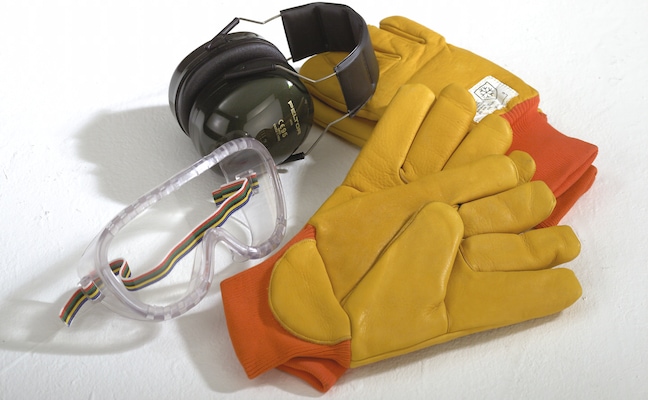
Handling dry ice requires specific personal protective equipment (PPE) because standard cotton or latex gloves offer zero protection against its -109.3°F (-78.5°C) surface. Contact with bare skin causes immediate frostbite, similar to a severe burn, while even thin fabric gloves can become brittle and fail within seconds. The Compressed Gas Association (CGA) explicitly warns against handling dry ice with bare hands, recommending insulated work gloves or tongs as the minimum standard for safe interaction [src-serp-2].
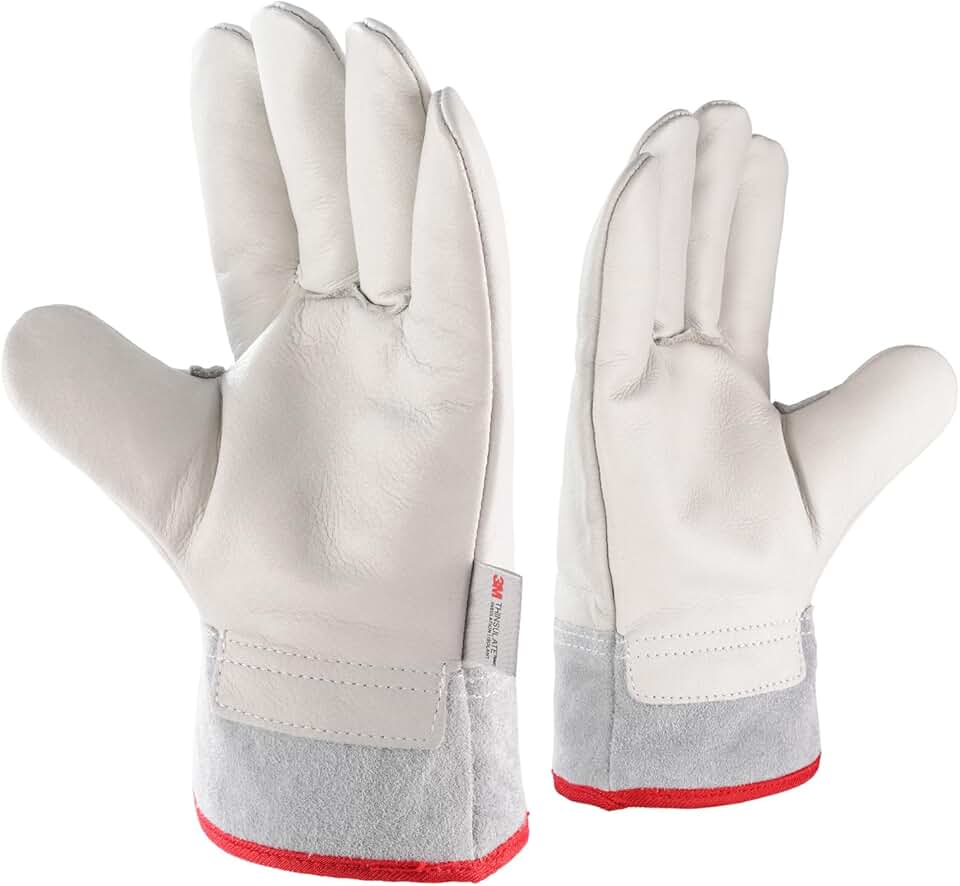
Insulated cryogenic gloves are the primary defense. These gloves are typically made from thick, specialized materials like Kevlar or insulated leather that trap air and resist rapid heat transfer. When selecting gloves, look for models rated for extreme cold rather than general-purpose winter wear. The insulation must be thick enough to allow you to grasp blocks or pellets without feeling the cold penetrate to your skin. Pairing gloves with long sleeves and closed-toe shoes creates a complete barrier against accidental spills or splashes.
Safety goggles are equally critical. Dry ice sublimes into carbon dioxide gas, but small shards or dust can easily fly off when breaking larger blocks. Without eye protection, these particles can cause serious corneal damage or permanent vision impairment. Regular prescription glasses do not provide adequate side protection; you need impact-rated safety goggles that seal around the eyes. This simple piece of gear prevents the most common eye injuries associated with dry ice handling.
Beyond gloves and goggles, using tongs or insulated tools removes your hands from the danger zone entirely. Tongs allow you to move heavy blocks (which can exceed 50 lbs) without direct contact, reducing the risk of both frostbite and musculoskeletal strain. For smaller quantities, thick oven mitts can serve as a temporary substitute if dedicated cryogenic gloves are unavailable, but they should never be relied upon for prolonged handling.
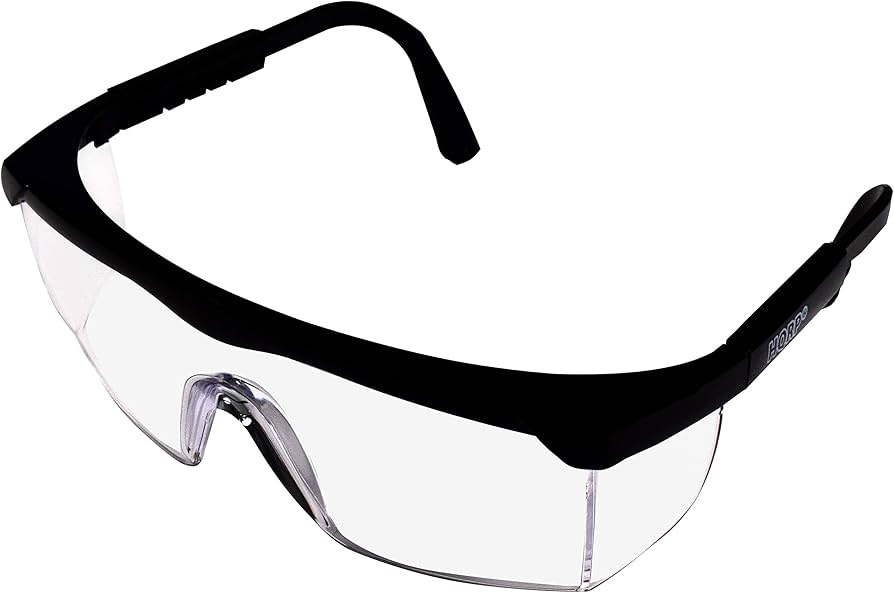
- Impact resistant polycarbonate
- Anti-fog coating
- Secure fit for all face shapes

As an Amazon Associate, we may earn from qualifying purchases.
Tools for safe transport and breaking
Handling dry ice requires more than just thick gloves. Blocks can weigh over 50 pounds and must be broken into manageable chunks for transport or use. The goal is to keep your hands at a safe distance while applying enough force to fracture the ice without creating dangerous shards.
Heavy-duty ice tongs are the primary tool for moving dry ice. They allow you to grip slippery, uneven blocks securely without direct skin contact. Look for tongs with a wide jaw opening and a locking mechanism to prevent accidental drops. Pairing tongs with a wooden mallet provides the leverage needed to break larger blocks into smaller pieces safely.


As an Amazon Associate, we may earn from qualifying purchases.
Transporting these tools along with your dry ice ensures you are prepared for any situation. A sturdy cooler with a lid (but not sealed airtight) protects both the ice and the tools during transit. Always place the dry ice in a well-ventilated area before breaking it to avoid carbon dioxide buildup.
Choose a vented cooler to manage sublimation pressure
Dry ice sits at -109.3°F (-78.5°C) and constantly turns into gas, a process called sublimation. This phase change expands the material's volume by roughly 800 times. If you trap this gas in an airtight container, pressure builds rapidly until the lid blows off or the container ruptures. That is why you should never store dry ice in a sealed cooler or a glass jar.
You need a container that breathes. A standard Styrofoam or polyethylene cooler is ideal because it insulates well while allowing you to leave the lid slightly ajar. This venting lets carbon dioxide escape safely without creating a hazardous buildup of pressure inside the storage space.
When selecting your cooler, consider how long you need the ice to last. Thicker walls mean slower sublimation rates, which keeps your items frozen longer. Below is a comparison of common cooler types to help you decide which fits your timeline and budget.
| Cooler Type | Retention Time | Weight | Cost |
|---|---|---|---|
| Styrofoam | 12-24 hours | Very light | $ |
| Hard Plastic (Polyethylene) | 24-48 hours | Heavy | $$ |
| Premium Rotomolded | 3-5 days | Very heavy | $$$ |
For most short trips or day-long events, a standard Styrofoam cooler is sufficient and cost-effective. If you are transporting dry ice over a weekend or need maximum retention, invest in a hard-sided polyethylene cooler with thick insulation. Always ensure the lid is not latched shut during transport.
Safe storage and transport rules
Dry ice sublimates directly from solid to gas, creating a significant pressure buildup inside sealed containers. This expansion is the primary hazard during storage and transport. Never store dry ice in an airtight container, such as a standard cooler with a locked lid or a glass jar. The resulting pressure can cause the container to burst, leading to injury or property damage. Instead, use a styrofoam cooler or an insulated container with the lid left slightly ajar to allow carbon dioxide gas to escape safely.
Ventilation is equally critical. Dry ice releases carbon dioxide, a colorless and odorless gas that can displace oxygen in enclosed spaces. Always work in a well-ventilated room and never transport dry ice in a closed vehicle without airflow. If you must transport dry ice in a car, keep the trunk open or the rear windows cracked to ensure fresh air circulates. Storing dry ice in the trunk of a sealed car for an extended period can lead to dangerous levels of carbon dioxide accumulation, posing a serious health risk to passengers.
When handling dry ice for storage or transport, always wear appropriate personal protective equipment (PPE). Use insulated gloves or tongs to avoid direct skin contact, which can cause severe frostbite. If dry ice spills on counters or floors, put on protective gloves before handling it. Keep dry ice in its original packaging or a dedicated insulated container until you are ready to use it, minimizing exposure time and reducing the risk of accidental contact or improper ventilation.
Frequently asked questions about dry ice safety
Handling dry ice requires strict adherence to safety protocols to prevent injury and property damage. Below are answers to common questions derived from safety guidelines and user search intent.
No comments yet. Be the first to share your thoughts!