

Buy dry ice budget
Dry ice pricing rarely follows a flat per-pound rate. Most suppliers use a tiered model where the unit cost drops as the total weight increases, but the minimum order threshold often sits around 50 pounds for bulk discounts. For smaller summer events, you will likely pay a premium for convenience or delivery rather than the ice itself.
Retail prices typically range from $1.50 to $3.00 per pound at local suppliers, while online orders can exceed $5.00 per pound when factoring in shipping. Delivery fees often add $20 to $50 to the final bill, making pickup the most cost-effective option for groups. Always check if the supplier charges extra for dry ice blocks versus pellets, as pellets are easier to handle but may sublimate faster.
When shopping online, look for products that bundle dry ice with insulated shipping containers. This approach can sometimes lower the effective cost compared to buying loose ice and renting a cooler separately. Below are common dry ice products available for purchase.
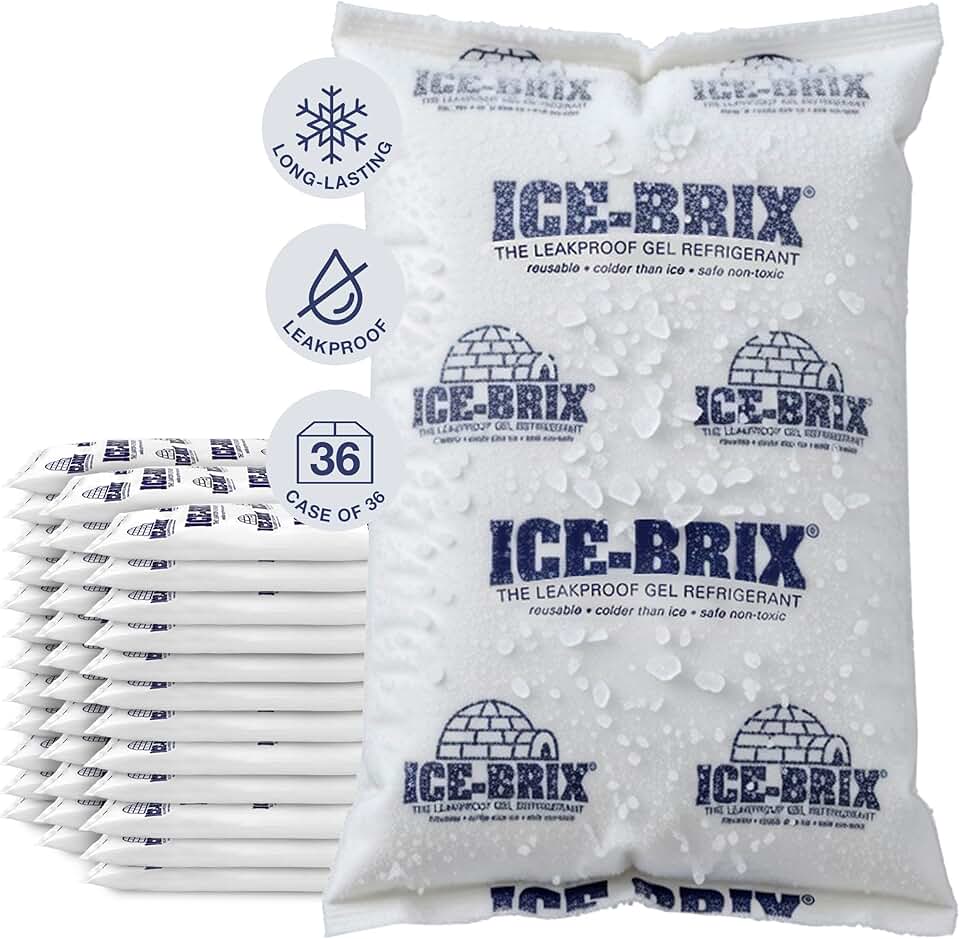
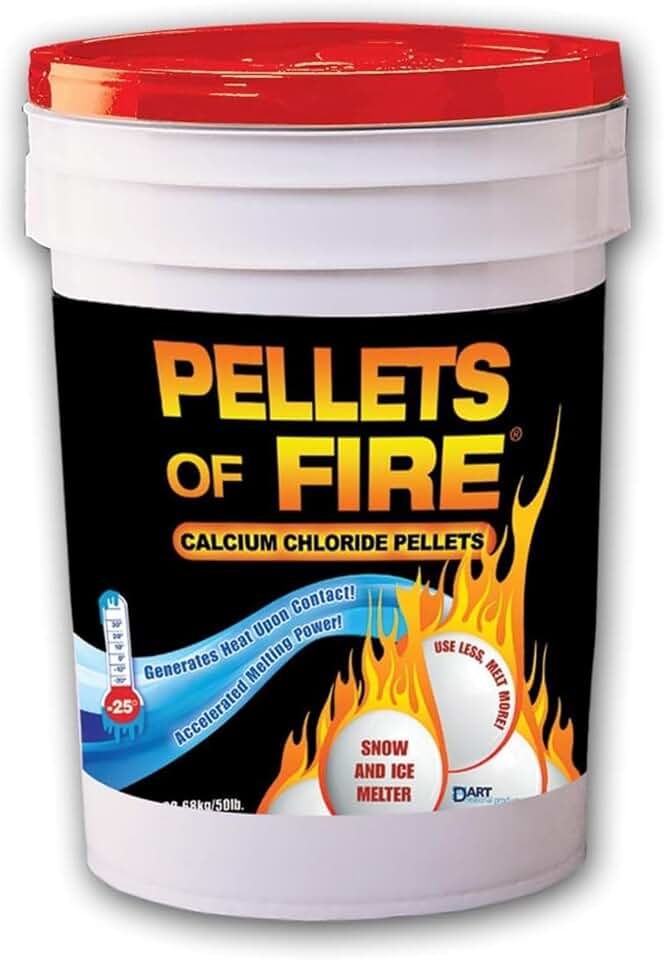

As an Amazon Associate, we may earn from qualifying purchases.
Where to buy dry ice near you
Finding reliable dry ice for summer events often comes down to local availability and pickup convenience. While online retailers sell dry ice packs for shipping, fresh dry ice sublimes quickly and requires immediate use. The strongest options for event planning are local production facilities, national grocery chains, and industrial suppliers who offer bulk quantities.
Local dry ice producers
Independent producers like PA Dry Ice in the Lehigh Valley or regional Cold Freight facilities offer the freshest product. Because they manufacture on-site, you get dry ice with minimal sublimation loss. These suppliers typically sell pellets or blocks by the pound and often allow same-day pickup or local delivery. This is the best option for large events where you need significant volume.
National grocery chains
Penguin Brand Dry Ice is available at over 5,000 grocery stores across the country. You can find it in the frozen food section of major supermarket chains. This is the most convenient option for small to medium events needing just a few pounds. However, availability varies by location, and stock levels can be unpredictable during peak summer months.
Industrial and wholesale suppliers
For commercial needs, suppliers like Cold Freight provide 3/8-inch pellets by the pound in quantities ranging from single pounds to industrial loads. These suppliers cater to businesses requiring consistent supply for food service or industrial cleaning. They often require advance notice for large orders but offer the most competitive pricing per pound for bulk purchases.
| Source | Format | Best For | Availability |
|---|---|---|---|
| PA Dry Ice | Pellets, Rice | Local events, delivery | Pickup/Delivery |
| Penguin Brand | Pellets, Blocks | Small gatherings | 5,000+ Stores |
| Cold Freight | 3/8" Pellets | Bulk/Commercial | Order by Pound |
Key takeaways
- Local producers offer the freshest ice with delivery options.
- Grocery chains are convenient for small quantities but may run out.
- Industrial suppliers provide bulk pricing for large-scale needs.
- Always plan pickup within 24 hours to minimize sublimation loss.
Inspect the expensive parts
Dry ice is cheap until it isn’t. A single cracked cooler or a rushed purchase can turn a $30 supply into a ruined event. Before you load the ice, check these three areas where mistakes happen most often.
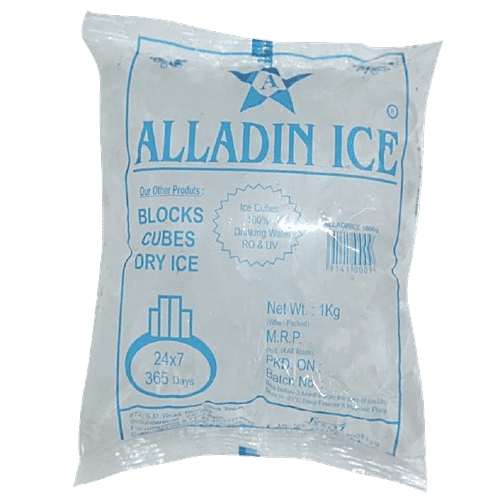
Dry ice sublimes constantly. Ask the supplier when their current batch was pressed. If they keep large piles out on the floor for hours, the blocks in the middle are already shrinking into dust. Look for a recent production stamp or ask for a fresh block from the top of the pile. Buying older stock means you pay for water weight, not cooling power.

Inspect your cooler’s gasket and latch. Dry ice requires insulation, not airtight seals. If the lid doesn’t close firmly, the cold air escapes and the ice vanishes in hours. Check for cracks in the plastic shell. A hairline fracture near the hinge is a common failure point that ruins the entire load. Test the latch with the lid closed; it should stay shut without forcing.

Ensure your transport container is rated for dry ice. Standard coolers work if left slightly ajar, but check local regulations for vehicle transport. If using a trunk, ensure ventilation is adequate to prevent CO2 buildup. Never wrap dry ice in plastic bags that can’t breathe; use cardboard or paper towels to handle blocks. Proper packaging extends the life of your ice by slowing sublimation.
Skipping these checks saves five minutes but risks hours of regret. A quick inspection prevents the most common, expensive failures.
Plan for Ownership Costs
Buying dry ice is a transaction, not an investment. Unlike a cooler or a generator, dry ice has no resale value and no durability. It is a consumable fuel that burns away as it works. If you treat it like a tool you can reuse, you will lose money on every event.
The biggest hidden cost is sublimation—the rate at which dry ice turns back into carbon dioxide gas. A standard block loses about 10 pounds per day in a typical cooler. In a high-quality styrofoam chest, that number might drop to 5-7 pounds. In a cheap plastic bin, it could vanish in 24 hours. This means your "per pound" price is actually your "per hour" price. Buying 50 pounds because it was on sale is a waste if 30 pounds evaporate before you need it.
Factor in the cost of storage and transport. Dry ice requires a vehicle with ventilation. You cannot seal it in a trunk or SUV cargo area; the CO2 buildup is lethal. You also need a cooler that is dedicated to dry ice. Regular coolers will crack or become permanently damaged by the extreme cold. If you don't already own a heavy-duty styrofoam or high-density polyethylene cooler, that capital expense adds to the true cost.
Finally, consider the "last mile" logistics. Most dry ice sellers charge by the pound, but many have minimum order quantities (e.g., 50 lbs or 100 lbs). If your event only needs 20 pounds, you are paying for 30 pounds of waste. Compare local suppliers: some charge delivery fees that exceed the product cost for small orders, while others offer pickup discounts. Always calculate the total cost of the block you buy, the cooler you use, and the gas you burn driving to get it.
Buy dry ice: what to check next
Before you head out, here are the practical details that actually matter when buying dry ice for a summer event. Knowing where to look and how to handle the logistics saves time and keeps your supplies frozen.
No comments yet. Be the first to share your thoughts!