

Why dry ice safety matters
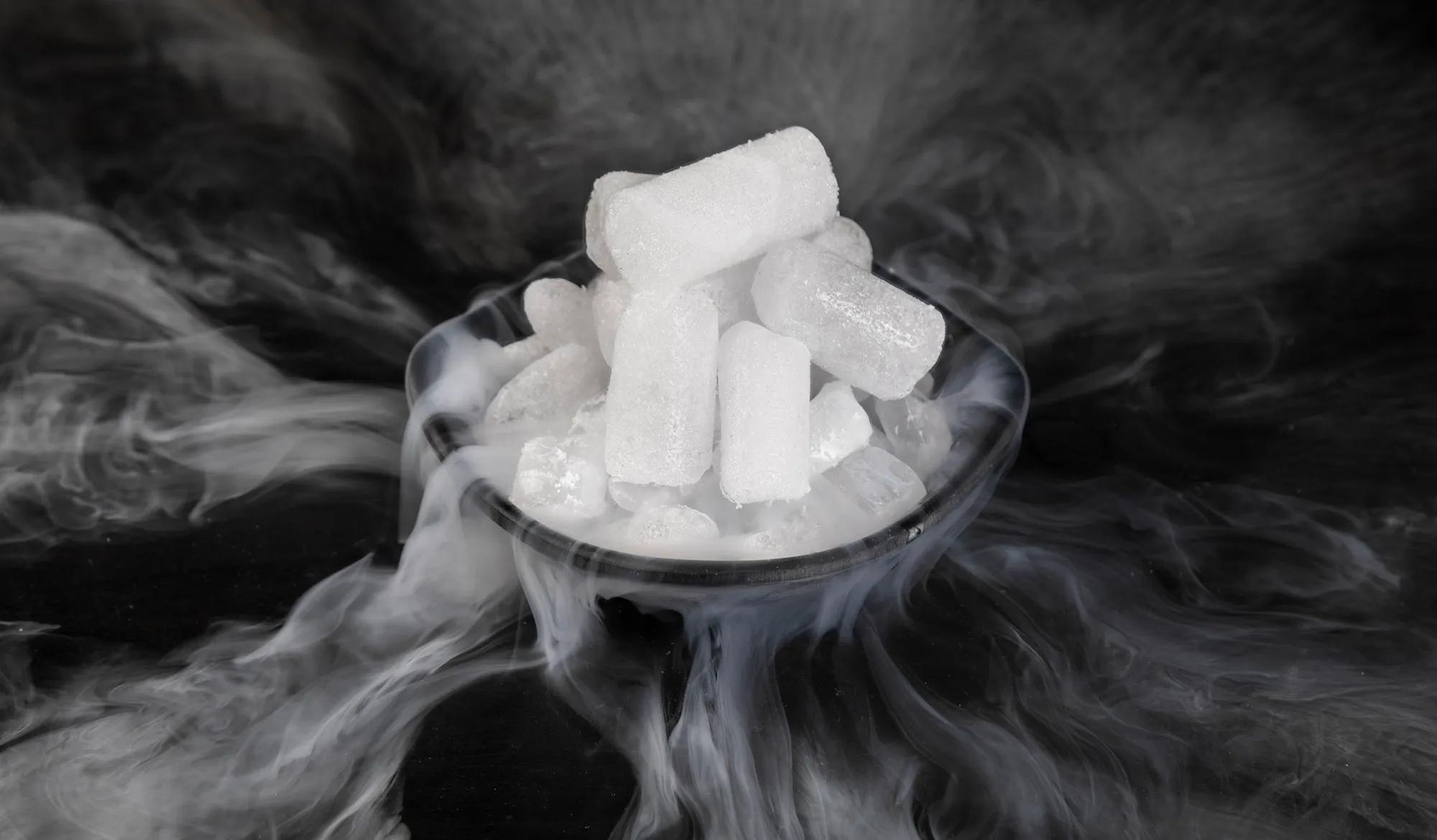
Dry ice is solid carbon dioxide that sublimes directly into gas at -109°F (-78°C). This process creates two immediate hazards: extreme cold capable of causing instant frostbite, and the displacement of oxygen in enclosed spaces. Understanding these risks is the foundation of safe handling.
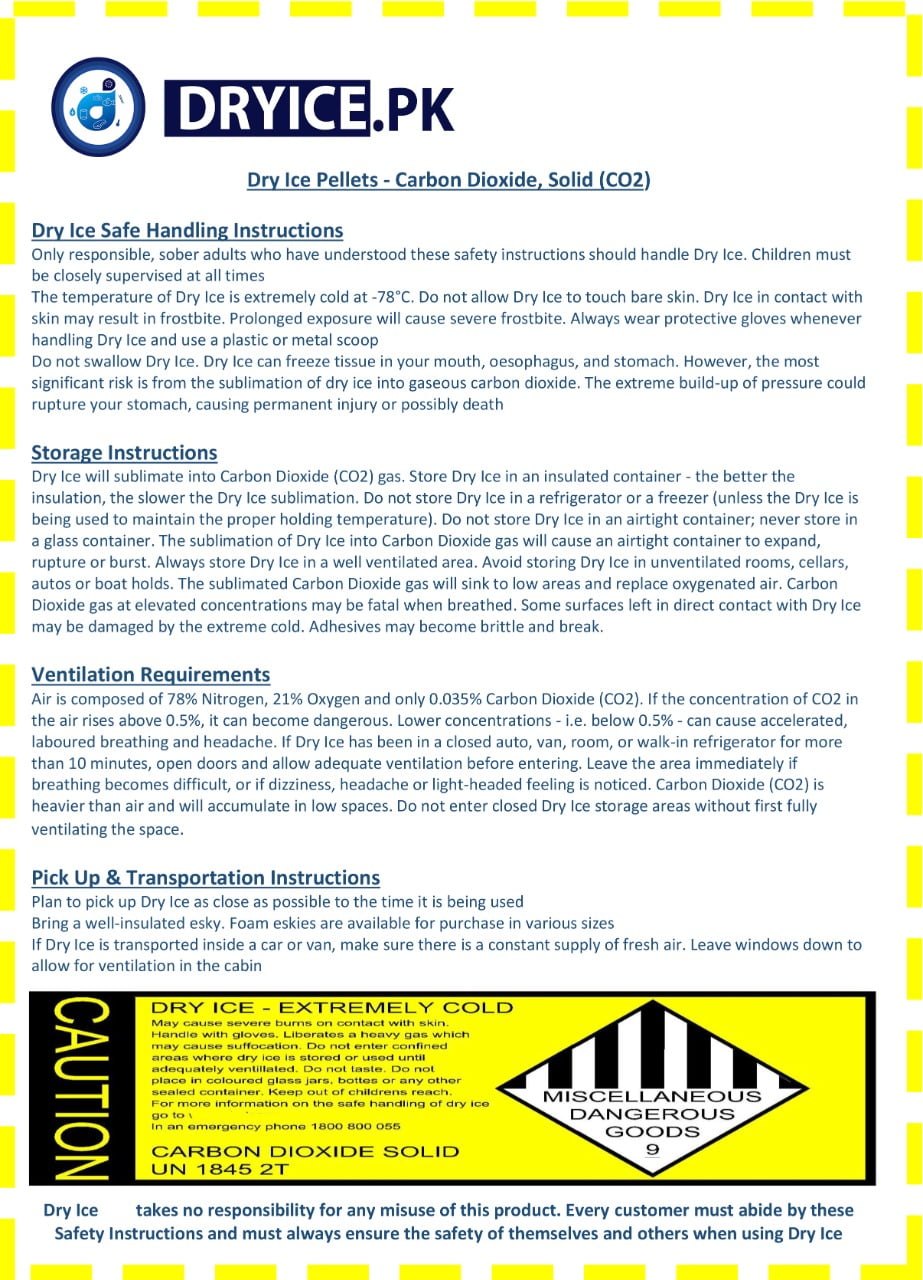
Always work in a well-ventilated room and never store dry ice in an airtight container, as the expanding gas can cause pressure buildup and explosion. Treat it with the same respect you would handle liquid nitrogen or other cryogenic substances. Proper ventilation and protective gear are not optional; they are the first line of defense against these unique hazards.
Protect your hands and eyes
Dry ice causes instant frostbite on contact with skin. The only safe way to handle it is with proper personal protective equipment (PPE). Treat dry ice like an active chemical hazard, not a simple cooling agent.
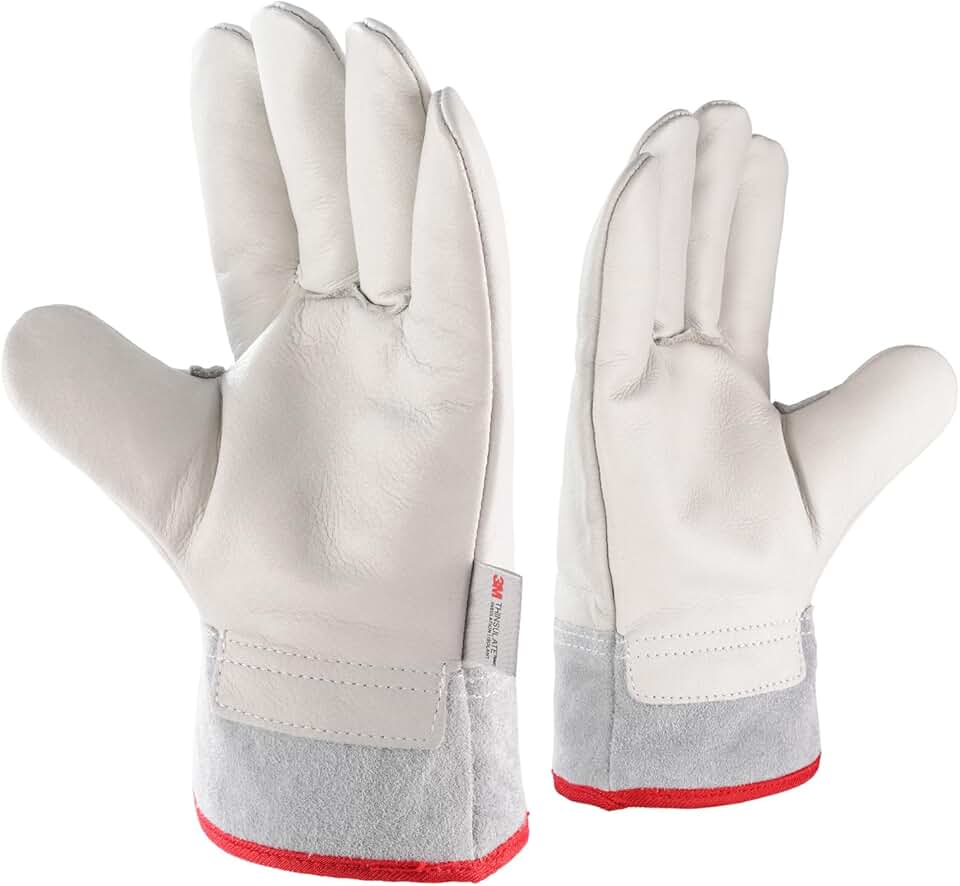
Always wear insulated gloves when touching dry ice blocks or pellets. Standard winter gloves are often insufficient; look for thick, insulated cryogenic gloves or heavy work gloves. Never handle dry ice with bare hands, even for a few seconds. If you must move a large block, use tongs or a shovel to keep your hands at a safe distance.
Protect your eyes with safety goggles or a face shield. Small shards of dry ice can break off and fly into your eyes during handling or when placing ice into a container. Safety glasses alone are often not enough; wraparound goggles provide better protection against airborne particles.
Wear closed-toe shoes and long pants to protect your lower body. If a piece of dry ice falls, your feet and legs are vulnerable to severe burns. A lab coat or heavy apron adds an extra layer of defense against accidental splashes or drops.

As an Amazon Associate, we may earn from qualifying purchases.
Handle dry ice with tongs
Because dry ice causes immediate tissue damage upon contact, bare hands are never an option. The Compressed Gas Association explicitly advises using insulated gloves or ice tongs to handle blocks, which often weigh more than 50 pounds. Using the correct mechanical tools minimizes skin exposure and prevents the heavy blocks from slipping through sweaty or numb fingers.
Start by putting on cryo-rated gloves. These specialized gloves are designed to withstand extreme cold without becoming brittle or transferring heat too quickly. Once your hands are protected, use a pair of heavy-duty ice tongs to grip the block firmly. Ensure the tongs are clean and dry to prevent the dry ice from sticking to the metal jaws.
Grip the block securely near its center of gravity. Dry ice blocks can be irregularly shaped, making them unpredictable. Lift slowly and steadily, keeping the block close to your body to maintain balance. If the block is too large to handle safely, break it into smaller pieces using a wooden mallet or a specialized dry ice saw. Never use metal tools that could shatter or become projectiles.
Place the dry ice into your storage container or desired location. Avoid dropping the block, as the impact can cause it to shatter, creating sharp edges and increasing the surface area for rapid sublimation. Always handle dry ice in a well-ventilated area to prevent carbon dioxide buildup, which can displace oxygen and cause suffocation.
Store dry ice in a ventilated cooler
Proper storage is the final step in maintaining safety. Storing dry ice incorrectly can lead to rapid sublimation or, more dangerously, pressure buildup that causes containers to rupture. The goal is to keep the ice frozen for as long as possible while allowing carbon dioxide gas to escape safely.
Use a hard-sided cooler
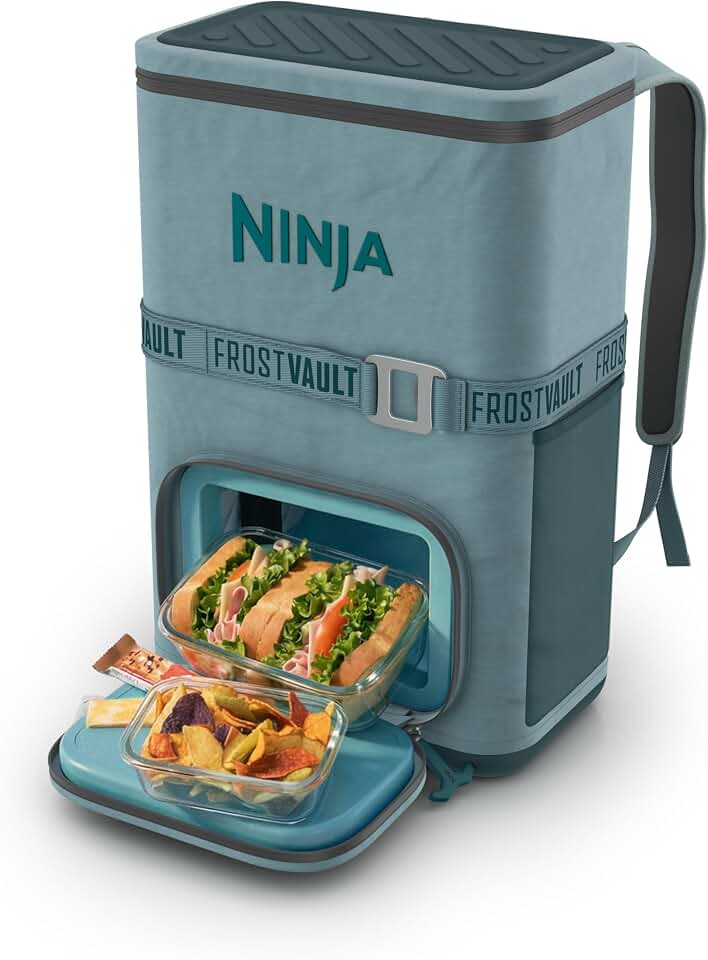
Avoid storing dry ice in airtight containers like glass jars or plastic milk jugs. As dry ice sublimates, it turns directly into gas, expanding significantly in volume. In a sealed container, this pressure has nowhere to go, creating a bomb-like hazard. Instead, use a hard-sided cooler, such as a high-quality Styrofoam cooler designed for dry ice. These containers are sturdy enough to withstand minor internal pressure changes while providing excellent insulation to slow sublimation.
Keep the lid slightly open
Ventilation is critical. You should never seal the cooler completely. Leave the lid slightly ajar or use a latch that does not create an airtight seal. This allows carbon dioxide gas to escape continuously. If you must transport the dry ice in a car, roll down the windows to ensure the vehicle remains well-ventilated, as CO2 accumulation in enclosed spaces can displace oxygen and pose a health risk.
Minimize opening frequency
Every time you open the cooler, warm air rushes in, accelerating the sublimation process. Plan your activities so you only need to retrieve the dry ice when necessary. If you are using the cooler for an event, keep it in a cool, shaded area away from direct sunlight or heat sources like car trunks in summer. This helps maintain the ice's longevity without compromising safety.


As an Amazon Associate, we may earn from qualifying purchases.
Avoid airtight containers and ingestion
Two of the most dangerous violations involve storage and consumption. Both mistakes stem from ignoring the physical properties of carbon dioxide, leading to immediate and severe consequences.
Never store dry ice in an airtight container. As dry ice sublimates, it expands into gas at a rate roughly 800 times greater than its solid volume. In a sealed jar or cooler, this pressure builds rapidly with no escape route. The result is often a violent explosion that can shatter the container and send shards flying. Always use a vented cooler or leave the lid slightly cracked to allow gas to dissipate safely.
Do not ingest dry ice. It is not safe to eat or drink, even in small pieces. Because it sits at -109.3°F (-78.5°C), direct contact with internal tissues causes instant, severe frostbite and potential organ damage. If swallowed, the sublimating gas can also cause internal bloating and rupture. Keep dry ice out of reach of children and pets at all times.
Where to buy dry ice locally
Finding a reliable source for dry ice requires a quick strategy, as supply is often limited and stores sell out by midday. The most accessible option is the frozen food aisle of major grocery chains. Large retailers like Walmart, Kroger, and Safeway typically stock dry ice near their ice cream or bulk frozen goods. Because inventory varies by location, you must call ahead to confirm availability and ask about their specific packaging policy. Many stores require you to bring your own insulated container to maintain safety during transport, though some provide small Styrofoam boxes for a small fee.
Specialized ice dealers and gas suppliers are the second best option, particularly if you need large quantities for commercial or industrial use. Companies like U-Haul often have dry ice available at their rental locations, making them convenient if you are already renting a vehicle. These suppliers can provide bulk blocks or pelletized dry ice, which sublimates more slowly than crushed varieties. Always verify that the supplier follows safety protocols by providing proper handling instructions and ensuring the product is stored in ventilated freezers.
Gas stations and convenience stores occasionally carry dry ice, but this is less common and highly dependent on the specific franchise. If you live in a rural area, your local hardware store or marine supply shop might be your only option. In all cases, plan your trip to purchase the dry ice last so it spends the minimum amount of time outside the freezer before you can store it properly.
-
Call the store to confirm dry ice is in stock
-
Bring an insulated cooler or Styrofoam box for transport
-
Purchase dry ice last to minimize sublimation time
Frequently asked: what to check next
Understanding how long dry ice lasts, where you can take it, and how to get rid of it safely is essential for any safety plan. These common questions cover the logistical details that keep your project safe and legal.
Work through the safety steps
No comments yet. Be the first to share your thoughts!