
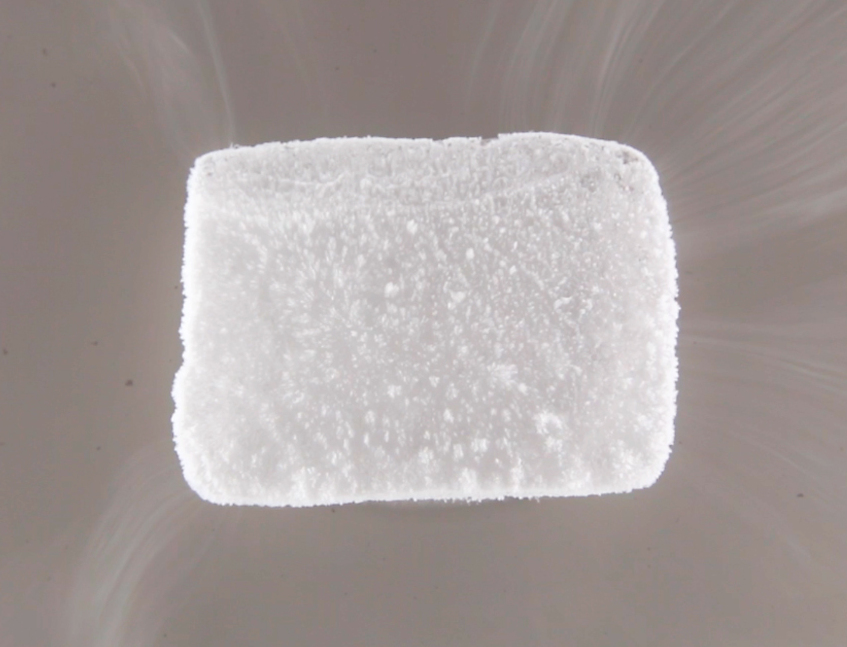

5 Dry Ice Experiments You Can Do at Home (Plus Safety and Buying Guide)
5 Dry Ice Experiments You Can Do at Home (Plus Safety and Buying ) works best when the purchase path is explicit. Verify the source, compare the offer against real alternatives, check the total cost, and confirm what happens after payment before you decide. After each comparison, write down the one risk that would change your mind. If the seller, condition, support, warranty, shipping, or upkeep still feels uncertain, resolve that question before moving to checkout.
The simplest way to use this section is to verify the seller, compare the total cost, and resolve the biggest risk before you commit.
Where to buy dry ice near you
Dry ice is not a standard item you will find in the freezer aisle of most grocery stores. Because it sublimates at -109.3°F (-78.5°C), it requires specialized handling and storage. Most retailers keep it in dedicated freezers or industrial dispensers at the back of the store. You typically need to order it in advance or call ahead to check availability, as stock levels fluctuate daily based on demand.
Grocery Stores and Supermarkets
Major national chains are the most common source for household dry ice. Stores like Publix, Kroger, Safeway, and Albertsons often carry dry ice in pellet, block, orflake forms. The inventory is usually located near the bulk ice or frozen foods section. You will need to wear insulated gloves or use tongs to handle the dry ice yourself, as store staff rarely provide it pre-packaged. Bring a cooler to transport it home immediately after purchase to minimize sublimation loss.
Gas Stations and Convenience Stores
Many gas stations partner with dry ice distribution networks to offer dry ice to customers. Brands like Penguin Brand Dry Ice supply thousands of locations across the United States. These spots are convenient if you are already out running errands, but selection may be limited to specific shapes like pellets or blocks. It is wise to call the specific station before driving there, as not every location stocks dry ice daily.
Online Retailers and Specialty Suppliers
For larger quantities or specific forms like dry ice flakes, online retailers are a reliable option. Websites like Amazon sell dry ice packs and sometimes bulk dry ice shipments, though shipping logistics can be complex. Specialty suppliers often offer next-day delivery in insulated packaging. This method is best for planned experiments where you have time to receive and store the dry ice properly before use.
What You Need to Transport Dry Ice
Getting dry ice home safely requires the right gear. Standard cardboard boxes are insufficient because they do not insulate against the extreme cold. You need a Styrofoam cooler or an insulated bag to keep the dry ice from sublimating too quickly during transit. Ensure the lid is not sealed airtight, as gas buildup can cause pressure to escape or the container to pop open.


As an Amazon Associate, we may earn from qualifying purchases.

How to store dry ice safely
Dry ice sits at a frigid 109.3°F (–78.5°C), which makes it excellent for keeping food frozen or creating visual effects, but it requires specific handling to last. Because it sublimates directly from solid to gas, it disappears quickly if not stored correctly. Proper storage not only preserves the ice for your experiments but also prevents the buildup of carbon dioxide in enclosed spaces, which can displace oxygen and create a safety hazard.
The goal is to slow down the sublimation process while ensuring any escaping gas can vent safely. You should never seal dry ice in an airtight container, as the expanding gas can cause the container to rupture. Instead, use an insulated cooler that allows for gas exchange.
Use a high-quality Styrofoam or hard-sided cooler. These materials provide excellent insulation, slowing the rate at which the dry ice turns into gas. Avoid thin plastic containers or cardboard boxes, which offer little protection against the extreme cold and provide minimal insulation.
Wrap individual blocks or pellets in newspaper or bubble wrap. This adds an extra layer of insulation and protects the cooler’s interior from direct contact with the -78.5°C surface, which can degrade plastic liners over time. Do not use airtight plastic bags, as they can burst under pressure.
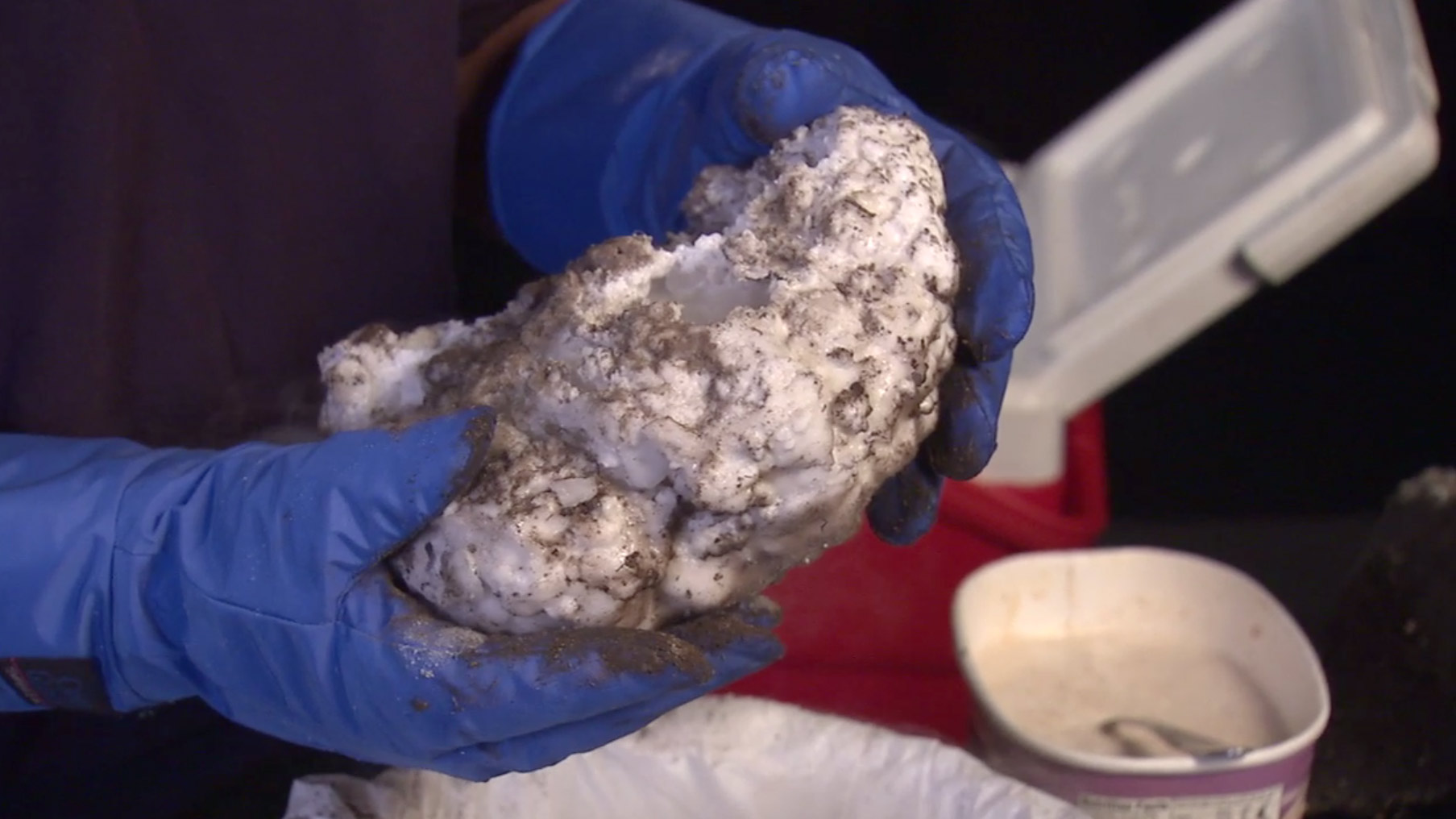
Place the wrapped dry ice at the bottom or center of the cooler. If you are storing food, place it on top of the dry ice. This arrangement ensures that the cold air sinks, keeping the contents frozen while the dry ice remains protected by the surrounding items.

Close the lid but do not latch it tightly. Leave a small gap to allow carbon dioxide gas to escape. Trapping the gas creates pressure that can damage the cooler or cause it to explode. Proper ventilation is critical for safety in any enclosed space.

Keep the cooler in a cold, well-ventilated area like a garage or basement. Avoid storing it in living spaces, bedrooms, or cars for extended periods. Carbon dioxide is heavier than air and can accumulate in low-lying areas, displacing oxygen and posing a suffocation risk.
By following these steps, you can store dry ice for several days, depending on the quality of your cooler and the ambient temperature. Always handle dry ice with thick gloves or tongs to prevent frostbite, and keep it out of reach of children and pets.
Essential dry ice safety precautions
Dry ice is solidified carbon dioxide that sublimates directly into gas at -78.5°C (-109.3°F). This extreme cold and the rapid expansion of gas present two primary hazards: severe cold burns and asphyxiation. Understanding these risks is the foundation for safe handling during your experiments.
Preventing Cold Burns
Never touch dry ice with bare skin. The temperature difference is so extreme that contact can cause frostbite or tissue damage almost instantly, similar to touching liquid nitrogen. Always wear insulated gloves, such as heavy-duty winter mitts or specialized cryogenic gloves, when handling blocks or pellets. If you don't have insulated gloves, use long-handled tongs or thick kitchen tongs to move the dry ice.
Wear closed-toe shoes and long pants to protect your feet and legs from accidental spills. Safety glasses are also recommended, especially when crushing dry ice or performing experiments that might cause splashing or debris.
Avoiding Suffocation Risks
As dry ice sublimates, it releases carbon dioxide gas. In a small, unventilated space, this gas can displace oxygen, leading to dizziness, headache, or even suffocation. Always handle and store dry ice in well-ventilated areas. Never store dry ice in a sealed container, refrigerator, or freezer, as the expanding gas can cause an explosion or damage the appliance.
Safe Transportation
When transporting dry ice, keep your vehicle windows cracked open slightly to allow gas to escape. Do not leave dry ice in a car for extended periods without ventilation. Wrap the dry ice in newspaper or place it in an insulated cooler with the lid loosely closed to maintain its state while allowing gas to escape safely.
Dry ice handling checklist and FAQs
Before starting any experiment, review this safety checklist to ensure you are prepared. Dry ice is extremely cold at -78.5°C (-109.3°F) and sublimates directly into carbon dioxide gas, which can displace oxygen in enclosed spaces. Treat it with the same respect you would give boiling water or sharp tools.
-
Wear insulated gloves or use tongs to handle dry ice.
-
Work in a well-ventilated area to prevent CO2 buildup.
-
Store dry ice in an insulated cooler, never in an airtight container.
-
Keep children and pets away from the workspace.
-
Dispose of unused dry ice in a well-ventilated area; do not throw it in trash or drains.
Common Questions
No comments yet. Be the first to share your thoughts!