

Dry Ice Adventures: A Visual Guide
Creating a swirling cloud of fog is captivating, especially when you make it yourself. Dry ice offers scientific exploration and visual wonder, and it's accessible. However, dry ice requires respect and careful handling. It’s not a toy; it’s a substance that can cause harm if misused.
Here are ten experiments you can do with dry ice, suitable for kids and adults. From making instant ice cream to creating a miniature volcano, these experiments are fun and educational. Safety precautions are included for each activity. Let's explore solid carbon dioxide!

Dry Ice 101: What Is It, Really?
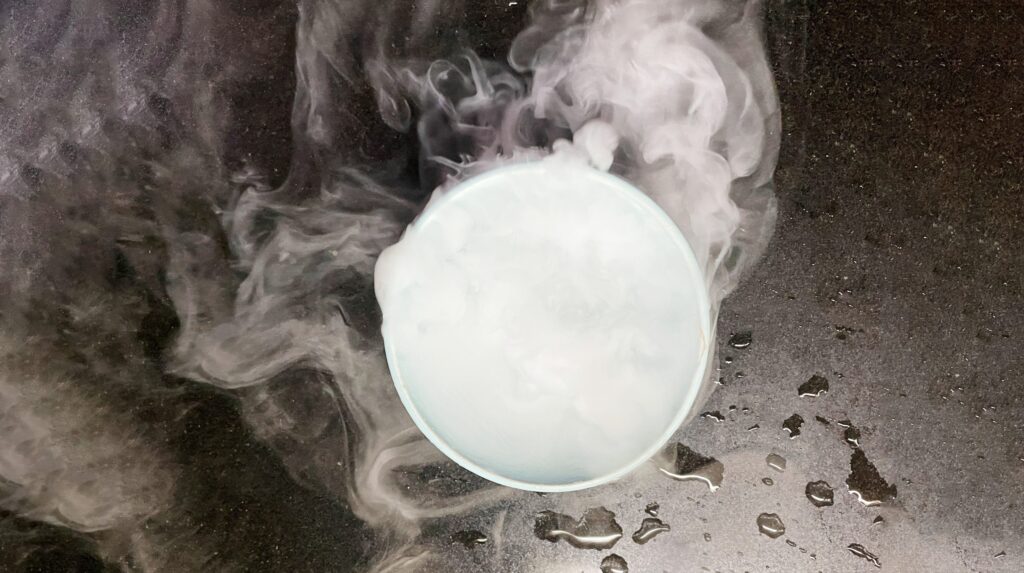
Dry ice isn't ice. It’s the solid form of carbon dioxide (CO2), the same gas we exhale and that plants use for photosynthesis. Unlike water ice, which melts into a liquid, dry ice undergoes sublimation – it transforms directly from a solid into a gas. This is why you don’t get a puddle when dry ice "melts"; you get a swirling fog.
Dry ice is -109.3°F (-78.5°C). This temperature can cause serious frostbite quickly, so protective gear is important. This extreme cold is also useful for keeping things frozen; it’s colder than regular ice, meaning things stay frozen longer.
Beyond experiments, dry ice has practical applications. It's used in shipping perishable goods—like vaccines or frozen foods—because it maintains a low temperature without leaving a liquid residue. Food processing companies use it to flash-freeze items, preserving texture and flavor. It’s a useful substance in many industries, and it can provide a bit of magic in your kitchen.
Safety First: Rules for Handling Dry Ice
Several critical safety rules apply when working with dry ice. Always have adult supervision, especially with children. It’s not something to be experimented with independently.
Direct contact with dry ice will cause frostbite. Always wear insulated gloves and safety goggles to protect your skin and eyes. Never touch dry ice with bare hands; the cold can cause severe damage in seconds. Avoid prolonged exposure to the cold air surrounding the dry ice.
As dry ice sublimates, it releases carbon dioxide gas. In a confined space, this can displace oxygen and lead to asphyxiation. Work in a well-ventilated area. Never use dry ice in a small, enclosed space like a car or a tightly sealed room.
Never ingest dry ice. It can cause severe internal damage. Never seal dry ice in an airtight container. The expanding gas will build up pressure and cause the container to explode. These are real dangers.
Proper disposal is key. Allow any remaining dry ice to sublimate completely in a well-ventilated area. Do not dispose of it in the sink, toilet, or garbage can.
- Always have adult supervision.
- Wear insulated gloves and safety goggles.
- Work in a well-ventilated area.
- Never ingest dry ice.
- Never seal dry ice in an airtight container.
- Allow dry ice to sublimate completely for disposal.
10 Experiments to Blow Your Mind
Here are ten experiments that demonstrate the properties of dry ice, with safety notes for each.
1. Bubbling Potions: Fill a beaker or bowl with warm water. Add a small piece of dry ice and watch it bubble and "smoke". The warm water speeds up sublimation, creating a dramatic effect. Safety Note: Avoid splashing; the water will be cold.
2. Spooky Fog: Place a piece of dry ice in a pumpkin or cauldron filled with warm water. This creates a classic Halloween fog effect. Safety Note: Ensure the container is stable and won’t tip over.
3. Inflating Balloons: Place a small piece of dry ice inside a balloon (adults only!). As the dry ice sublimates, it creates gas that inflates the balloon. Safety Note: Don’t overfill the balloon; it could burst.
4. Instant Ice Cream: Combine 1 cup of cream, 2 tablespoons of sugar, and ½ teaspoon of vanilla extract in a sealed bag. Place the bag inside another bag filled with dry ice and salt. Shake vigorously for 5-10 minutes. Safety Note: Handle the dry ice bag with gloves.
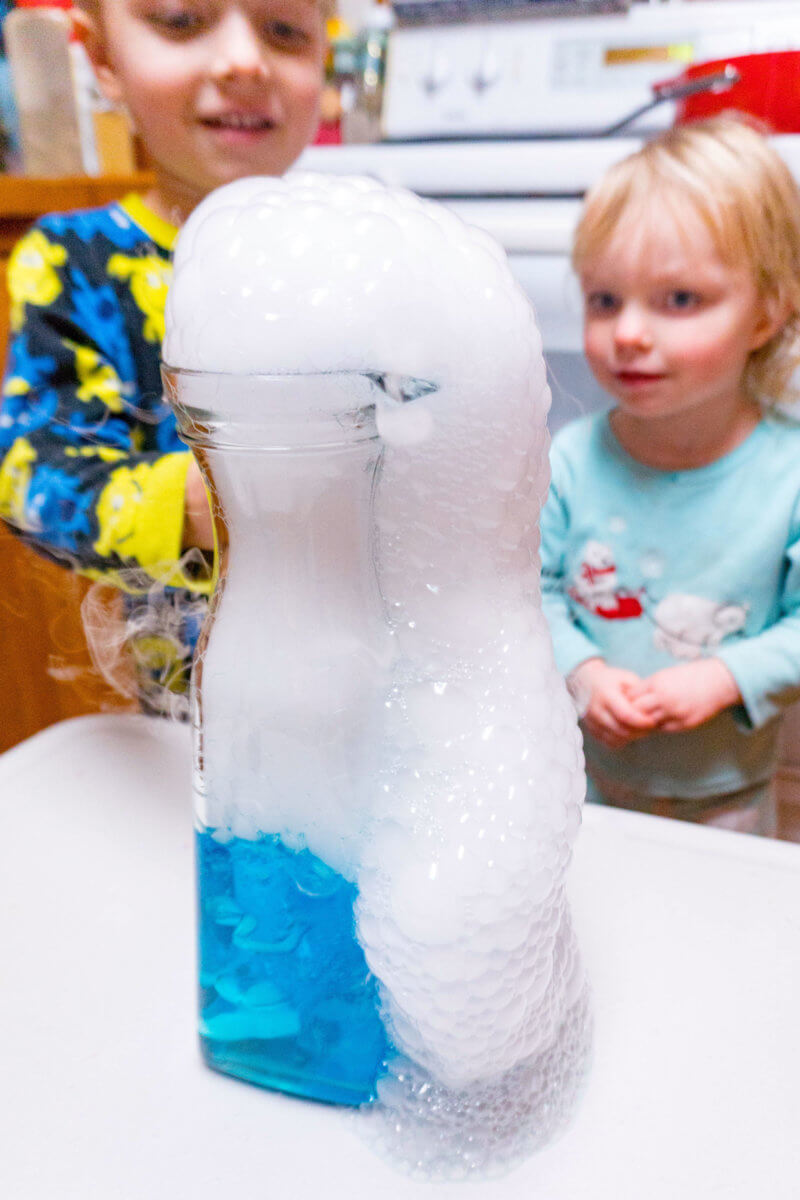
5. Dry Ice Volcano: Build a "volcano’ around a small container. Place dry ice inside the container, then add warm water and a few drops of dish soap. The reaction will create a bubbling, overflowing ‘eruption". Safety Note: Perform this outdoors or in a well-ventilated area.
6. Freeze Objects Instantly: Dip a rubber duck or small flower into a container of dry ice (with gloves!). It will freeze almost instantly. Safety Note: Do not touch the frozen object with bare hands.
7. Dry Ice Snow: Crush dry ice into small pieces. This creates a substance that resembles snow. Safety Note: Handle with gloves and avoid breathing in the fumes.
8. Bubbling "Monster Breath": Add dry ice to a bowl of warm water with a few drops of food coloring. Use a straw to gently blow bubbles through the fog. Safety Note: Keep your face away from the bubbling mixture.
9. Dry Ice and Sound: Place a small piece of dry ice on a metal surface. Gently tap the metal surface and listen to the change in sound as the dry ice sublimates. Safety Note: Do not hit the dry ice directly.
10. Simple Sublimation Demonstration: Place a small piece of dry ice on a plate and observe it over time. Notice how it disappears without melting. Safety Note: Ensure the room is well-ventilated.
Experiment Standouts: Our Top 3 Picks
The Dry Ice Volcano is a crowd-pleaser. The bubbling eruption demonstrates the principles of sublimation and gas expansion. If the eruption isn’t vigorous enough, add more warm water and dish soap.
The Bubbling "Monster Breath’ experiment is simple and creates an eerie effect. It introduces the concept of gas density and how cold air feels different. You can experiment with different food coloring to create different colored ‘breath".
Finally, the Instant Ice Cream experiment is both fun and delicious. It’s a great way to demonstrate the cooling properties of dry ice and the science behind freezing point depression. Be sure to use a well-sealed bag to prevent contamination and ensure the ice cream freezes properly. It's a tasty way to learn!
- Dry Ice Volcano: Visually stunning, demonstrates sublimation and gas expansion.
- Bubbling 'Monster Breath': Simple, safe, and eerie effect; good for demonstrating gas density.
- Instant Ice Cream: Fun, delicious, and demonstrates cooling properties and freezing point depression.
Where to Buy Dry Ice & Storage Tips
Finding dry ice in 2026 should be relatively straightforward, though availability can vary. Grocery stores like Kroger and Safeway typically carry it, especially leading up to Halloween and other holidays. Local ice suppliers and welding supply stores are also good options. Expect to pay around $2-$4 per pound, although pricing fluctuates based on demand.
Proper storage is essential. Dry ice needs to be kept in an insulated container, such as a styrofoam cooler. Never store it in a regular freezer, as the extreme cold can damage the freezer. Do not seal the container completely; it needs to vent to prevent pressure buildup. A cooler with a loose-fitting lid is ideal.
Dry ice sublimates at a rate of about 5-10 pounds every 24 hours in a typical cooler. So, plan accordingly and only purchase the amount you need for your experiments. The longer it sits, the more it will disappear. Don’t wait until the last minute to start your experiments!
Beyond the Fun: Unexpected Dry Ice Uses
Dry ice isn't just for experiments and spooky effects. It has some surprisingly practical uses. ThoughtCo. highlights several of these. Campers often use dry ice to keep food cold on extended trips, as it doesn’t require refrigeration. It’s also incredibly useful during power outages to preserve food in refrigerators and freezers.
Got stubborn gum stuck to something? Dry ice can help! Freeze the gum with dry ice, and it will become brittle and easier to remove. And in some specialized cleaning applications, dry ice blasting – using dry ice pellets to clean surfaces – is employed for its non-abrasive cleaning power.
These less-known applications demonstrate the versatility of dry ice and its value beyond entertainment. It’s a truly remarkable substance with a wide range of practical uses.
Troubleshooting & Common Problems
Sometimes, experiments don’t go as planned. One common problem is dry ice sublimating too quickly. This can happen if the dry ice isn’t stored properly or if the experiment is conducted in a warm environment. Using a better insulated container or moving the experiment indoors can help.
If your bubbling potion isn’t bubbling enough, try adding more warm water or a few drops of dish soap. For the volcano experiment, ensure the opening of the container isn’t blocked. And remember, safety is paramount. If you’re unsure about any step, stop and consult with an adult.
If you encounter any issues or have further questions, the UCSB Chemistry Department outreach website (web.chem.ucsb.edu) is a fantastic resource. It provides detailed information about dry ice and its properties, as well as additional experiment ideas. Remember to always prioritize safety and have fun exploring the fascinating world of dry ice!


No comments yet. Be the first to share your thoughts!