

The reality of 2026 power outages
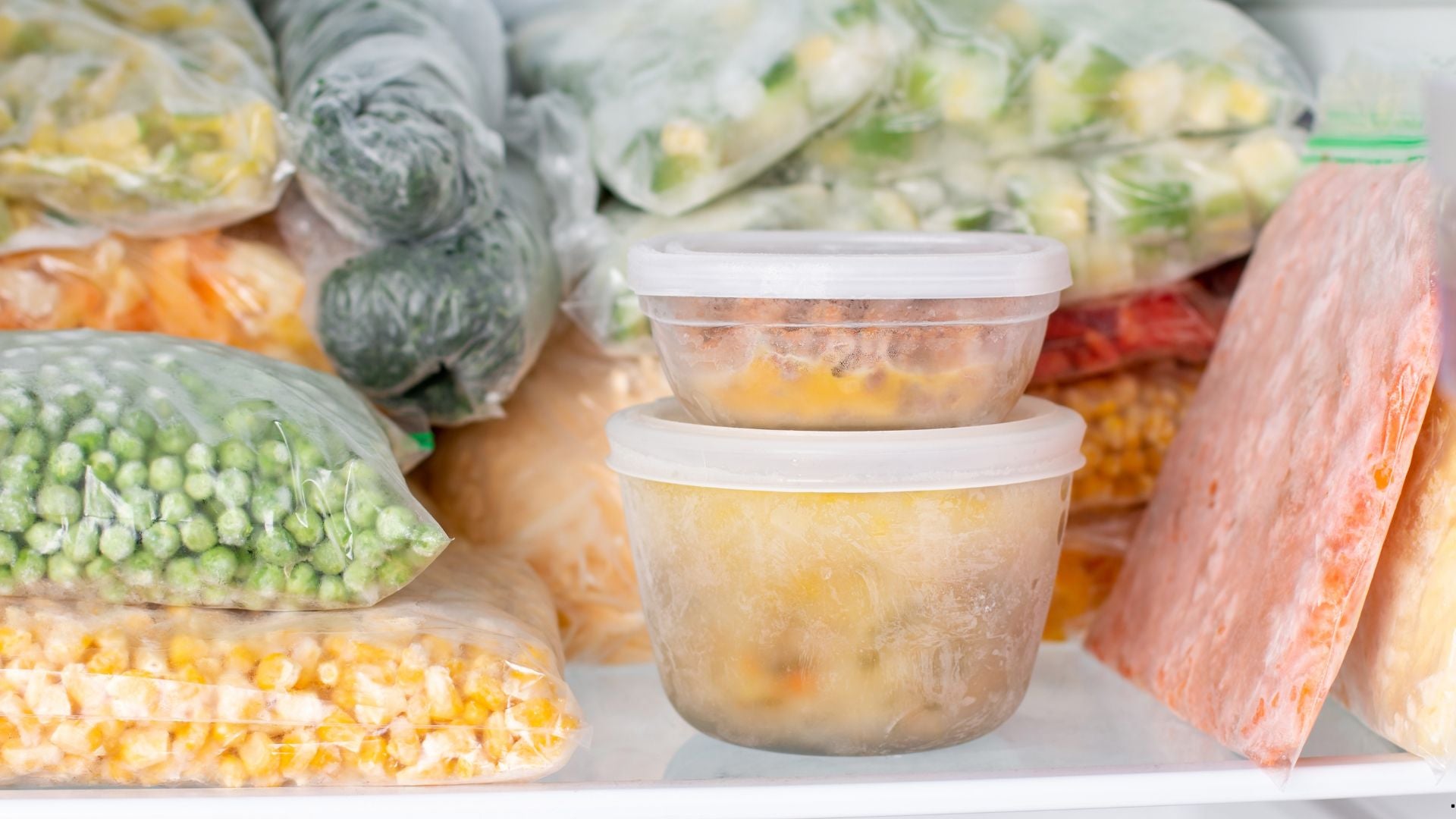
Imagine this: it’s July 2026, and a heatwave coupled with a failing power grid has left millions without electricity for three days. It's a scenario that, unfortunately, feels increasingly plausible. We're seeing more frequent and severe weather events, and infrastructure is struggling to keep pace. The immediate concern, beyond discomfort, is what happens to the food in your refrigerator and freezer. Food safety becomes a serious issue very quickly.
Refrigerators maintain safe temperatures for only about four hours without power, and a full freezer will hold its temperature for roughly 48 hours—but that’s under ideal conditions. A half-full freezer? Significantly less. After that, bacteria start to multiply, and foodborne illnesses become a real threat. The USDA provides food safety guidelines, but those assume you have options for quickly preserving or cooking food, which isn’t realistic during a prolonged outage.
I don't believe in panicking, but I do believe in having a plan. A few blocks of dry ice can save five hundred dollars' worth of steaks and prevent a week of food poisoning. It is a simple tool, but you have to handle it right or you'll end up with frostbite or a cracked cooler.
How dry ice actually works
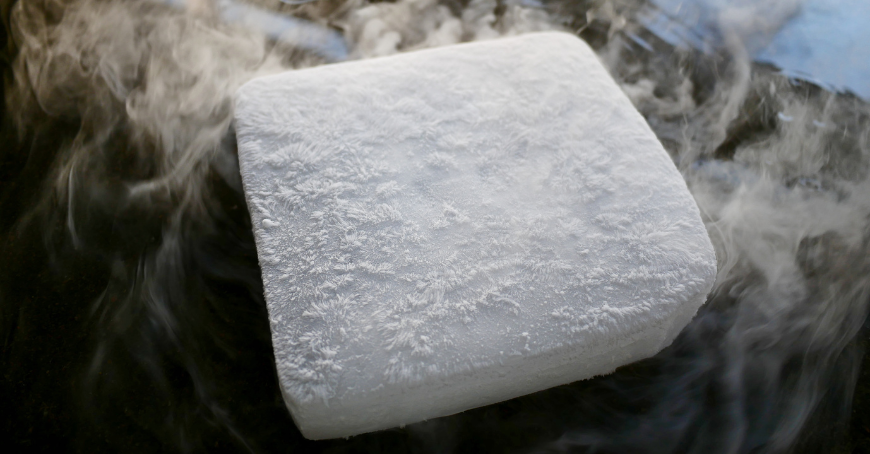
Dry ice isn’t simply a colder version of regular ice. It is frozen carbon dioxide – CO2. While water ice melts into a liquid, dry ice undergoes sublimation, meaning it transforms directly from a solid to a gas. This is why you’ll never find a puddle of water from melting dry ice.
This sublimation process is what makes dry ice so effective for keeping things cold. It maintains a temperature of -109.3°F (-78.5°C). That’s significantly colder than a standard freezer, allowing it to preserve food for longer periods. However, because it's turning into a gas, it doesn’t provide moisture, which can be an advantage for certain foods.
Florida International University published a safety guide that I keep bookmarked. Their main points are simple: keep a window open and never touch the ice with bare skin. It is cold enough to kill skin cells instantly.
How Long Will Dry Ice Keep Food Cold?
Determining how long dry ice will keep food cold is a surprisingly complex question. It depends on several factors, including the amount of dry ice used, the insulation of your cooler or container, the ambient temperature, and how full the space is. A tightly sealed, well-insulated cooler will, naturally, retain cold longer.
As a general guideline, 1 pound of dry ice will keep about 20-25 pounds of food frozen for 3-4 hours in a typical cooler. For a standard 10 cubic foot freezer, you’ll likely need 20-30 pounds of dry ice to maintain freezing temperatures for 24-48 hours, but this is a rough estimate. Remember, a partially full freezer will lose temperature much faster. Air is a poor insulator.
For a refrigerator, the amount of dry ice needed is less, but the timeframe is also shorter. Expect about 5-10 pounds of dry ice to keep a refrigerator cold for 12-24 hours. The more airtight your cooler or container, the better. Adding layers of insulation, like blankets or towels, can also extend the preservation time. It’s always better to overestimate the amount of dry ice you need than to underestimate it.
I've seen estimates suggesting that a well-packed cooler with a 1:5 ratio of dry ice to food can maintain freezing temperatures for up to 72 hours, but that relies on very specific conditions. Don’t depend on that; plan for the lower end of the estimates and have a backup plan if possible.
- Refrigerators: 5-10 pounds keeps things safe for about 18 hours.
- Freezers (10 cubic feet): 25 pounds should buy you two full days.
- Cooler (20-25 pounds food): 1 pound of dry ice for 3-4 hours
Where to buy dry ice before the storm hits
Finding dry ice isn’t always as simple as running to the grocery store. Supermarkets sometimes carry it, especially those with large meat or seafood departments, but availability can be inconsistent. Welding supply stores are a more reliable source, as they often use dry ice for various applications.
Ice cream manufacturers also frequently have dry ice, as it's used for keeping their products frozen during transportation. Some online retailers sell dry ice, but shipping can be expensive and complicated due to its sublimation rate. Local distributors are also an option, but they may require larger orders.
During a widespread emergency, demand for dry ice will surge, and supply chains may be disrupted. Ordering ahead when a storm is predicted is a smart move, but even then, there’s no guarantee. Having a backup plan – like knowing which stores are most likely to have it and having a route to get there – is essential. Don’t wait until the last minute.
Containers & Safe Handling Practices
You need a thick-walled cooler. Brands like ThermoSafe or Polar-Tech make foam shippers specifically for this. If you are buying a generic plastic cooler, make sure it isn't airtight or has a drain plug you can leave slightly cracked.
That pressure relief valve is vital. As dry ice sublimates, it releases carbon dioxide gas, which can build up pressure inside a sealed container and cause it to explode. The valve allows the gas to escape safely. Never seal dry ice in an airtight container without a pressure relief valve. It’s a serious safety hazard.
Direct contact with dry ice will cause severe frostbite. Always wear heavy gloves and eye protection when handling it. Avoid inhaling the carbon dioxide gas, as it can displace oxygen and cause asphyxiation. Work in a well-ventilated area. The FIU guidelines emphasize these precautions – they aren’t just suggestions.
When transporting dry ice in a vehicle, ensure it’s in a well-ventilated space, like the trunk or the bed of a truck. Don’t transport it in a closed passenger compartment. And remember, dry ice sublimates, so the amount you start with will be less than the amount you end with.
Best practices for different food types
Different foods require different approaches when using dry ice for preservation. Meat, poultry, and seafood benefit most from being kept frozen solid. Wrap them tightly in airtight containers or freezer bags to prevent freezer burn. Dairy products are also best frozen, but they can be more susceptible to texture changes upon thawing.
Fruits and vegetables can be preserved with dry ice, but the extremely cold temperature can damage some delicate produce. Root vegetables, like potatoes and carrots, generally hold up better than leafy greens. Consider blanching vegetables before freezing to help preserve their color and texture.
Some foods aren’t suitable for dry ice preservation. Anything with a high water content, like melons or cucumbers, can become mushy and unusable. Carbonated beverages can explode due to the pressure buildup from the carbon dioxide. And avoid storing flammable materials near dry ice.
Proper packaging is key. Minimize air exposure to prevent dehydration and freezer burn. Use airtight containers whenever possible, and consider double-wrapping sensitive items. Label everything clearly with the date it was frozen or preserved.
Dry Ice Disposal: What to Do When It’s Gone
When the dry ice has completely sublimated, there’s nothing left to dispose of. However, never attempt to dispose of dry ice in a sink, toilet, or any other drain. It can damage plumbing. Simply allow it to sublimate in a well-ventilated area, away from people and pets.
Avoid disposing of dry ice in enclosed spaces, as the carbon dioxide gas can displace oxygen and create a suffocation hazard. It's a simple process, but it requires awareness and responsibility. Ending the process safely is just as important as starting it correctly.



No comments yet. Be the first to share your thoughts!