

Managing logistics for large-scale cooling
Imagine you’re coordinating deliveries for a bustling meal kit service, or perhaps planning a music festival for ten thousand people. Keeping things cold – really cold – is a massive undertaking. In 2026, the pressure is on. Customers expect food to arrive perfectly chilled, and event attendees demand refreshing drinks, even in scorching weather. Both dry ice and traditional cooling methods like gel packs and water ice are in the mix, but the best choice isn’t always obvious.
For years, water ice and gel packs have been the go-to options, but they have limitations. They melt, they require drainage, and they don’t always provide the consistently low temperatures needed for certain applications. Dry ice, solid carbon dioxide, offers a much colder solution, but it comes with its own set of considerations. It’s not simply a matter of picking the cheapest option; it's about understanding the science, the logistics, and the evolving demands of both the food industry and the event planning world.
Modern insulated containers and new gel formulations have made temperature control more precise. Deciding between dry ice and traditional methods involves weighing the environmental impact against the need for consistent sub-zero temperatures.

How sublimation differs from melting
The fundamental difference between dry ice and water ice lies in their phase transitions. Water ice melts – changing from a solid to a liquid – absorbing heat in the process. Dry ice, however, sublimates. This means it transforms directly from a solid to a gas, skipping the liquid phase altogether. This sublimation process requires a significant amount of energy, resulting in a much colder temperature: dry ice is around -109.3°F (-78.5°C), while water ice is 32°F (0°C).
This difference in phase transition impacts how each medium cools. Heat transfer occurs through conduction (direct contact), convection (movement of fluids), and radiation (electromagnetic waves). Dry ice’s lower temperature drives faster and more effective heat transfer via all three methods. Because it doesn’t melt into a liquid, there’s no worry about items becoming waterlogged. This is particularly important for sensitive materials like electronics or certain types of packaging.
The "dry ice effect" – the visible fog – is a result of the cold carbon dioxide gas condensing moisture from the air. It's the same principle behind seeing your breath on a cold day. While visually striking, this fog isn’t the primary cooling mechanism. It's a byproduct of the sublimation process and can actually reduce the efficiency of cooling if it forms a layer of frost on the dry ice itself. It's also important to note that carbon dioxide gas displaces oxygen, which is why proper ventilation is crucial when working with dry ice.
Temperature standards for food delivery
The food delivery industry is a prime example of where temperature control is paramount. Different food types have different temperature requirements to maintain safety and quality. Raw meat and poultry need to stay below 40°F (4.4°C) to prevent bacterial growth, while frozen foods must remain at 0°F (-18°C) or below. Produce benefits from cooler temperatures to slow down ripening and maintain freshness. According to the USDA, the "danger zone" – between 40°F and 140°F (4.4°C and 60°C) – is where bacteria multiply rapidly.
Traditional cooling methods, like gel packs, can maintain temperatures within the safe range for a few hours, but their effectiveness diminishes over time. Dry ice, with its significantly lower temperature, can keep food frozen for much longer durations. A 10-pound block of dry ice can keep food frozen for 24 hours or more, depending on the insulation of the container and the ambient temperature. However, this advantage comes with increased cost and handling considerations.
Delivery services are increasingly using data analytics to optimize their cooling strategies. They’re tracking delivery times, ambient temperatures, and the type of food being transported to determine the appropriate amount of cooling needed. Some companies are even experimenting with smart packaging that monitors temperature and alerts drivers if there’s a problem. Maintaining food safety isn't just about quality; it's about legal liability. Improper temperature control can lead to foodborne illnesses and potential lawsuits.
- Raw meat and poultry must stay below 40°F (4.4°C).
- Frozen Foods: 0°F (-18°C) or below
- Produce: 32-40°F (0-4.4°C) for optimal freshness
Dry Ice vs. Traditional Ice for Food Delivery & Event Cooling - Performance Matrix
| Food Type | Delivery Distance | Temperature Sensitivity | Dry Ice | Traditional Ice |
|---|---|---|---|---|
| Frozen | Short (Under 30 minutes) | High | Good | Good |
| Frozen | Medium (30-60 minutes) | High | Good | Okay |
| Frozen | Long (Over 60 minutes) | High | Good | Poor |
| Refrigerated | Short (Under 30 minutes) | Medium | Good | Good |
| Refrigerated | Medium (30-60 minutes) | Medium | Okay | Okay |
| Refrigerated | Long (Over 60 minutes) | Medium | Okay | Poor |
| Ambient (Room Temperature) | Short (Under 30 minutes) | Low | Okay | Poor |
| Ambient (Room Temperature) | Medium (30-60 minutes) | Low | Poor | Poor |
Illustrative comparison based on the article research brief. Verify current pricing, limits, and product details in the official docs before relying on it.
Cooling for events and festivals
Events, from small weddings to massive music festivals, present unique cooling challenges. Beyond keeping beverages cold, event planners need to consider food buffets, potentially even cooling systems for performers or sensitive equipment. Traditional coolers filled with ice are common, but they can be bulky, messy, and require frequent replenishment. Dry ice offers more efficient and versatile cooling options.
Dry ice isn’t just about keeping things cold; it can also be used for creative effects. The fog produced by sublimating dry ice is a popular choice for stage productions, creating a dramatic atmosphere. It can also be used to create visually appealing displays, such as bubbling "potions" for themed events. However, using dry ice for effects requires careful planning and adherence to safety regulations.
Logistically, dry ice at large events requires careful handling and storage. It needs to be kept in well-ventilated areas, and staff must be trained on proper handling procedures. Disposing of unused dry ice also needs to be done responsibly, allowing it to sublimate in a safe, open space. The cost can be higher than traditional ice, but the benefits – longer cooling duration, creative possibilities, and reduced mess – can outweigh the expense.
Safety First: Handling Dry Ice
Dry ice is incredibly useful, but it's also potentially dangerous if handled improperly. The extremely cold temperature can cause severe frostbite upon contact with skin. Always wear insulated gloves and eye protection when handling dry ice. Never touch dry ice with bare hands. Asphyxiation is another serious risk. As dry ice sublimates, it releases carbon dioxide gas, which can displace oxygen and lead to suffocation in enclosed spaces. Ensure adequate ventilation whenever dry ice is used.
Containers used to store dry ice must be specifically designed for that purpose. Never seal dry ice in an airtight container, as the sublimating gas can build up pressure and cause the container to explode. Use a well-insulated container with a loose-fitting lid to allow the gas to escape. Dispose of dry ice responsibly by allowing it to sublimate in a well-ventilated area. Do not dispose of it in a drain or toilet, as it can damage plumbing.
In case of dry ice exposure, immediately remove the affected area and seek medical attention. For skin contact, warm the area with lukewarm water (not hot) and cover with a sterile bandage. If someone inhales dry ice fumes and experiences difficulty breathing, move them to fresh air and call emergency services. For more detailed safety information, consult resources like the New York State Department of Health (health.ny.gov) and Cornell University's Environment, Health & Safety department (ehs.cornell.edu).
- Wear insulated gloves and eye protection at all times.
- Ensure adequate ventilation.
- Never seal dry ice in an airtight container.
- Dispose of dry ice responsibly in a well-ventilated area.
Comparing costs of dry ice and water ice
Determining which cooling method is cheaper – dry ice or traditional ice – isn't straightforward. The initial cost of dry ice is typically higher. As of late 2026, a 10-pound block of dry ice can range from $20 to $40, depending on location and supplier. Traditional ice, on the other hand, is significantly less expensive, often around $2 to $5 for a 20-pound bag. However, the total cost needs to consider more than just the price of the cooling medium.
Insulated containers play a crucial role. High-quality coolers can significantly extend the cooling duration of both dry ice and traditional ice, potentially reducing the amount of cooling medium needed. The cost of these containers can range from $50 for a basic cooler to $200 or more for a premium, high-performance model. Furthermore, the potential cost of spoilage due to inadequate cooling must be factored in. If food spoils, the cost of replacement far outweighs the savings from using cheaper cooling.
In many cases, dry ice can be more cost-effective in the long run, especially for long-distance transport or applications requiring extended cooling. While the upfront cost is higher, the longer cooling duration and reduced risk of spoilage can result in overall savings. Bulk purchasing options can also help to lower the cost of dry ice, especially for businesses that use it frequently.
New materials and efficiency
The future of cooling is focused on sustainability and efficiency. Phase change materials (PCMs) are gaining traction as a reusable and environmentally friendly alternative to traditional ice and dry ice. These materials absorb and release heat as they change phase, providing consistent cooling over extended periods. Reusable cooling packs with improved insulation are also becoming more common, offering a convenient and cost-effective solution.
Beyond these incremental improvements, there’s ongoing research into new methods of carbon dioxide capture and utilization. Some companies are exploring ways to capture carbon dioxide from industrial sources and convert it into useful products, potentially creating a closed-loop system for dry ice production. These advancements could significantly reduce the environmental impact of cooling and make dry ice a more sustainable option.
As technology continues to evolve, we can expect to see even more innovative cooling solutions emerge. Data analytics will play an increasingly important role in optimizing cooling strategies, and smart packaging will provide real-time temperature monitoring and alerts. The goal is to deliver safe, efficient, and sustainable cooling solutions for the food industry, event planning, and beyond.
Essential Gear for Dry Ice and Traditional Cooling Solutions

100-quart capacity · Wheels for portability · Keeps ice up to 5 days
This large-capacity rolling cooler offers extended ice retention, making it a robust option for traditional cooling needs in food delivery and event planning.

Durable hard shell construction · Enhanced insulation for extended cooling · Integrated fish measuring stick
The Igloo BMX Cooler provides durable, insulated storage for maintaining cold temperatures, suitable for various food delivery and event scenarios.

Maintains freezer-like temperatures · 5° Fahrenheit cooling point · Reusable ice pack
This reusable ice pack is engineered to achieve and maintain sub-zero temperatures, offering a powerful alternative to traditional ice for preserving food during transport.
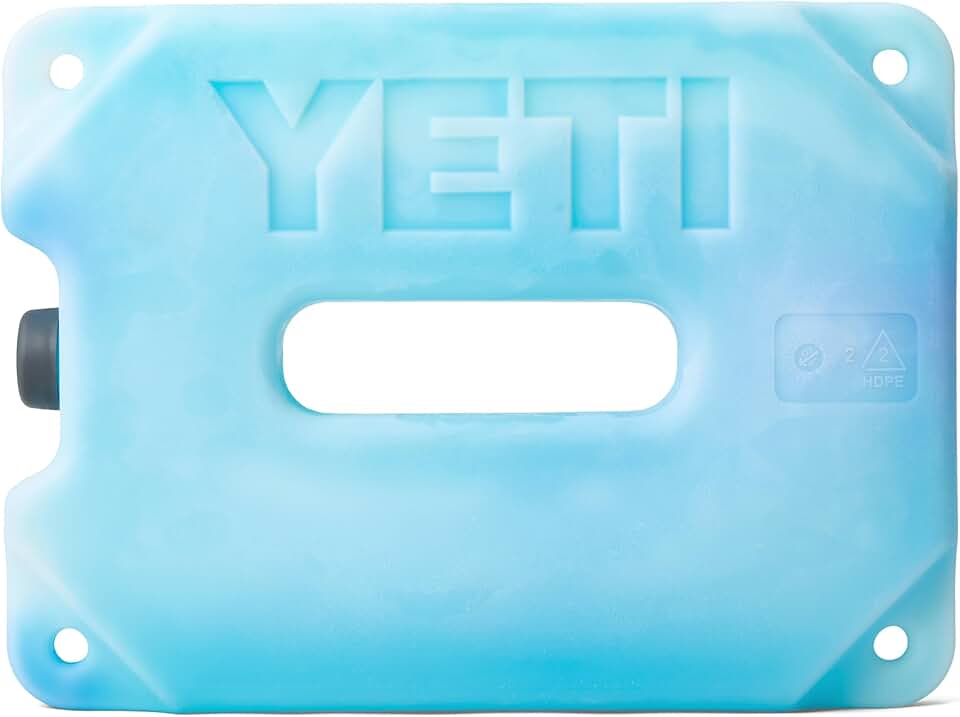
Refreezable and reusable · Designed for long-lasting cold · Durable construction
The YETI ICE block provides a reliable, long-lasting cooling solution that can be refrozen and reused, ideal for consistent temperature control in coolers.

Monitors temperature and humidity · Bluetooth connectivity for remote monitoring · Records maximum and minimum values
This dual pack of hygrometer thermometers allows for precise monitoring of both temperature and humidity within coolers or storage areas, ensuring optimal conditions for sensitive items.
As an Amazon Associate I earn from qualifying purchases. Prices may vary.




No comments yet. Be the first to share your thoughts!