

The Real Cost of Keeping Cool: An Introduction to Dry Ice and Traditional Methods
Imagine you're planning a cross-country road trip with perishable groceries, or maybe you're a researcher needing to transport temperature-sensitive samples. Keeping things cold is essential, and you’ve got options. Dry ice and traditional cooling methods – refrigerators, coolers with ice – both aim to do the same thing, but their costs can vary wildly. This isn’t just about the initial price tag; it's about the whole picture.
This guide aims to break down the complete cost of keeping things cold in 2026. We’ll look beyond the initial purchase price to consider factors like handling, potential loss due to sublimation or melting, the suitability of each method for different situations, and even the regulatory hurdles involved. Our goal is to give you the information you need to make the right choice, not necessarily the cheapest one.
Too often, people simply grab the most convenient option without thinking through the long-term expenses or potential risks. A seemingly inexpensive bag of ice can become costly if it melts and spoils your goods. Similarly, the convenience of dry ice can be offset by its rapid sublimation and the need for specialized handling.
We’ll cover everything from sourcing dry ice and the price of electricity for your refrigerator to the often-overlooked costs of proper disposal. By the end, you’ll have a clear understanding of which cooling method makes the most financial sense for your specific needs, and how to avoid hidden expenses.
Dry Ice: Upfront Costs, Sourcing, and Availability in 2026
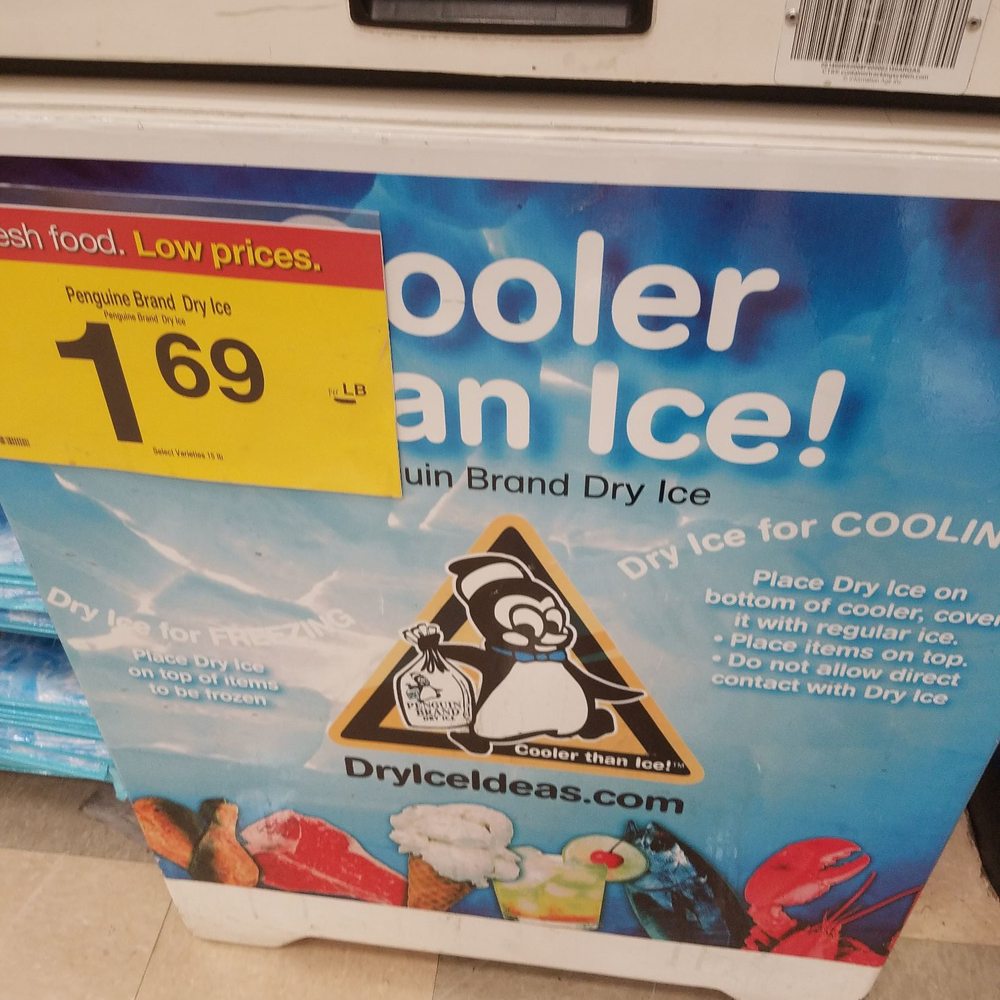
The cost of dry ice fluctuates depending on location, quantity, and supplier. As of late 2023, a 10-pound bag of dry ice typically costs between $20 and $30, but this can easily rise to $40 or more in areas with limited supply. Penguin Brand Dry Ice is a readily available option, found in over 5,000 grocery stores nationally, making it a convenient choice for many. However, availability isn't uniform across the country.
Finding dry ice can be surprisingly difficult in some regions. Supply chain issues and localized production limitations mean that some stores may frequently be out of stock, especially during peak demand periods like holidays or severe weather events. It’s always a good idea to call ahead to confirm availability before making a trip. Penguin Brand’s website offers a store locator tool to help you find nearby retailers: https://penguindryice.com/find-dry-ice-near-you/.
Beyond the cost of the dry ice itself, you’ll need to factor in the cost of safety equipment. Handling dry ice with bare hands can cause severe frostbite, so you'll need to purchase insulated gloves – typically around $15-$30 a pair – and a well-insulated container to prevent rapid sublimation. A good quality cooler designed for dry ice can cost anywhere from $50 to $200, depending on its size and insulation properties. Amazon currently lists a 40 lb. block of Praxair Dry Ice Pellets for around $65, but shipping costs will add to that.
The price per pound generally decreases when you buy in larger quantities. A 40-pound block will usually be cheaper per pound than several 10-pound bags, but you also need to consider whether you can use that much dry ice before it sublimates. Remember, dry ice isn't meant for long-term storage; it’s best suited for short-term cooling needs.
Traditional Cooling: Refrigerators, Coolers, and Ice – A Cost Breakdown
Traditional cooling presents a more diverse range of costs. Refrigerators, obviously, represent the largest upfront investment. A basic, energy-efficient refrigerator can cost anywhere from $500 to $1,500, while a high-end model with advanced features can easily exceed $3,000. Then there’s the ongoing cost of electricity. According to the U.S. Energy Information Administration, the average household spends around $1,368 per year on electricity as of February 2024, and a significant portion of that goes to running the refrigerator.
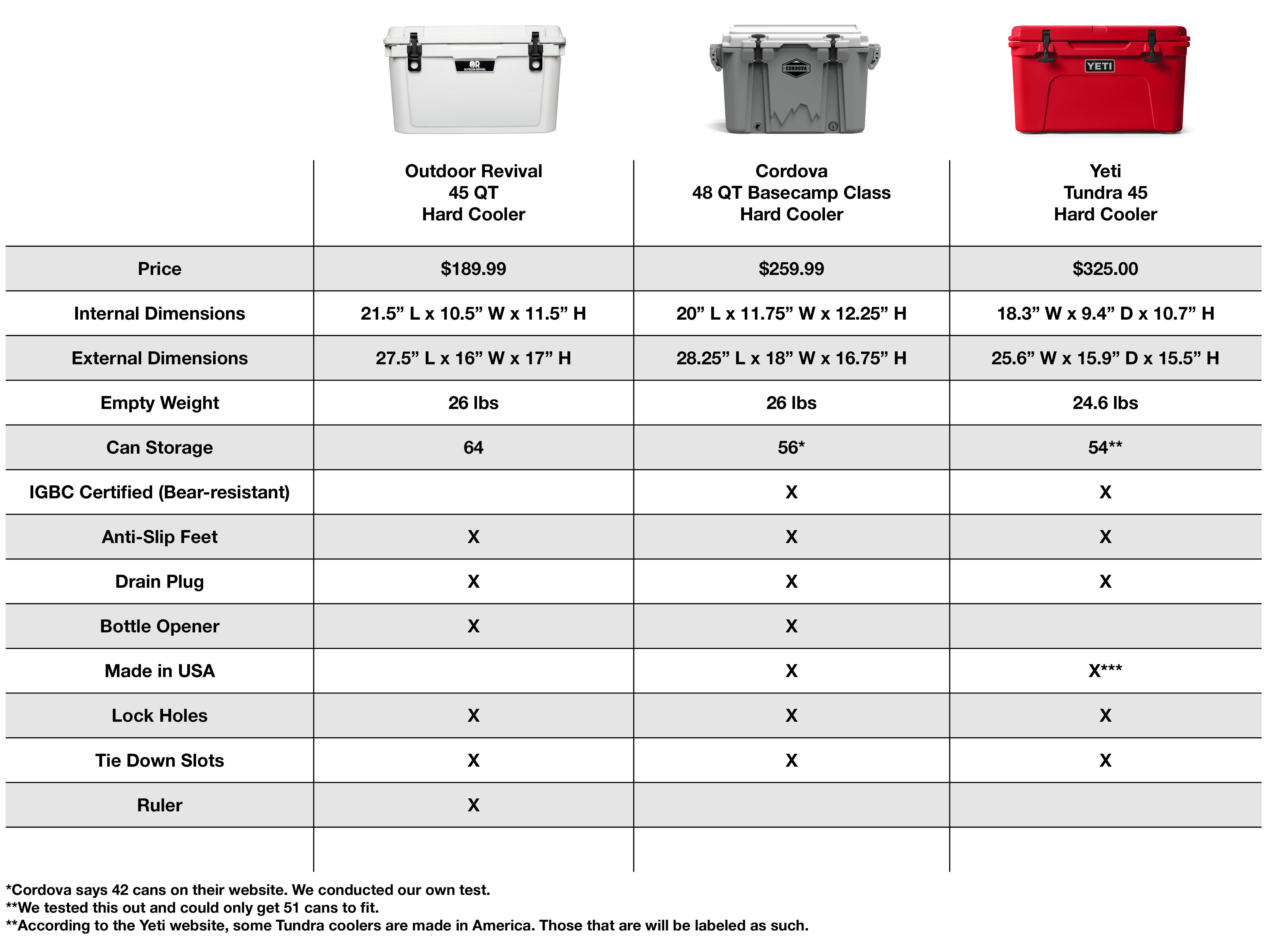
Coolers, on the other hand, are considerably cheaper to purchase. A basic cooler can be had for as little as $20, but these models typically offer minimal insulation and won’t keep items cold for very long. A higher-quality cooler with better insulation can cost between $50 and $200, and a premium rotomolded cooler – like those from Yeti or RTIC – can easily set you back $300 or more. These premium coolers are durable and offer excellent ice retention, but they come with a hefty price tag.
The cost of ice is a recurring expense. A 20-pound bag of ice typically costs between $3 and $5, depending on location and vendor. Commercial ice, often used for large events, can be more expensive. Ice melts, requiring frequent replenishment, and the resulting water can be messy and potentially damage sensitive items. The lifespan of a cooler is also a factor; a cheap cooler may only last a season or two, while a well-maintained premium cooler can last for years.
Repair costs should also be factored in. Refrigerators, being complex appliances, are prone to breakdowns and can be expensive to repair. Coolers, while simpler, can still suffer damage – cracks, broken latches, etc. – requiring replacement. The total cost of ownership extends far beyond the initial purchase price, and it’s important to consider these hidden expenses when comparing traditional cooling methods to dry ice.
Cooling Method Comparison: Cost & Practicality - 2026
| Upfront Cost | Ongoing Cost | Temperature Control | Portability | Safety Concerns | Environmental Impact |
|---|---|---|---|---|---|
| Higher | Low (electricity bill) | Excellent, consistent | Limited – requires power outlet | Generally Low – risk of electrical hazards | Moderate – refrigerant gases can contribute to greenhouse effect if leaked |
| Lower | Moderate (ice replacement) | Good, but fluctuates with ice melt | High – easily moved | Low – potential for slips from melting ice | Low - water runoff is generally harmless |
| Moderate | High (dry ice purchase) | Very Cold, rapid cooling | High – requires careful handling | High – risk of burns, asphyxiation in enclosed spaces | Moderate – CO2 is a greenhouse gas, but sublimates without a net increase in atmospheric CO2 |
| Low | Low (ice replacement) | Moderate, less consistent than refrigerators | High – easily moved | Low – potential for slips from melting ice | Low - water runoff is generally harmless |
| Higher | Low (electricity bill) | Precise, adjustable | Limited, requires power | Generally Low – electrical hazards | Moderate – refrigerant impact |
Qualitative comparison based on the article research brief. Confirm current product details in the official docs before making implementation choices.
The Hidden Costs: Sublimation, Spoilage, and Handling
Sublimation is the primary hidden cost of dry ice. Because it turns directly into gas, you lose roughly 5 to 10 pounds every 24 hours in a standard cooler. A typical sublimation rate is around 5-10 pounds per 24 hours in a standard cooler, but this can vary depending on the insulation quality, ambient temperature, and how tightly sealed the container is. This loss needs to be factored into your cost calculations.
Traditional ice faces a similar problem: melting. Melted ice doesn’t just disappear; it creates water, which can damage sensitive items and potentially lead to spoilage. Properly draining the water is essential, but it’s also an added hassle. The Cornell EHS tip sheet emphasizes the importance of proper ventilation when using dry ice, as the carbon dioxide gas can displace oxygen and create a hazardous environment. Proper disposal is also a cost – you can’t simply dump dry ice down the drain.
Refrigerators, while seemingly more stable, require a constant energy supply. Power outages can compromise the cooling process, potentially leading to food spoilage. The cost of electricity adds up over time, and older, less efficient refrigerators consume significantly more energy than newer models. Considering the environmental impact of electricity generation is also a hidden cost, albeit an indirect one.
Proper disposal of both dry ice and melted ice also carries a cost, whether it's the time and effort involved in finding a suitable disposal site or the fee charged by a waste management facility. Failing to dispose of dry ice properly can also lead to environmental concerns and potential fines. These seemingly small costs can quickly add up, especially for frequent users.
Shipping with Cold: Dry Ice vs. Traditional Ice and Regulations
When it comes to shipping perishable goods, the stakes are higher. The U.S. Department of Transportation has strict regulations regarding the shipment of dry ice and traditional ice, designed to ensure safety and prevent accidents. Dry ice is classified as a hazardous material and is subject to specific labeling, packaging, and quantity limitations. Failure to comply with these regulations can result in hefty fines and delays.
The Department of Transportation requires dry ice shipments to be labeled as 'Dry Ice' or 'Carbon Dioxide, Solid' (UN1845). Packages must also allow for the release of gas to prevent pressure buildup. include the net weight of the dry ice. The package must also be leakproof and designed to allow for the release of carbon dioxide gas to prevent pressure buildup. There are limits on the total amount of dry ice that can be included in a single package, depending on the packaging type.
Traditional ice shipments also have regulations, although they are generally less stringent than those for dry ice. The primary concern is preventing leaks and ensuring that the package is adequately sealed to prevent water damage. However, the risk of spoilage is significantly higher with traditional ice, especially for long-distance shipments. Many carriers require dry ice for certain types of temperature-sensitive shipments, such as biological samples or pharmaceuticals.
The cost of compliant packaging can add significantly to the overall shipping expense. Specialized insulated containers, absorbent materials, and warning labels all contribute to the total cost. It's crucial to research the specific requirements of the carrier and ensure that your package meets all applicable regulations to avoid delays, fines, and potential damage to your goods.
Use Case Scenarios: When Does Dry Ice Win (and When Does It Lose)?
Let's look at some specific scenarios. For a simple picnic, keeping food cold for a few hours, a high-quality cooler with ice is likely the most cost-effective solution. The initial investment in the cooler is reasonable, and the cost of ice is relatively low. However, for a multi-day camping trip, where reliable cooling is essential, dry ice might be a better choice, despite the higher upfront cost. It lasts longer and doesn't create a messy puddle of water.
Consider the case of shipping a 5kg medical sample 500 miles. Dry ice, while more expensive initially (around $50-$75 including packaging and labeling), offers a much lower risk of spoilage compared to traditional ice. The cost of losing a temperature-sensitive medical sample could be far greater than the extra expense of dry ice. Traditional ice, in this scenario, might cost $30-$40 but carries a 10-15% risk of spoilage, potentially rendering the sample unusable.
For preserving a science experiment requiring extremely low temperatures for a short duration, dry ice is virtually unmatched. Refrigerators and coolers simply can’t reach the temperatures achievable with dry ice. However, for keeping vaccines cold during a prolonged power outage, a generator-powered refrigerator is a more reliable and cost-effective solution than constantly replenishing dry ice.
If you are frequently shipping perishable goods, the cost of dry ice and compliant packaging adds up. In these cases, investing in a temperature-controlled shipping container might be a more sustainable and cost-effective long-term solution. The best choice always depends on a careful assessment of the specific requirements of the situation, considering factors like duration, temperature sensitivity, distance, and regulatory compliance.
Beyond Cost: Environmental Impact and Sustainability
The environmental impact of both dry ice and traditional cooling is a growing concern. Dry ice is carbon dioxide, a greenhouse gas, and its sublimation contributes to atmospheric CO2 levels. While the CO2 released is often a byproduct of other industrial processes, its contribution to climate change cannot be ignored. However, traditional refrigeration relies on electricity, which may be generated from fossil fuels, also contributing to greenhouse gas emissions.
The refrigerants used in traditional refrigerators have historically been potent greenhouse gases, although newer, more environmentally friendly refrigerants are becoming increasingly common. The production and disposal of refrigerators also have environmental impacts, including the use of energy and resources, and the potential for releasing harmful substances. The lifecycle assessment of each cooling method is complex.
There are efforts to develop more sustainable alternatives to both dry ice and traditional refrigeration. These include exploring alternative refrigerants with lower global warming potential, improving the energy efficiency of refrigerators, and developing more efficient and sustainable packaging materials. Carbon capture and storage technologies could potentially mitigate the environmental impact of dry ice production, but these technologies are still under development.
Ultimately, the most sustainable option depends on a variety of factors, including the energy source used to power the refrigerator, the efficiency of the cooling system, and the responsible disposal of both dry ice and traditional ice. Being informed about these environmental considerations is crucial for making responsible choices and minimizing our impact on the planet.
Content is being updated. Check back soon.


No comments yet. Be the first to share your thoughts!