

How dry ice actually works
Keeping things cold seems simple enough, but the methods we use to achieve that vary wildly. Dry ice, scientifically known as solid carbon dioxide, is a fascinating option. It’s not just about low temperatures; it’s about how those temperatures are reached. Unlike water ice which melts, dry ice sublimates – transitioning directly from a solid to a gas. This means no messy puddles, but it also requires careful handling and storage. It typically maintains a temperature of -109.3°F (-78.5°C).
Compared to traditional cooling like standard ice, gel packs, or even your refrigerator, dry ice offers a significantly colder temperature. Ice, at 32°F (0°C), is great for beverages, but inadequate for many scientific or long-term preservation needs. Gel packs fall somewhere in between, often relying on phase-change materials to maintain a consistent, though not extremely low, temperature. Mechanical refrigeration, of course, offers precise temperature control but consumes energy and relies on refrigerants with their own environmental considerations.
The applications are diverse. You’ll find dry ice used to ship temperature-sensitive food items, preserve biological samples for medical research, and even in theatrical fog machines. It’s a staple for some special effects professionals. Beyond those common uses, it’s surprisingly effective for things like removing dents from car panels (a bit of a niche application, admittedly) and even for wine making. It’s a versatile substance, but it's not always the most practical or economical choice.
The 2026 price forecast
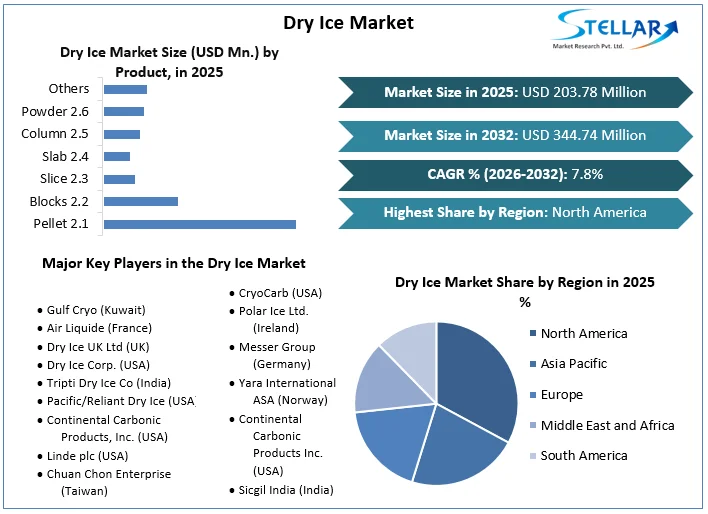
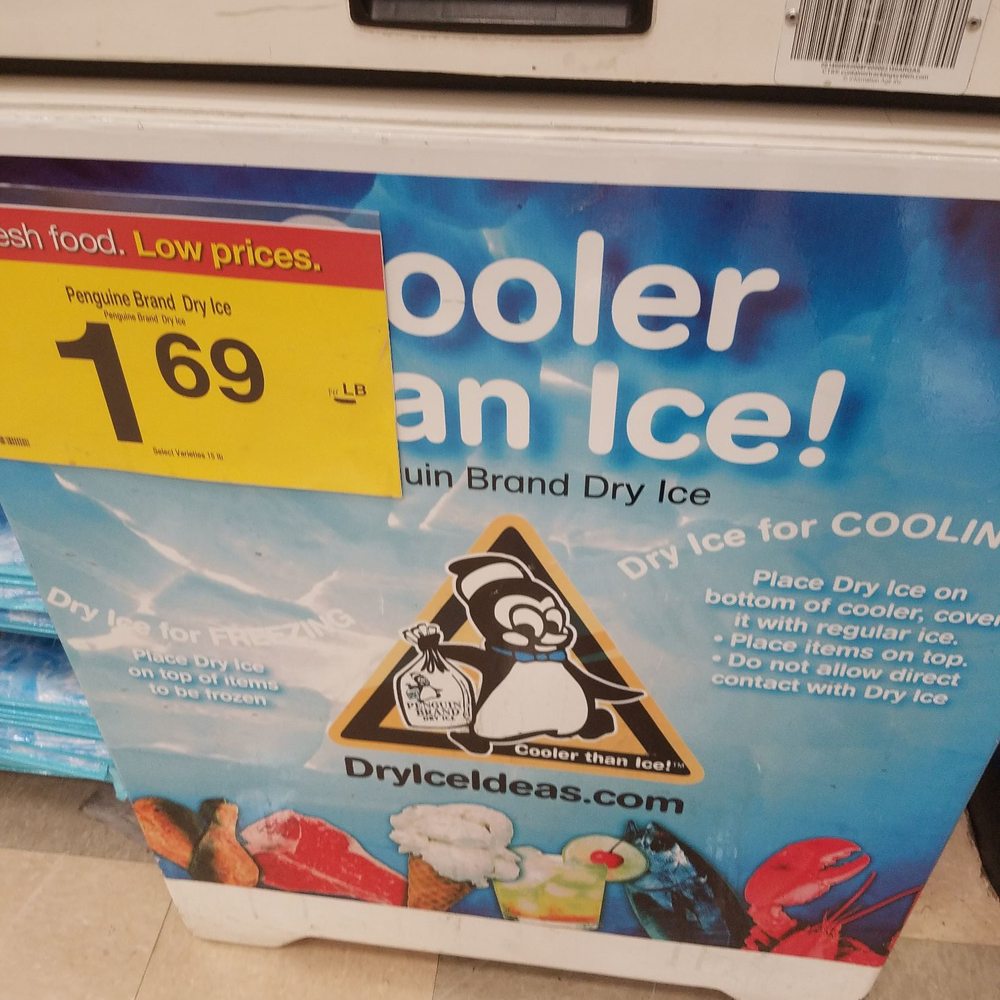
Let’s talk money. As of late 2024, the cost of dry ice fluctuates, but generally hovers around $2 to $3 per pound, depending on your location and the supplier. Prices tend to spike during periods of high demand, like around holidays or during extreme weather events. I’d expect a steady, albeit potentially small, increase in price over the next two years, likely landing somewhere in the $2.50 to $3.50 per pound range by 2026.
Beyond the initial purchase price, you need to consider storage. Thankfully, dry ice doesn't require specialized refrigeration—a well-insulated cooler is sufficient. However, sublimation is a constant factor. Roughly 5-10% of dry ice will sublimate every 24 hours, even in a good cooler. This means you’re essentially paying for something that’s slowly disappearing, so calculating how much you need is crucial. Ordering slightly more than you think you’ll need is often a good strategy.
Bulk discounts can significantly lower the per-pound cost. Suppliers like Airgas and Praxair (now Linde) offer tiered pricing for larger orders. For example, a purchase of 100 pounds might drop the price to around $2.00 per pound, whereas a 10-pound purchase might remain closer to $3.00. Sourcing locally is also important—transporting dry ice over long distances adds both cost and contributes to its sublimation rate. The availability of suppliers will also vary significantly by region.
It’s difficult to predict precise costs two years out, especially with energy prices being so volatile. But assuming a moderate increase in energy costs and continued demand, I'd estimate the 2026 cost to be between $2.75 and $3.75 per pound, leaning towards the higher end if there are major supply chain disruptions.
Traditional Cooling: Costs & Considerations
Let's look at the competition. Standard ice is, upfront, the cheapest option, typically costing around $1 to $2 per bag (depending on size and location). However, ice melts, creating water and rendering it useless. Gel packs, while reusable, have an initial purchase cost of around $5 to $15 per pack, depending on size and quality. They also degrade over time, losing their cooling capacity and eventually needing replacement.
Mechanical refrigeration – refrigerators and freezers – represents a significant upfront investment. A basic refrigerator can cost anywhere from $500 to $2000, while a freezer can range from $300 to $1500. But the ongoing cost isn’t just the purchase price. Electricity consumption is a major factor, and those bills add up quickly. According to the Energy Information Administration (EIA), the average U.S. household spends over $500 annually on electricity, a substantial portion of which goes towards refrigeration.
Lifespan is also a key consideration. Ice needs constant replenishing. Gel packs need replacing every few years. Refrigerators and freezers have a lifespan of around 10-15 years, after which they need to be replaced—and disposed of, creating electronic waste. While traditional methods often appear cheaper initially, the cumulative cost over time can be surprisingly high. You’re constantly buying more ice, replacing gel packs, or paying the electricity bill for your refrigerator.
The carbon footprint reality
This is where the discussion gets complex. Dry ice is solid carbon dioxide (CO2), a greenhouse gas. When it sublimates, it releases CO2 into the atmosphere, contributing to climate change. However, the CO2 released is often sourced from industrial processes—like cement production—where it would otherwise be vented into the atmosphere anyway. Capturing and solidifying this CO2 as dry ice can be seen as a form of carbon utilization, though it's not a complete solution.
Traditional cooling methods aren’t without their environmental drawbacks. Refrigerators and freezers use electricity, often generated from fossil fuels. Even if the electricity comes from renewable sources, the manufacturing process of the appliance itself has a carbon footprint. Gel packs, typically made from plastic, contribute to plastic waste, and their disposal can be problematic.
The DOT and FAA regulate how much dry ice you can put on a plane because it can build up pressure in airtight containers. You need vented packaging and specific Class 9 hazard labels for anything over 5.5 pounds.
Comparing the carbon footprint of a freezer to a block of dry ice is messy. One relies on the local power grid, while the other is a byproduct of ammonia or ethanol plants. I don't think dry ice is the villain here, especially since it's often captured from industrial exhaust that was going into the air anyway.
Environmental Impact Comparison: Dry Ice, Ice, and Gel Packs (Projected to 2026)
| Cooling Method | Carbon Emissions | Material Waste | Energy Consumption | Recyclability | Transportation Impact |
|---|---|---|---|---|---|
| Dry Ice | Medium to High (Production process) | Medium (Limited reuse potential) | High (Requires significant energy for production) | Low (Does not readily recycle) | Medium (Requires specific handling & DOT regulations) |
| Traditional Ice | Low (Primarily water phase change) | Low (Water source dependent, generally minimal waste) | Low to Medium (Freezer energy use) | High (Water is naturally recyclable) | Low (Standard transport, minimal regulations) |
| Gel Packs | Low to Medium (Manufacturing & gel composition) | Medium to High (Plastic packaging, non-biodegradable gel) | Medium (Freezer energy use) | Low (Limited recyclability of plastic, gel is not recyclable) | Low (Standard transport, minimal regulations) |
| Reusable Gel Packs | Low (Initial manufacturing impact) | Low (Designed for multiple uses, reducing waste) | Medium (Freezer energy use) | Medium (Plastic material recyclability varies) | Low (Standard transport) |
| Phase Change Materials (PCMs) | Medium (Production of specialized materials) | Medium (Material dependent, some PCMs are more sustainable) | Medium (Energy for phase change & potential pre-cooling) | Varies (Some PCMs are recyclable, others are not) | Low to Medium (Depending on PCM weight and volume) |
Illustrative comparison based on the article research brief. Verify current pricing, limits, and product details in the official docs before relying on it.
Specific Use Cases: Where Dry Ice Shines
While traditional cooling methods are adequate for many tasks, dry ice excels in specific applications where extremely low temperatures are required. Flash freezing, for example, is ideal for preserving food quality and texture. Dry ice’s rapid cooling prevents large ice crystals from forming, minimizing cellular damage. This is particularly important for preserving delicate foods like berries or seafood.
The theatrical industry relies heavily on dry ice to create fog effects. When dry ice is added to warm water, it sublimates, producing a dense, white fog that’s perfect for stage productions and special events. It’s a safe and effective alternative to traditional fog machines, which often use chemicals.
In scientific research, dry ice is used to preserve biological samples, store reagents, and cool reaction mixtures. Its extremely low temperature ensures the integrity of the samples and prevents unwanted chemical reactions. It's also surprisingly effective for removing dents from car panels – the extreme cold causes the metal to contract, potentially popping the dent back into place (though this method isn't foolproof!).
Beyond these common uses, dry ice finds applications in everything from wine making (to control fermentation) to archaeological digs (to preserve delicate artifacts). It’s a versatile tool with a wide range of applications where maintaining extremely low temperatures is paramount.
- Flash freezing food
- Creating fog effects
- Preserving biological samples
- Popping car dents by contracting the metal
What's changing in cooling tech
The future of cooling is likely to involve a combination of improved technologies and a greater focus on sustainability. Research into alternative refrigerants with lower global warming potential is ongoing. Hydrofluoroolefins (HFOs), for example, are being explored as replacements for traditional hydrofluorocarbons (HFCs).
Innovations in packaging materials are also promising. More efficient insulated containers could reduce the amount of dry ice needed for shipping, minimizing both cost and environmental impact. The development of reusable cooling systems that don’t rely on disposable materials is another area of active research.
Perhaps the most significant development could be advancements in carbon capture technologies. If CO2 can be captured directly from the atmosphere and efficiently converted into dry ice, it could transform dry ice from a contributor to climate change into a carbon sink. This is a challenging but potentially transformative technology.
Ultimately, the choice between dry ice and traditional cooling methods will continue to depend on specific needs and priorities. However, as technology evolves and environmental concerns grow, we can expect to see a shift towards more sustainable and efficient cooling solutions. The focus will likely be on minimizing waste, reducing energy consumption, and utilizing captured carbon whenever possible.
Essential Dry Ice Handling & Safety Gear for Your Cooling Needs

Collapsible and foldable design for easy storage and portability · Insulated foam construction for temperature retention · Lightweight and waterproof material
This cooler offers a portable and lightweight solution for traditional ice cooling needs, serving as a baseline for comparison in the cost analysis.

Designed specifically for dry ice storage · Insulated container to maintain extremely low temperatures · 30-liter capacity
This specialized container is crucial for safely and effectively storing dry ice, enabling its use in various applications discussed in the article.

Cryogenic protection for extreme cold temperatures · Mid-arm length for extended coverage · Suitable for handling liquid nitrogen and dry ice
These gloves provide essential personal protective equipment for safely handling dry ice, mitigating risks associated with extreme cold.

Durable stainless steel construction · 7.1-inch length for easy handling · Designed for gripping ice
A simple yet effective tool for safely and hygienically handling ice, including dry ice, during transfer and use.

ANSI Z87.1 certified protective eyewear · Anti-fog and scratch-resistant lenses · 100% UV resistant with adjustable fit
These safety glasses are vital for protecting eyes from potential hazards when working with dry ice, ensuring user safety during handling and application.
As an Amazon Associate I earn from qualifying purchases. Prices may vary.

No comments yet. Be the first to share your thoughts!