

Dry Ice Now: Where We Stand
Finding dry ice today can be more challenging than in years past. Demand has steadily increased with its growing use in everything from food preservation to special effects, and occasional supply chain hiccups have made consistent availability difficult. Dry ice isn't scarce overall, but locating it locally can require more effort. There have been periods where carbon dioxide—a byproduct of industrial processes and the source of dry ice—was temporarily less available, impacting production.
This guide helps you navigate those challenges and pinpoint where to buy dry ice near you. Stock levels can change rapidly. A store listed as having dry ice this morning might be sold out by this afternoon. The goal isn't to guarantee availability at every location, but to provide the best resources to find it. Calling ahead is recommended.
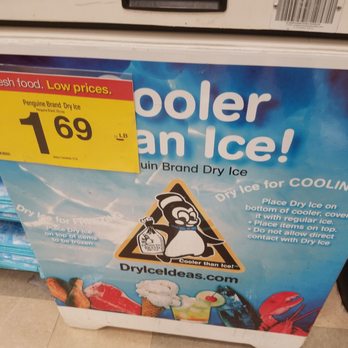
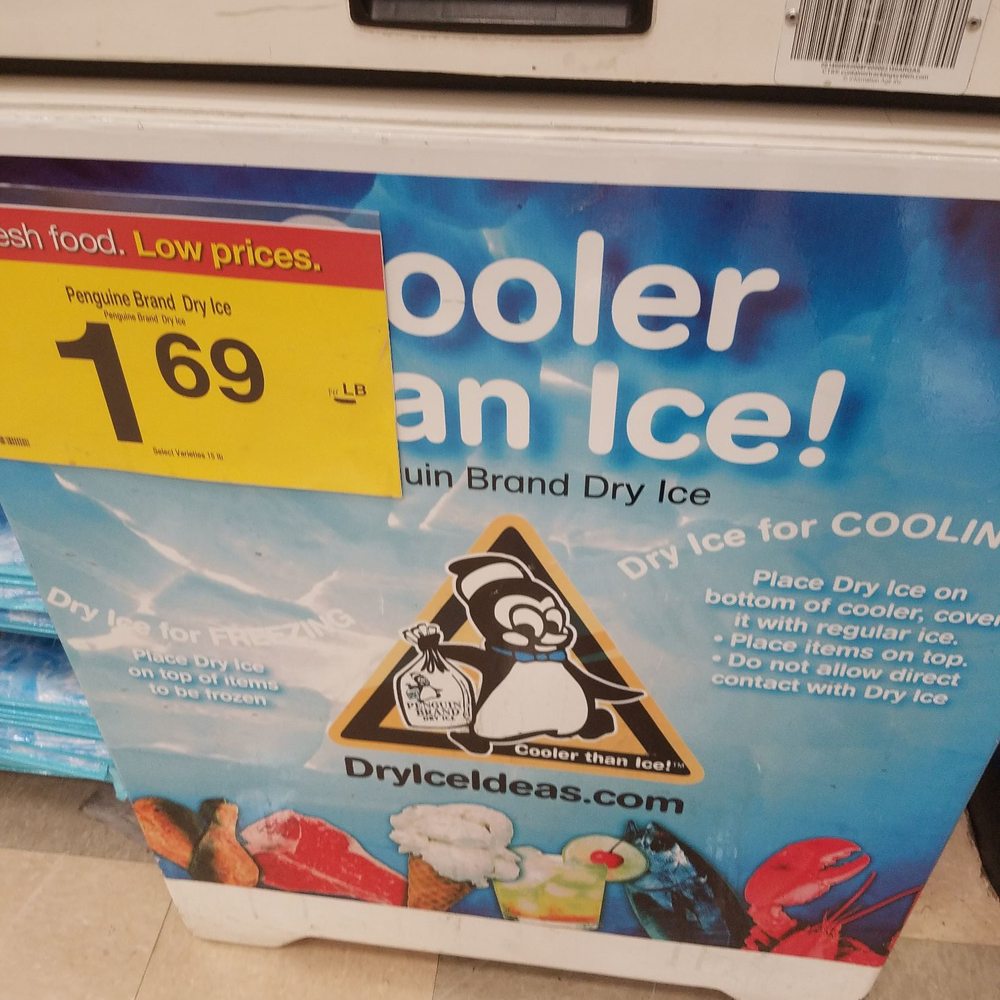
Expect some regional variation. Certain areas, especially those with large food processing industries, might have more readily available dry ice due to local production. Conversely, more remote locations could face greater difficulties. It's generally accessible if you know where to look. Penguin Brand Dry Ice is a widely available option, as noted by their 'Find Dry Ice Near You' resource.
Major Retailers Stocking Dry Ice
When people think about where to buy dry ice, the big box stores are usually the first place they look. Walmart is a fairly reliable source, though availability varies significantly by location. Generally, you’ll find it on Tuesdays and Fridays, often in the morning hours, but this isn’t a hard rule. Prices typically fall in the $2.50 to $3.50 per pound range, but that can shift.
Kroger and its affiliated stores (like Fred Meyer and Ralphs) also frequently carry dry ice, often following a similar Tuesday/Friday restocking schedule. Kroger stores in some areas tend to be more consistent with their supply than Walmart, but it’s not a universal experience. Expect prices around $2.80 - $3.20 per pound. Checking your local Kroger’s website or calling to verify is recommended.
Costco is a popular option, particularly if you need a larger quantity. They usually stock dry ice on Wednesdays and Saturdays, and the price is generally competitive – around $2.00 to $2.50 per pound, making it one of the more affordable options. However, you must be a Costco member to purchase. Purchase limits can also apply, so be prepared for that.
Sam's Club is similar to Costco in terms of availability and pricing. Typically stocked on Thursdays and Sundays, you can expect to pay around $2.20 - $2.70 per pound. Like Costco, a membership is required, and purchase limits may be in place. Penguin Brand Dry Ice is often what you’ll find at these larger retailers, based on their distribution network. Sam’s Club sometimes runs out of stock quicker than Costco, especially leading up to holidays.
Stock levels at these major retailers can be unpredictable, especially during peak demand periods. Calling ahead to confirm availability is always recommended. Don’t assume it will be there just because it was in stock yesterday.
Local Grocery Stores & Ice Suppliers
Don’t overlook smaller, regional grocery chains and dedicated ice suppliers. These can often be excellent sources of dry ice, especially when the larger stores are sold out. Many local stores are more nimble and can restock more frequently, or they may have established relationships with local dry ice distributors. Smaller chains like H-E-B in Texas and Wegmans on the East Coast are often good sources, but availability is, of course, location-dependent.
The best way to find these local suppliers is through a simple Google Maps search: “dry ice near me.” You can also check local business directories or ask around on community social media groups. Calling ahead is absolutely essential with these smaller businesses. Their stock levels can change dramatically throughout the day, and they may have limited hours for dry ice sales.
Dedicated ice suppliers are often a reliable bet, as dry ice is their specialty. They’re more likely to have consistent stock and may even offer delivery services. However, they might not be as conveniently located as a grocery store. Many ice suppliers also cater to commercial customers, so don’t be surprised if they’re used to handling larger orders.
Dry Icy does not guarantee the stock levels of any third-party retailers. This information is provided as a helpful resource, but we are not responsible for their inventory. Always confirm availability directly with the store before making a trip.
Specialty Gas & Welding Supply Stores
Stores that sell industrial gases – argon, helium, oxygen, and so on – frequently carry dry ice. These are often a good backup option when grocery stores are out of stock. They typically cater more to businesses, but most will sell to the public. You might find them listed as "welding supply’ or ‘industrial gas" in online searches.
While generally reliable, these stores sometimes have higher prices than grocery stores. You can expect to pay around $3.00 to $4.00 per pound, but they often offer larger quantities, which can lower the per-pound cost if you need a significant amount. They may also have specific hours for dry ice sales, so calling ahead is best.
These stores are particularly useful if you need a consistent supply of dry ice for a project or event. They’re more likely to have a steady stock compared to grocery stores that may only restock a few times a week.
Amazon & Online Options (Proceed with Caution)
Buying dry ice online seems convenient, but it’s fraught with challenges. The biggest issue is shipping: dry ice sublimates (turns from solid to gas) during transit, making standard shipping impossible. Any online purchase will likely involve local delivery or pickup options. Amazon.com lists dry ice products, but these are almost always fulfilled by third-party sellers offering local delivery.
Exercise caution when buying dry ice online. Check seller reviews carefully and look for established businesses with a good reputation. Subpar product quality and unreliable delivery are common complaints. Make sure the seller clearly explains their shipping and handling procedures.
Based on a recent search on Amazon, several local suppliers offer dry ice delivery within a limited radius. However, prices are often significantly higher than in-store purchases, and availability can be spotty. Consider online options as a last resort.
Online Dry Ice Retailer Comparison - 2026
| Seller | Shipping/Pickup Options | Customer Feedback | Reliability (Dry Icy Assessment) | Key Strengths/Weaknesses |
|---|---|---|---|---|
| Amazon Marketplace Sellers (Various) | Primarily shipping; availability varies greatly by location. | Highly variable; ranges from excellent to poor depending on the specific seller. | Low to Medium (dependent on individual seller) | Wide selection, convenience of Amazon platform. Quality and delivery consistency are unpredictable. |
| Penguin Brand Dry Ice (via local retailers) | Local pickup at participating grocery stores and retailers. No direct shipping. | Generally positive, focused on product quality and availability at stores. | High | Consistent product quality, readily available through established retail chains. Limited to locations with participating retailers. |
| Walmart Marketplace (Dry Ice Sellers) | Shipping and potential in-store pickup depending on seller and location. | Mixed; reports of both timely delivery and shipping damage. | Medium | Potential for competitive pricing, but reliability is inconsistent. Dependent on third-party sellers. |
| Kroger Marketplace (Dry Ice Sellers) | Shipping and in-store pickup options where available. | Generally favorable when fulfilled directly by Kroger stores; variable with third-party sellers. | Medium | Convenient for Kroger shoppers, but availability and fulfillment quality can vary. |
| Local Grocery Stores (Direct Purchase) | In-store purchase only. | Typically positive, based on local store reputation. | High | Immediate availability, avoids shipping concerns. Limited to store hours and stock levels. |
| Praxair/Linde (Industrial Gas Suppliers) | Pickup typically required; some limited delivery options for commercial accounts. | Focus on B2B customers; limited consumer feedback. | High | High-quality product, geared towards industrial and commercial use. May have minimum purchase requirements. |
Qualitative comparison based on the article research brief. Confirm current product details in the official docs before making implementation choices.
Price Ranges: What to Expect in 2026
Dry ice prices are subject to change based on location, demand, and the supplier. Here’s a general guide, keeping in mind these are estimates. For small quantities (1-5 lbs), you can expect to pay between $3.00 and $4.00 per pound. This is typical at smaller stores or when buying a limited amount at a larger retailer.
Medium quantities (5-20 lbs) usually bring the price down to around $2.20 to $3.00 per pound. Costco and Sam’s Club often fall into this range. Larger quantities (20+ lbs) can reduce the price further, potentially to $1.80 to $2.50 per pound, especially when buying directly from an ice supplier.
Be aware of potential hidden costs. Some suppliers may charge a rental fee for the cooler you’ll need to transport the dry ice. Delivery fees can also add to the total cost. Always ask about all applicable charges before making a purchase. I’ve seen delivery fees range from $10 to $30, depending on the distance.
It’s also important to remember that prices tend to increase during peak demand periods, such as Halloween and Thanksgiving. Planning ahead and purchasing dry ice in advance can help you avoid these price hikes.
Dry Ice Availability: A Seasonal View
Demand for dry ice fluctuates throughout the year. Halloween is a major peak, as it’s commonly used for creating spooky effects and preserving pumpkins. Thanksgiving also sees a significant increase in demand for keeping food cold during travel. Events like outdoor festivals and concerts can also drive up demand.
Weather can also play a role. Severe storms can disrupt supply chains and make it harder to get dry ice to certain areas. It’s always a good idea to check the weather forecast before planning a dry ice purchase.
To ensure you can get dry ice when you need it, especially during busy times, plan ahead. Order in advance if possible, call multiple stores to compare availability, and be flexible with your pickup times. Being prepared can save you a lot of frustration.
Safety First: Handling and Storage Reminders
Dry ice is extremely cold (-109.3°F or -78.5°C) and can cause severe frostbite on contact. Always wear insulated gloves and use tongs or other tools when handling it. Never touch dry ice with bare skin.
Store dry ice in a well-ventilated area, as it releases carbon dioxide gas as it sublimates. Do not store it in an airtight container, as the pressure buildup could cause it to explode. An insulated cooler is the best way to store and transport dry ice.
For more detailed safety information, please visit Dry Icy’s dedicated safety page [link to Dry Icy safety page – placeholder]. Remember, safe handling is crucial when working with dry ice.
- Wear insulated gloves.
- Use tongs or other tools.
- Store in a well-ventilated area.
- Do not store in an airtight container.

No comments yet. Be the first to share your thoughts!