

Market changes since 2023
Dry ice supply has stabilized since the 2023 shortages, though regional gaps remain. Instacart and DoorDash drivers now use it more frequently for grocery deliveries, and medical transport for vaccines continues to squeeze local supplies. While federal regulations are the same, shipping companies are stricter about labeling and vented packaging than they were a few years ago.
What this means for you, the buyer, is that availability isn't a given. While major retailers generally stock it, finding dry ice when you need it can still be a challenge, especially during peak seasons. Prices are also more sensitive to demand fluctuations than they used to be. Expect to do a little more planning and potentially call ahead to confirm availability, even at stores that typically carry it. The convenience factor has definitely been impacted by these changes.
New independent producers have popped up to serve local businesses. These are great for bulk orders, but many require a 50-pound minimum or a commercial account. Check these local hubs if your neighborhood grocery store is sold out.
Where to find it at national retailers
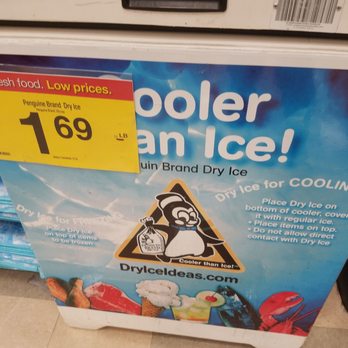
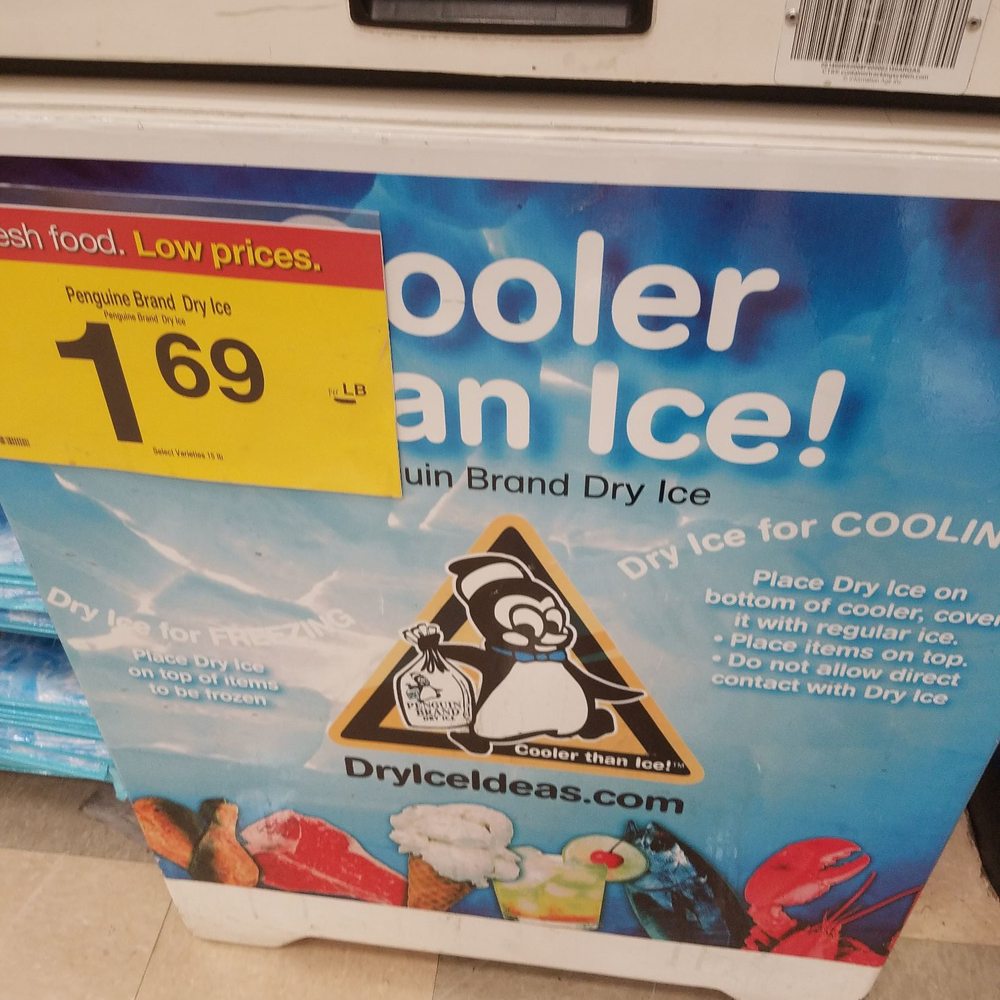
Walmart is the most common source, usually priced between $1.50 and $2.00 per pound. Most stores only restock on Friday mornings. If the cooler near the front registers is empty, it's likely gone for the week.
Kroger and its affiliate stores (like Ralphs, Fred Meyer, and King Soopers) also carry dry ice, usually on Fridays and Saturdays. Availability seems a bit more variable than at Walmart; I’ve found some stores consistently stock it, while others only get shipments sporadically. Pricing is comparable to Walmart, around $1.50 to $3.50 per pound. Kroger’s website doesn’t usually provide real-time stock information, so a phone call is essential.
Costco is a reliable option if you need a larger quantity of dry ice. They typically stock it on Fridays, and sometimes on weekends. The price per pound is generally lower than at Walmart or Kroger, often around $1 to $2, but you need a Costco membership to purchase it. Be prepared for it to sell out quickly, especially during peak seasons. I’ve seen reports of lines forming well before the dry ice is even brought out.
Sam's Club is similar to Costco in terms of availability and pricing. They usually have dry ice on Fridays, and the price is competitive, around $1 to $2.50 per pound. Again, a membership is required. I've observed that Sam's Club tends to have slightly less consistent stock than Costco, so calling ahead is even more important. As of late 2025, neither Costco nor Sam’s Club offer online ordering and home delivery of dry ice.
Regional and Local Suppliers
Don't overlook regional and local suppliers. Airgas and Praxair/Linde (now combined) are major industrial gas companies that often sell dry ice, but they typically cater to businesses and may require you to establish an account. They often have larger quantities available than retail stores. Expect to pay a slightly higher price per pound, but the convenience of guaranteed availability can be worth it.
Some independent ice cream shops still sell dry ice, primarily for creating fog effects. This is a good option if you only need a small amount, but the price per pound can be significantly higher than at larger retailers. Availability is also limited to their business hours and stock levels. It’s always best to call ahead.
Finding these local suppliers requires a bit of searching. A Google search for 'dry ice near me' is a good starting point, but be sure to check reviews and call ahead to confirm availability and pricing. Many smaller suppliers don’t have a strong online presence, so phone calls are often the most effective way to get information. Be prepared to explain your intended use; some suppliers may have restrictions on who they sell to.
Online delivery and pickup
Amazon.com does offer dry ice, but the experience is…complex. Availability is inconsistent, and shipping costs can be prohibitive due to the specialized packaging and handling required. The quality of packaging varies, and there have been reports of dry ice arriving partially sublimated. It's generally not the most cost-effective option, and it's definitely not ideal if you need it urgently.
A handful of regional or specialized online dry ice retailers are emerging, but their reach is limited. These often focus on specific applications, like shipping biological samples, and may have strict ordering requirements. I haven’t found any single online retailer that reliably delivers dry ice nationwide with consistent availability and reasonable pricing.
The most viable online option is often scheduling a pickup from a local supplier. Many gas companies and some ice cream shops allow you to order dry ice online or by phone and pick it up at their location. This avoids the high shipping costs and potential damage associated with delivery. Check the websites of local suppliers to see if they offer this service.
Online Dry Ice Retailer Comparison (2026)
| Retailer | Shipping Cost | Delivery Time | Packaging Quality | Reliability (Customer Reviews) |
|---|---|---|---|---|
| Amazon | Varies significantly based on seller and location. Multiple options available. | Typically 1-5 business days, depending on seller and distance. | Generally Good, but dependent on the specific seller fulfilling the order. | Mixed. Wide range of seller performance; requires careful review of individual seller ratings. |
| ColdFreight | Not explicitly stated; likely calculated based on weight and distance. | Offers warehouse pickup; shipping times vary by location, potentially 1-3 business days. | Good, designed for maintaining dry ice temperature during transit. | Generally Positive, focused on reliable delivery for critical cooling needs. |
| Walmart (via third-party sellers) | Varies depending on the seller. | Typically 2-5 business days. | Average; packaging quality dependent on the seller. | Variable; customer experiences depend heavily on the specific seller. |
| Praxair/Linde (online ordering where available) | Quote-based, dependent on quantity and location. | Typically 1-3 business days for scheduled delivery. | Good, industrial-grade packaging designed for safe transport. | Generally High, established industrial gas supplier with a focus on safety and reliability. |
| DryIceCorp.com | Calculated at checkout based on weight and destination. | 1-2 business days to most locations. | Average to Good, utilizes insulated packaging. | Generally Positive, with a focus on quick delivery and customer service. |
Illustrative comparison based on the article research brief. Verify current pricing, limits, and product details in the official docs before relying on it.
Current pricing per pound
Dry ice pricing is far from standardized. As of early 2026, expect to pay around $1 to $3.50 per pound, depending on the supplier and quantity. A 5lb bag typically costs between $5 and $17.50, while a 10lb bag ranges from $10 to $35. Larger quantities (20lbs or more) generally offer a lower price per pound, potentially dropping to $1 to $2.
Walmart and Kroger are usually the most affordable options for smaller quantities, while Costco and Sam’s Club offer the best prices for larger amounts (assuming you have a membership). Local gas companies often charge a premium but may offer more consistent availability. Amazon’s pricing is highly variable and often includes significant shipping costs.
Buying in bulk is almost always cheaper per pound, but only if you can use it before it sublimates. Dry ice sublimates at a rate of about 5-10 pounds every 24 hours in a typical cooler, so factor that into your calculations. Some suppliers may offer discounts for business accounts or large orders.
Dry Ice Availability: A Seasonal View
Dry ice demand fluctuates throughout the year. Halloween is a major peak, as people use it to create fog effects for parties and haunted houses. The holiday season also sees increased demand for shipping perishable items. Expect to find limited availability and higher prices during these times.
Power outages can also cause a sudden surge in demand for dry ice, as people try to preserve food. This happened frequently during the severe winter storms of 2023 and 2024, and the pattern is likely to repeat. During these events, stores often sell out of dry ice quickly, and price gouging can occur.
Demand also varies by region. Warmer climates generally have higher demand for dry ice year-round, as it's used more frequently for keeping food and beverages cold. Expect to find more consistent availability in these areas, but also potentially higher prices.
Safety First: Handling and Storage Reminders
Dry ice is extremely cold (-109.3°F or -78.5°C) and can cause severe frostbite on contact. Always wear insulated gloves and eye protection when handling it. Never touch dry ice with bare skin or allow it to come into contact with your eyes.
Dry ice turns into carbon dioxide gas as it melts. If you leave it in a sealed cooler or a small car with the windows up, the pressure can cause an explosion or make it hard to breathe. Keep a window cracked during transport.
Store dry ice in an insulated container, such as a cooler, but do not seal it tightly. Allow the carbon dioxide gas to vent. Avoid storing dry ice in your car for extended periods, as the carbon dioxide gas can build up and cause drowsiness. Proper storage is key to safe handling.
- Use heavy gloves; the -109°F temperature burns skin instantly.
- Ensure adequate ventilation.
- Store in an insulated, vented container.
- Never ingest or expose skin for prolonged periods.

No comments yet. Be the first to share your thoughts!