

The cost of sublimation
Dry ice doesn't melt; it disappears. Because it's frozen carbon dioxide, it turns directly into gas through sublimation. If you buy a block for a weekend barbecue and just toss it in a standard chest, you'll likely find nothing but an empty cooler by Saturday afternoon.
Sublimation happens because dry ice is frozen carbon dioxide. And it happens fast. The rate of sublimation is heavily influenced by temperature and exposure to air. Even a small amount of sublimation adds up quickly, especially considering dry ice prices can fluctuate depending on location and demand. What seems like a minor loss can easily translate to wasted money.
Most people assume a decent cooler buys them days of storage. In reality, you're fighting a losing battle against physics from the moment the ice leaves the store. Slowing that process down is the only way to avoid rebuying your supply.
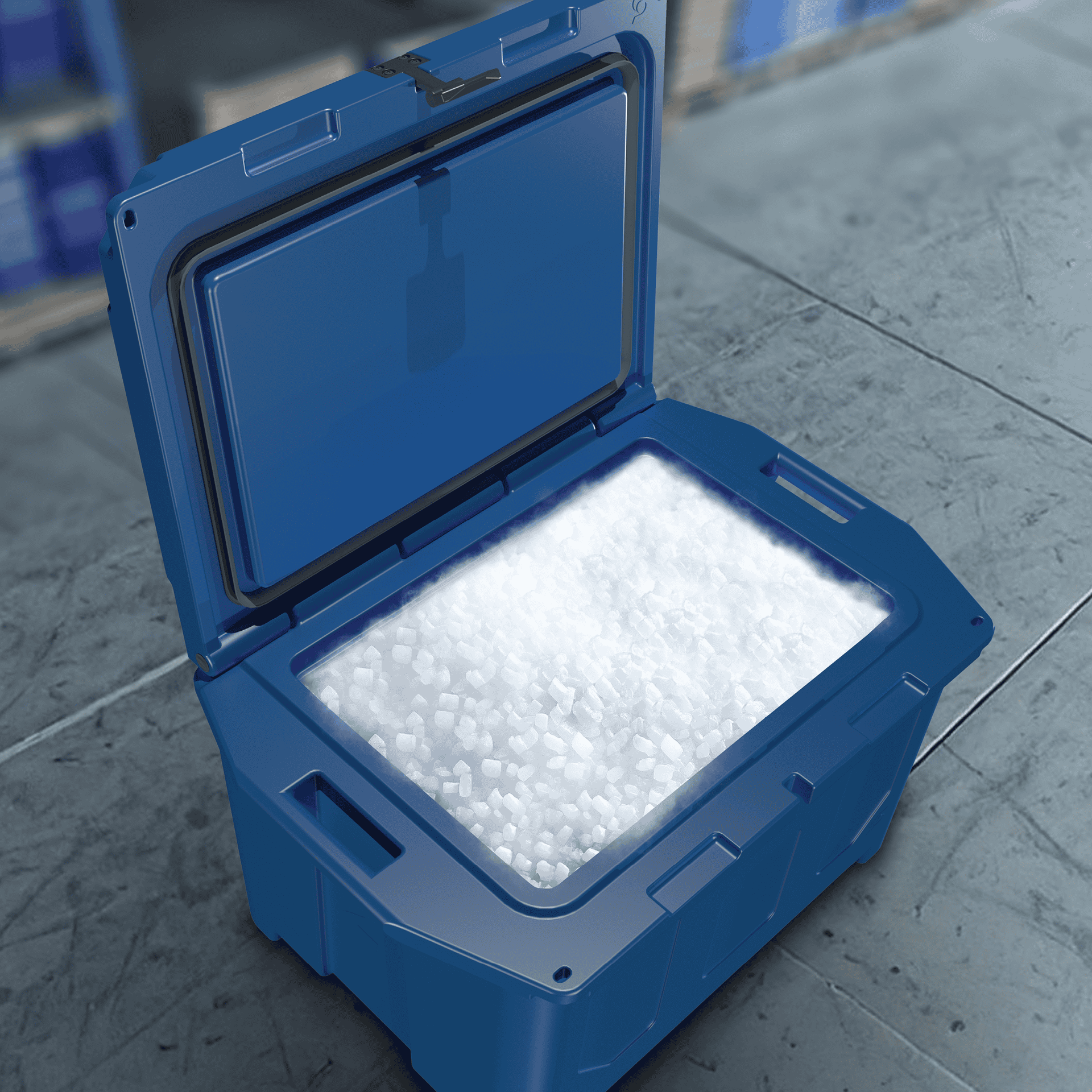
Choosing the right cooler
The most popular method for dry ice storage is, understandably, the cooler. But not all coolers are created equal, and even the best cooler requires proper technique. A high-end, heavily insulated cooler will outperform a cheap one, but a basic cooler can still be effective if used correctly. The key is minimizing heat transfer.
Empty space is the enemy. While air is technically an insulator, a large pocket of it inside your cooler speeds up sublimation. I pack the gaps with wadded-up newspaper or extra cardboard to keep the cold air tight against the block.
However, let’s be realistic: even the best cooler isn’t a long-term storage solution. Sublimation will still occur. Cooler size also matters. A large cooler with a small amount of dry ice will lose its cooling capacity faster than a smaller cooler packed more tightly. I've found that keeping the dry ice block relatively solid, instead of broken into smaller pieces, also slows sublimation.
Adding extra insulation layers
Think of insulation as slowing down the rate of heat transfer. The goal isn’t necessarily to create an airtight seal, though minimizing air leaks is helpful. Remember, dry ice needs to vent as it sublimates – an airtight container is a serious safety hazard (more on that later). Instead, focus on surrounding the cooler, or the dry ice container itself, with additional insulating materials.
Layering is a powerful technique. Wrapping the cooler in blankets, towels, or even cardboard can significantly reduce heat gain. I've seen people successfully use old sleeping bags for this purpose. The principle is simple: the more barriers between the dry ice and the warmer environment, the slower the sublimation rate.
During transport, avoid direct sunlight and warm environments at all costs. Leaving a cooler of dry ice in a hot car, even for a short period, will dramatically accelerate sublimation. The same goes for storing it in direct sunlight. It's about consistently minimizing heat exposure.
- Wrap the exterior in wool blankets or old sleeping bags to add a thermal barrier.
- Towels
- Cardboard
- Sleeping bags
Safe and unsafe containers
This is where safety becomes paramount. The biggest mistake people make is storing dry ice in airtight containers. As the dry ice sublimates, it releases carbon dioxide gas. In a sealed container, this gas builds up pressure, potentially causing the container to rupture – a dangerous situation. Always ensure adequate ventilation.
Acceptable container materials include styrofoam, cardboard boxes (well-ventilated), or specifically designed dry ice containers. These containers allow the gas to escape while still providing some level of insulation. You can find a range of dry ice containers on Amazon, from simple insulated boxes to more sophisticated chests.
Florida International University (FIU) provides excellent guidelines for safe dry ice handling. Their guidelines, available online, emphasize the importance of ventilation and avoiding airtight containers. They also highlight the risk of frostbite from direct contact with dry ice. Always prioritize safety when handling and storing this material.
You don't need a specialized brand, but you do need a container that breathes. If the gas can't escape, the pressure will eventually pop the lid or crack the plastic.
- Styrofoam shippers are excellent because they are porous enough to vent gas naturally.
- Cardboard boxes (ventilated)
- Specifically designed dry ice containers
Dry Ice Container Material Suitability & Safety
| Container Material | Suitability for Dry Ice | Explanation | Venting Required? |
|---|---|---|---|
| Styrofoam | High | Styrofoam provides excellent insulation, slowing sublimation. It is lightweight and relatively inexpensive. | Yes |
| Cardboard | Medium | Cardboard offers some insulation but is not airtight and can become brittle at extremely low temperatures. Best for short-term storage. | Yes |
| Plastic | Low | Most plastics become brittle and can crack or shatter when exposed to dry ice temperatures. Some specialized, high-density plastics may be suitable, but verification is crucial. | Yes |
| Metal | Unsafe | Metal conducts cold rapidly, increasing the sublimation rate and posing a risk of cold burns upon contact. It is not an appropriate material for dry ice storage. | No |
| Specifically Designed Dry Ice Containers (e.g., those available on Amazon) | High | These containers are engineered for dry ice, often featuring insulated linings and venting systems for safe sublimation. | Yes |
Illustrative comparison based on the article research brief. Verify current pricing, limits, and product details in the official docs before relying on it.
Where to store your supply
Where you store your dry ice matters just as much as how you store it. A garage or shed is generally a better option than an attic, as attics tend to experience more extreme temperature fluctuations. Basements can also work, but ensure adequate ventilation. The goal is to find a cool, dry, and well-ventilated space.
Avoid storing dry ice in a car for extended periods, even with a cooler. The car’s interior can heat up rapidly, accelerating sublimation. Never store dry ice near flammable materials, as the escaping carbon dioxide gas can displace oxygen and create a fire hazard.
Even a seemingly "safe" location can be problematic if it lacks proper ventilation. Carbon dioxide is heavier than air and can accumulate in low-lying areas, posing a suffocation risk. Regularly check the storage area to ensure adequate airflow.
Safety First: Handling & Disposal Reminders
Remember, dry ice is extremely cold and can cause severe frostbite. Always wear insulated gloves when handling it, and avoid direct contact with skin. Ensure adequate ventilation in the storage area to prevent carbon dioxide buildup.
When disposing of dry ice, allow it to sublimate completely in a well-ventilated area. Never dispose of dry ice in a sink, toilet, or drain, as it can damage plumbing. For comprehensive safety information, refer to the FIU guidelines for safe storage, use, and handling of dry ice.
Proper handling and disposal are essential for a safe experience with dry ice. Taking these precautions will help you avoid accidents and enjoy the benefits of this versatile cooling agent.



No comments yet. Be the first to share your thoughts!