

Dry Ice's 2026 Social Media Takeover
Dry ice experiments are trending across social media platforms like TikTok, Instagram, and YouTube. Once confined to science classes and fog machines, these visually striking demonstrations have gained significant popularity.
Dry ice is the solid form of carbon dioxide. It doesn't melt like water ice; instead, it sublimates, turning directly from solid to gas. This sublimation creates the dramatic fog effects popular on social media. The visual appeal is clear, and dry ice is surprisingly accessible.
Dry ice is extremely cold, around -109.3°F (-78.5°C), and improper handling can cause burns or asphyxiation in enclosed spaces. These experiments require careful planning and adult supervision. This article covers five trending experiments, detailing the science, steps, and safety precautions.
The Bubbling Cauldron Effect
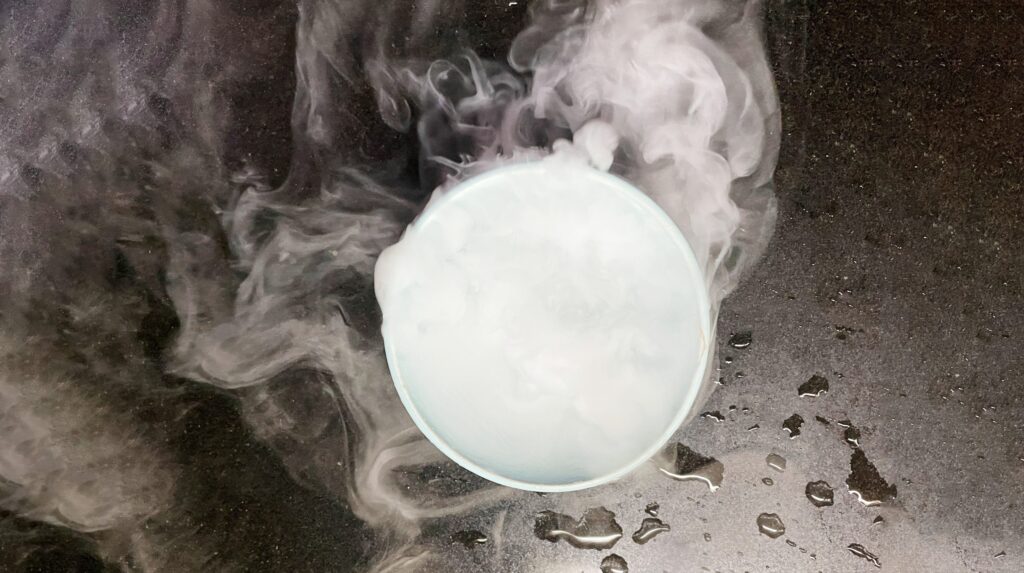
The bubbling cauldron effect is a popular dry ice experiment on TikTok, especially around Halloween. It creates a bubbling, smoky cauldron that resembles something from a fantasy film. The effect is visually striking and easy to achieve, but requires careful attention to safety.
When dry ice is placed in warm water, it sublimates into carbon dioxide gas, creating the "smoke" effect. The bubbling occurs as the sublimating dry ice agitates the water. Warmer water produces a more dramatic effect. Using comfortably warm water offers better control.
To create the effect, you'll need a cauldron or heat-safe container, warm water, dry ice, gloves, and eye protection. Fill the container with water, then carefully add small pieces of dry ice. The bubbling and fog will start immediately. For added visual appeal, tint the water with food coloring or add a drop of dish soap for more persistent bubbles. Using orange and green colored water is a popular choice for a Halloween aesthetic. Ensure the area is well-ventilated.
- Wear gloves and eye protection.
- Fill a cauldron or heat-safe container with warm water.
- Carefully add small pieces of dry ice.
- Ensure the area is well-ventilated.
- Never touch dry ice with bare skin.
Mysterious Fog & The 'Ghost' Effect
Creating fog with dry ice is a common element in many viral videos. The underlying principle is sublimation. How the fog is contained and directed distinguishes this experiment.
A popular technique, especially around Halloween, is the 'ghost' effect. This involves placing dry ice in warm water inside a larger container, such as a pumpkin. As the dry ice sublimates, the fog billows out, creating a spooky, ethereal effect. This method is used professionally in theatrical productions for atmospheric fog but is adapted for social media.
Ventilation is crucial. Too much dry ice in a small, enclosed space can displace oxygen, creating a dangerous situation. Sealing pumpkins entirely is a dangerous practice. Always ensure ample airflow. Using too much dry ice at once can result in a dense fog that obscures the effect. Start with small amounts and add more as needed.
Dry Ice 'Smoke' Bombs: A Cautionary Tale
Attempting to create 'smoke bombs' using dry ice and sealed plastic bottles is extremely risky and should be avoided. This practice can lead to serious danger.
When dry ice sublimes inside a sealed container, it creates carbon dioxide gas, building up pressure. Plastic bottles are not designed to withstand significant pressure, and the bottle can rupture, causing a dangerous explosion. There have been reported injuries from this experiment.
The ideal gas law explains that as temperature increases, pressure increases. Pressure buildup can cause the bottle to shatter into sharp fragments, even if it doesn't explode immediately. If a bottle starts to bulge, evacuate the area and allow it to vent safely in a well-ventilated outdoor space. Do not attempt to handle a bulging bottle yourself.
- Never seal dry ice in a plastic bottle.
- This creates a dangerous pressure buildup.
- Explosion can cause serious injury.
- If a bottle bulges, evacuate the area immediately.
The Floating Bubble Experiment
This experiment involves trapping carbon dioxide gas, produced by sublimating dry ice, inside a soap bubble, causing the bubble to float. It is a visually striking effect gaining traction on Instagram.
Carbon dioxide is heavier than air. When a bubble is filled with CO2, it becomes denser than the surrounding air and will float. The challenge lies in getting the bubble to hold the gas long enough to observe the effect, requiring a specific soap solution and a delicate touch.
I recommend a solution made with distilled water, dish soap (Dawn seems to work best for many), and a small amount of glycerin. The exact ratios vary, but a good starting point is 1 cup distilled water, 2 tablespoons dish soap, and 1 teaspoon glycerin. Carefully blow a bubble, then quickly introduce a small amount of CO2 gas by holding the bubble near sublimating dry ice. It takes practice, and the bubbles are fragile, but the visual payoff is worth the effort. It’s a popular trend to film the bubbles floating against a dark background for maximum impact.
Instant Ice Cream: A Delicious Application
Who doesn't love ice cream? Dry ice provides a fun and incredibly fast way to make it. This experiment isn’t just visually appealing; it’s also a delicious treat. It’s become a popular activity for parties and gatherings, offering a unique and interactive dessert experience.
The process is simple: you combine cream, sugar, and your favorite flavorings (vanilla extract, chocolate syrup, fruit puree, etc.) in a bowl or bag. Then, you add small pieces of dry ice and stir vigorously. The dry ice rapidly cools the mixture, freezing it into ice cream. The key is to use small pieces of dry ice and stir continuously to prevent large ice crystals from forming.
Crucially, do not ingest the dry ice itself! It can cause severe burns. Ensure all the dry ice has sublimated before consuming the ice cream. A basic recipe involves 2 cups heavy cream, 1/2 cup sugar, 1 teaspoon vanilla extract, and about 1-2 cups of dry ice. Feel free to experiment with different flavors and toppings. It’s a fantastic way to demonstrate a practical application of sublimation and enjoy a tasty reward.
Dry Ice Safety: Beyond the Basics
We’ve touched on safety throughout this article, but it deserves a dedicated section. Dry ice is a powerful substance, and treating it with respect is paramount. It’s not just about avoiding burns; it’s about understanding the potential hazards and taking appropriate precautions.
Always wear insulated gloves and eye protection when handling dry ice. Never touch it with bare skin. Use tongs or other tools to manipulate it. Store dry ice in a well-ventilated area, as the sublimating carbon dioxide can displace oxygen. A cooler is ideal, but don’t seal it airtight. Dispose of dry ice properly – allow it to sublimate completely in a well-ventilated space. Don’t dispose of it in a sink or toilet, as it can damage plumbing.
In case of skin contact, immediately wash the affected area with warm water. Do not rub. If dry ice is ingested, seek medical attention immediately. Never use dry ice in a confined space without adequate ventilation. Carbon dioxide is heavier than air and can accumulate in low-lying areas, leading to asphyxiation. It’s also important to be aware of the potential for container rupture, as discussed in the 'smoke bomb' section.
For more comprehensive safety information, consult resources from reputable organizations like the Centers for Disease Control and Prevention (CDC) () and the Occupational Safety and Health Administration (OSHA). These organizations provide detailed guidelines on proper handling, storage, and emergency procedures.
- Wear insulated gloves and eye protection.
- Store in a well-ventilated area.
- Never touch with bare skin.
- Allow to sublimate completely for disposal.
- Seek medical attention if ingested.
Where to Buy & What to Expect
Dry ice isn’t as readily available as regular ice, but it’s becoming easier to find. Grocery stores, particularly larger chains, often carry it, especially in the days leading up to Halloween and other holidays. Welding supply stores are another reliable source, as they use dry ice for various industrial applications. Some ice delivery services, like Emergency Ice, also offer dry ice delivery.
Pricing varies depending on location and quantity. Expect to pay around $2 to $4 per pound, but prices can fluctuate. It’s often sold by the 5- or 10-pound block. When transporting dry ice, use an insulated container – a cooler is ideal. Don’t seal it airtight, as the sublimating carbon dioxide needs to vent. Dry ice sublimates at a rate of about 5-10 pounds every 24 hours, so plan accordingly.



No comments yet. Be the first to share your thoughts!