

Dry Ice's 2026 Social Media Surge
Dry ice videos are everywhere on TikTok, Instagram, and YouTube Shorts. Content about this cold substance has exploded recently, becoming a popular prop for spooky effects and science demonstrations.
Dry ice is more available now, found in grocery stores and through services like Emergency Ice. Viral videos have increased curiosity, and the pandemic likely encouraged at-home activities and content creation, with dry ice fitting both needs.
Popular content includes dramatic food and drink presentations (foggy cocktails, eerie desserts), spooky Halloween effects, and educational science demos. Visual impact drives shares, with well-lit, creative content gaining traction. Here are five viral dry ice experiments.
The 'Witches Brew' Effect
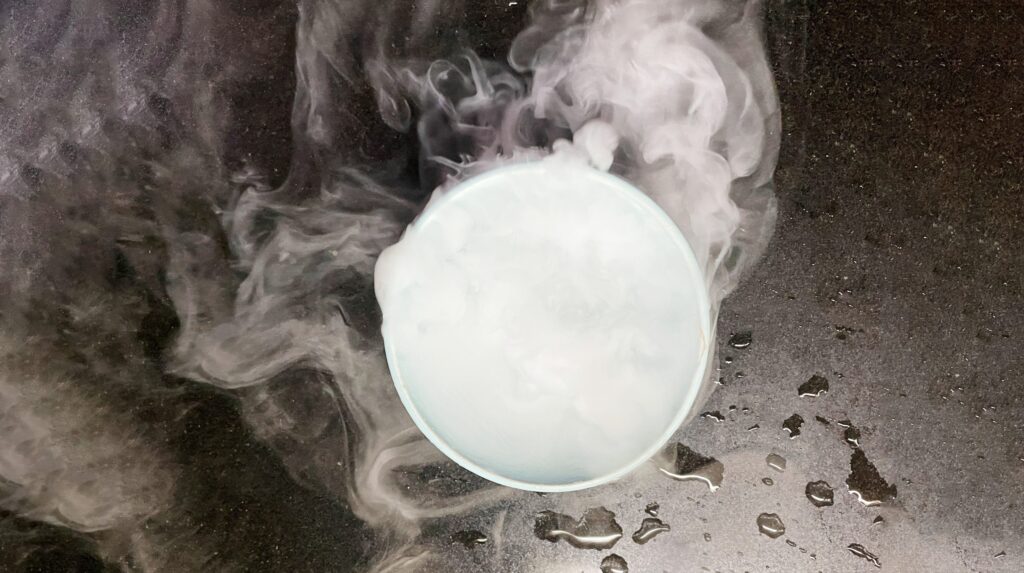
The popular 'witches brew' or foggy drink effect is visually captivating and simple. Dry ice (solid carbon dioxide) sublimates directly from solid to gas at room temperature. This CO2 gas mixes with airborne water vapor, creating a dense, white fog.
Add a small piece of dry ice to a liquid; colder liquids produce more dramatic fog. People use food coloring for vibrant brews, experiment with different glasses, and add lighting for enhanced effects, like LED lights under the container.
Never consume anything that has contacted dry ice. Microscopic particles can remain even after the fog dissipates, causing severe internal damage. The CDC warns about this; safety must be the priority.
Bubbles That Aren't Soap
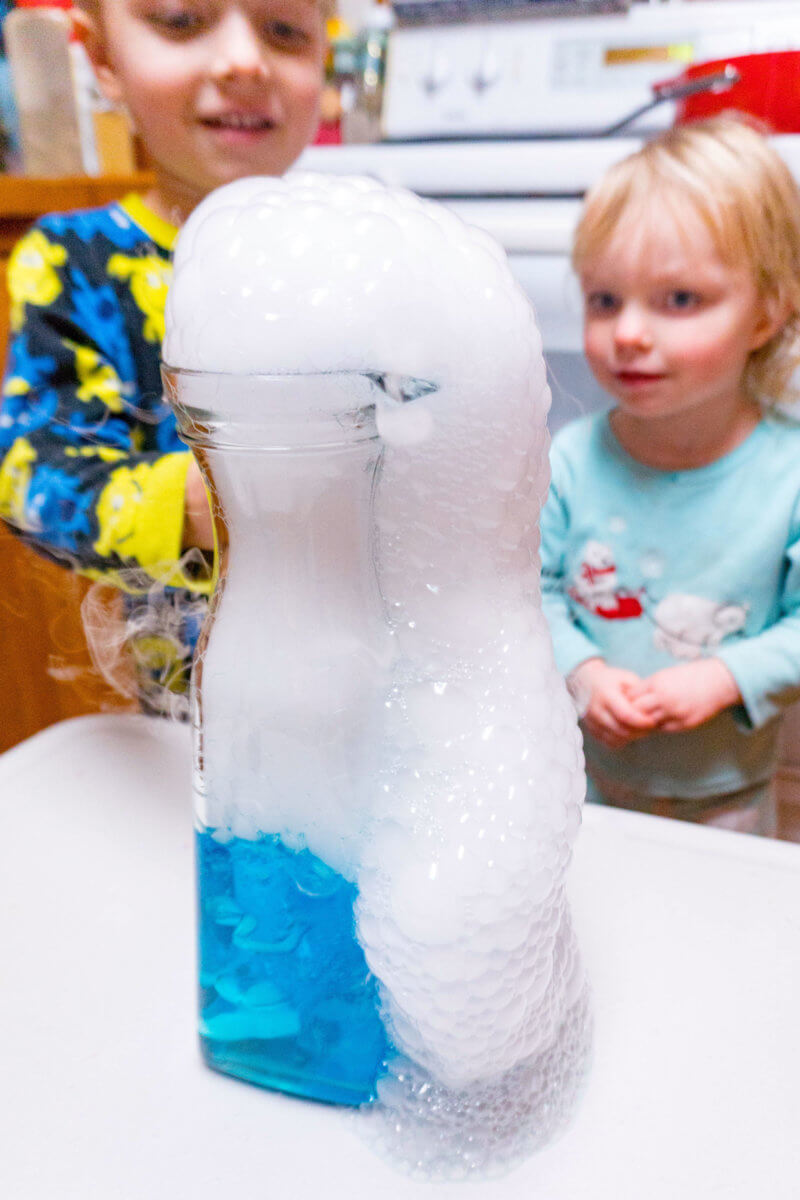
Dry ice bubbles offer a different experience than traditional soap bubbles. The sublimating CO2 gas creates larger, longer-lasting bubbles with an ethereal quality that looks good on video.
The bubble solution requires dish soap (Dawn is popular online), glycerin, and water. A common ratio is 1 cup water, 2 tablespoons dish soap, and 1 tablespoon glycerin, though experimentation is encouraged. Glycerin strengthens bubbles and makes them more resilient.
Troubleshooting may be needed. If bubbles don't form, add more glycerin or adjust water temperature. Solution consistency is key: thick enough to cling to the wand but not too thick to blow. These bubbles are visually appealing and shareable, looking otherworldly as they float and shimmer.
Content is being updated. Check back soon.
Spooky Fog for Halloween
Spooky fog effects with dry ice, a Halloween staple, are seeing a revival. The principle is the same as the 'witches brew' effect: sublimation creates dense fog. People are getting creative with presentation.
Place dry ice in pumpkins, cauldrons, or containers with warm water. More dry ice creates more fog. A small fan can direct fog for swirling effects. Ventilation is critical in enclosed spaces.
This effect often combines with the 'witches brew' concept, seen in videos of foggy cauldrons with strategic lighting. It's a classic combination that resonates with audiences. Some use fog machines with dry ice for a more dramatic effect.
The 'Screaming' Spoon Experiment
This physics-focused experiment produces an eerie sound. Dipping a metal spoon into dry ice causes rapid temperature change, making the metal vibrate and produce a high-pitched screech.
The extreme cold of dry ice causes the metal to contract quickly. This contraction creates stress, which releases as vibration – the sound heard. This demonstrates thermal expansion and contraction.
Only use a metal spoon for this experiment. Other materials may become brittle and shatter. Different metals and spoon shapes can alter the pitch and intensity of the sound.
Dry Ice and Balloon Inflation
This experiment demonstrates the relationship between temperature, pressure, and volume. When dry ice sublimates inside a balloon, the CO2 gas increases pressure, causing inflation, illustrating Charles's Law.
Risks are significant; over-inflation can cause the balloon to burst with surprising force. Use a sturdy balloon and monitor inflation carefully. Attempts to create 'balloon rockets' by directing escaping gas add complexity and risk.
Avoid small or flimsy balloons; a larger, durable one is essential for safety. Never seal the balloon completely, as increasing pressure could cause failure. This demonstrates a scientific principle but requires caution due to potential hazards.
Safety First: Handling Dry Ice Responsibly
Dry ice is extremely cold (-109.3°F / -78.5°C) and can cause severe frostbite on contact. Always wear insulated gloves and tongs; never touch it with bare skin, as even brief contact can cause significant damage.
Store dry ice in an insulated container with ventilation, as it sublimates into gas. Never use a sealed container, as CO2 gas buildup can cause an explosion. A cooler with the lid slightly ajar works well. Keep it away from children and pets.
Ensure ventilation when working with dry ice, as released CO2 gas can displace oxygen and cause suffocation. Work in a well-ventilated area. If experiencing dizziness or difficulty breathing, move to fresh air. Seek immediate medical attention for frostbite; the CDC offers resources.
Never consume dry ice, as even small amounts can cause severe internal damage. Be extremely careful when using it around food and beverages, ensuring all traces have sublimated before consumption. Know first aid for frostbite and CO2 exposure; OSHA and safety organizations offer resources.
- Wear insulated gloves and tongs.
- Store in a well-ventilated, insulated container.
- Never consume dry ice.
- Ensure adequate ventilation.
- Know first aid for frostbite.



No comments yet. Be the first to share your thoughts!