

Current dry ice availability
Demand for dry ice in 2026 remains strong, primarily driven by the food and beverage industry—keeping shipments cold—and increasing use in special effects for events. We've seen some stabilization in pricing after the supply chain disruptions of the early 2020s, but local availability continues to be surprisingly variable. Factors like regional CO2 production capacity and seasonal demand still play a big role.
Supply depends heavily on local CO2 plant uptime. If a regional plant goes offline for maintenance, local grocery stores usually lose stock first. I recommend checking industrial suppliers if your local supermarket is empty, as they often have priority contracts.
The good news is that the network of suppliers is fairly robust. You just need to know where to look. Expect to see prices generally range from $2 to $4 per pound, though this can fluctuate significantly. I’ve found that being flexible with your source can save you both time and money.
Retailers that stock dry ice
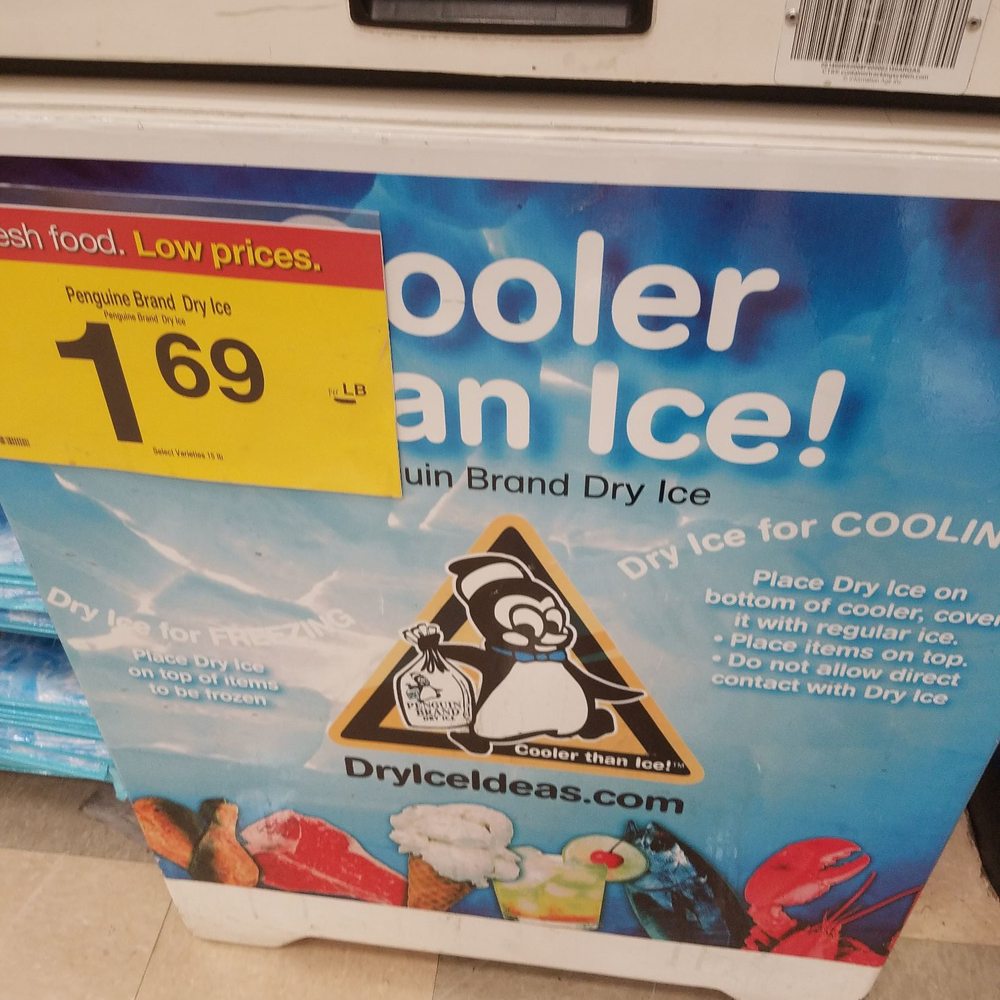
Walmart is the most common source, but stock is hit-or-miss. Many locations only order shipments for high-demand weeks like Halloween. Expect to pay between $2.50 and $3.50 per pound. Check the 'Penguin Brand' freezer near the front of the store or the customer service desk.
Kroger and its affiliated stores (like Ralphs, Fred Meyer, and King Soopers) generally have better consistency than Walmart, though it still varies by location. They typically stock dry ice daily, but quantities can be limited. Pricing is usually in the $2.75 - $3.75 per pound range. Find a store near you:
Costco is a reliable option if you’re already a member. They usually have a good supply, especially leading up to holidays, and the price is often competitive—around $2.00 - $3.00 per pound. However, you need a membership to purchase, and they typically sell larger quantities. Check their website for locations:
Safeway/Albertsons stores are another possibility, but availability is often limited to weekends or special occasions. Pricing is comparable to Kroger, around $2.80 - $3.80 per pound. Use their store locator to check:
Local Gas Stations and Welding Suppliers
Don't overlook local gas stations and welding supply companies. These are frequently the most reliable sources of dry ice, especially if you need it outside of peak seasons. They carry dry ice because it's essential for their industrial customers—welding, metal fabrication, and other applications requiring cryogenic freezing. They're less susceptible to the stock-out issues that plague larger retailers.
Finding them requires a little more effort. Try searching online for 'welding supply near me' or 'industrial gas near me'. You can also search for specific brands like Praxair or Airgas, which often have local distribution networks. Be sure to call ahead to confirm they have dry ice in stock and inquire about their hours, as they may have limited weekend or evening availability.
Don’t hesitate to explain your intended use. While they primarily serve industrial clients, most are happy to sell to individuals as long as you understand the safety precautions.
- Call the shop before driving over to ensure their specific CO2 tank is filled.
- Ask about quantity limits: Some suppliers may have restrictions.
- Inquire about pricing: Prices can vary significantly.
- Understand their hours: Many close early or are closed on weekends.
Ordering dry ice online
Online options for dry ice delivery are still somewhat limited due to the challenges of shipping a material that sublimates. ColdFreight (coldfreight.com) is one of the more established players, offering dry ice delivery, particularly for businesses, with a focus on refrigerated courier services. They have a warehouse pickup option and operate Monday-Friday, 10:00 AM – 5:00 PM. Their pricing is dependent on quantity and location.
Amazon.com does list dry ice for sale, but it’s typically fulfilled by third-party sellers and availability is highly variable. Shipping costs can be substantial, and you're relying on the seller to package it correctly for safe transport. I’ve seen some reports of issues with packaging and delivery times, so proceed with caution.
The biggest limitation with online delivery is the shipping radius. Dry ice sublimates over time, so it can’t be shipped long distances without significant loss. Expect to pay a premium for expedited shipping, and be prepared to receive it quickly. It’s generally more cost-effective to find a local supplier if possible. Be aware that some shipping companies may have restrictions on transporting dry ice.
DIY Dry Ice: Is It Possible?
The short answer is no, you cannot safely or practically make dry ice at home. It requires specialized equipment, including a high-pressure CO2 tank, a regulator, and a dry ice mold. More importantly, handling high-pressure CO2 is extremely dangerous without proper training and safety precautions.
Attempting to create dry ice without the necessary expertise can result in serious injury or even death. The rapid expansion of CO2 gas can cause frostbite, asphyxiation, and other hazards. It’s simply not worth the risk.
If you only need a very small amount of dry ice and can’t find a supplier, consider alternatives for your application. For example, if you’re trying to keep something cold, gel packs or regular ice may suffice. However, remember that dry ice is unique in its ability to maintain extremely low temperatures.
Standout Suppliers & Hidden Gems
Beyond the major retailers, some suppliers consistently receive positive feedback. Penguin Brand Dry Ice (penguindryice.com) has a helpful 'Find Dry Ice Near You' tool on their website, making it easier to locate local retailers. They partner with a wide range of grocery stores and distributors.
Many independent ice companies also offer dry ice. These often provide better customer service and more flexible quantities than larger chains. Search online for 'ice company near me' to find local options. I’ve found that smaller businesses are often willing to go the extra mile to accommodate their customers.
Some welding supply stores, like those affiliated with Airgas, offer online ordering and local pickup. This can be a convenient option if you need dry ice quickly and don't want to call around. Be sure to check their website for availability and pricing.
Dry Ice Purchasing FAQs
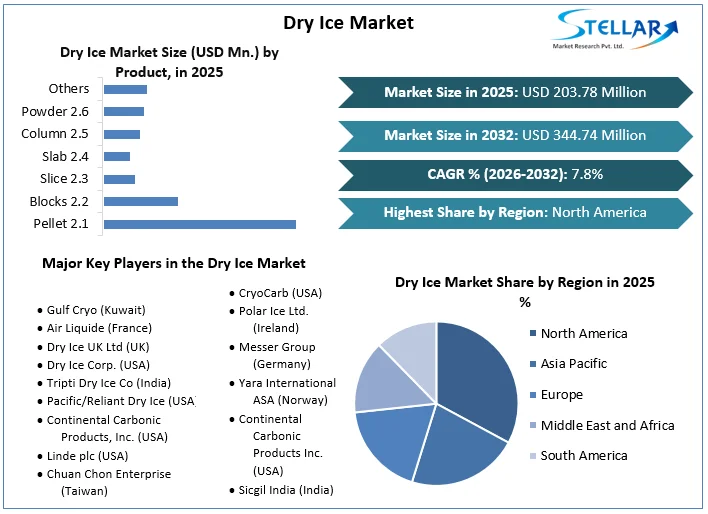
What forms does dry ice come in? Dry ice is primarily available in two forms: blocks and pellets. Blocks last longer and are better for long-term cooling, while pellets are more versatile for filling containers and creating fog effects. What’s the difference? The main difference is surface area—pellets sublimate faster than blocks.
What kind of cooler is best? A well-insulated cooler is essential. Styrofoam coolers are a good option for short-term storage, while heavy-duty plastic coolers with tight-fitting lids are better for longer durations. Avoid coolers with drainage plugs, as CO2 gas can escape through them. How much dry ice do I need? A general rule of thumb is 10 pounds of dry ice for every 24 hours of cooling in a typical cooler. This depends on the size of the cooler, the ambient temperature, and the contents being cooled.
What are the safety precautions? Always wear insulated gloves when handling dry ice to prevent frostbite. Never store dry ice in an airtight container, as the expanding CO2 gas can cause it to explode. Ensure adequate ventilation, as CO2 gas can displace oxygen and cause asphyxiation. Do not ingest dry ice. And always follow the manufacturer's instructions for handling and storage.

No comments yet. Be the first to share your thoughts!