

Dry Ice: Beyond the Cool Factor
Dry ice creates a dramatic spooky fog effect, perfect for parties. However, it's more than just a party trick; it's a powerful substance that requires careful handling and respect.
Dry ice is the solid form of carbon dioxide (CO2). Unlike water ice, which melts, dry ice sublimates, turning directly from solid to gas. It's extremely cold, -109.3°F (-78.5°C), making it effective for cooling and special effects, but also dangerous.
While often seen as a novelty for special effects or transport cooling, dry ice has broader uses in scientific research, food preservation, and industrial cleaning. Understanding its properties and hazards is key to safe use.
This guide provides the knowledge needed to use dry ice safely. Proper preparation prevents accidents and ensures a safe experience.
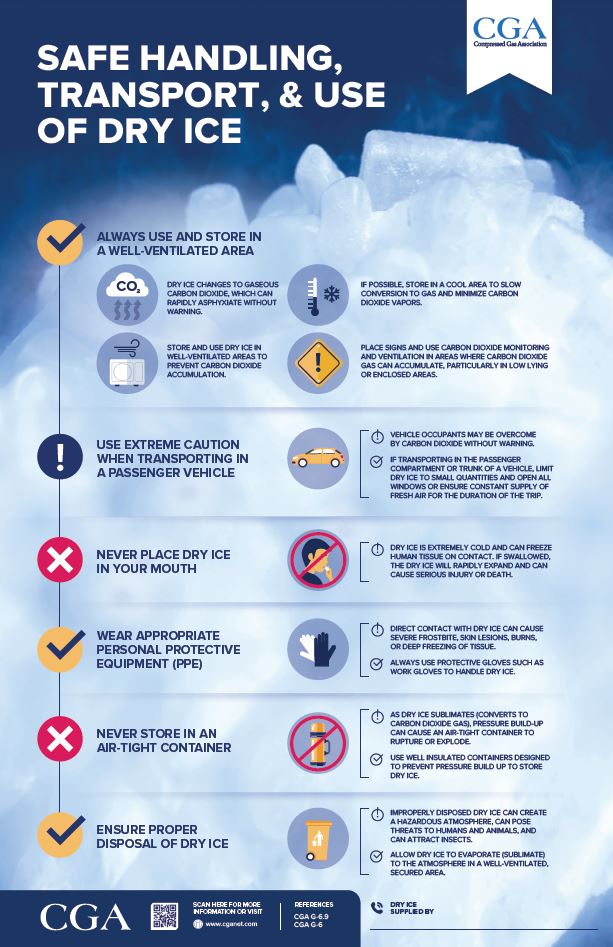
Frostbite: The Immediate Danger
The most immediate danger from dry ice is frostbite. Its extreme cold causes rapid cellular damage, constricting blood vessels and reducing blood flow, which can lead to tissue death.
Frostbite symptoms start with numbness or a prickling sensation, followed by redness and burning. Worsening damage causes pale, hard skin with blisters. Severe cases result in black tissue that may fall off. Proper handling prevents this.
A stagehand once brushed his hand against dry ice during a quick set change. He initially felt only a minor chill, but within minutes, the area became numb and red, resulting in second-degree burns and weeks of recovery. This incident shows how rapidly damage can occur.
The rapid development of frostbite makes dry ice dangerous, leaving little time to react. Always wear insulated gloves when handling dry ice, regardless of the duration.
- Stage 1: Numbness or prickling sensation
- Stage 2: Redness and burning feeling
- Stage 3: Pale, hard skin and blistering
- Stage 4: Blackening of tissue and potential loss of the affected area
Asphyxiation Risks: Carbon Dioxide Buildup
Beyond direct contact, the carbon dioxide (CO2) gas released by sublimating dry ice poses an asphyxiation risk. CO2 is heavier than air and can accumulate in low areas, displacing oxygen.
High CO2 levels impair oxygen intake, causing symptoms like headache, dizziness, confusion, increased heart rate, and difficulty breathing. Severe cases can result in unconsciousness or death. The CDC advises ventilation to prevent CO2 buildup when using dry ice for vaccine administration.
Even small amounts of dry ice can quickly raise CO2 levels to dangerous concentrations in poorly ventilated spaces like garages, basements, and cars. Airflow is critical.
Ensure adequate airflow in any space where dry ice is used or stored by opening windows and doors or using a fan. Since carbon dioxide is odorless and invisible, rely on ventilation, not senses, to stay safe.
Container Concerns: Pressure and Explosions
Storing dry ice in an airtight container can lead to disaster. Sublimating dry ice releases CO2 gas, increasing pressure and potentially causing the container to rupture or explode. This hazard is preventable.
Never use glass containers for dry ice storage. Glass is brittle, cannot withstand pressure buildup, and an exploding container can send dangerous shards flying.
Use insulated coolers or Styrofoam boxes for dry ice. These materials offer insulation to slow sublimation and can vent pressure safely. Crucially, do not seal the container completely; leave the lid slightly ajar for CO2 gas to escape.
Specific PSI thresholds for container failure are not readily available, and testing them is too risky. Even sturdy plastic containers can fail under pressure. Always prioritize ventilation over complete containment.
- Do Not Use: Glass containers
- Recommended: Insulated coolers
- Recommended: Styrofoam boxes
- Important: Ensure containers are not airtight.
Handling Dry Ice: Gloves and Eye Protection
Personal protective equipment (PPE) is essential for handling dry ice. Wear insulated gloves, such as those made of neoprene or leather, to prevent frostbite. Regular gloves are insufficient.
Wear safety glasses or goggles to protect your eyes from direct contact with dry ice and irritating CO2 gas. This is a small precaution against potentially devastating eye damage.
The Cornell EHS tip sheet also advises using insulated gloves and safety glasses when handling dry ice, confirming
Even with protective gear, handle dry ice with care. Avoid prolonged contact, and be mindful of your surroundings. Don’t handle dry ice while distracted or rushing. A moment of carelessness can lead to a painful and preventable injury.
Transporting Dry Ice: Vehicle Safety
Transporting dry ice in a vehicle requires extra caution. The biggest risk is CO2 buildup inside the car, which can lead to drowsiness, disorientation, and even loss of consciousness. Adequate ventilation is paramount. Never transport dry ice in a completely sealed vehicle.
The safest place to transport dry ice is in the trunk, with a window slightly open for ventilation. This helps to dissipate the CO2 gas and prevent it from accumulating in the passenger compartment. Avoid placing dry ice inside the car where passengers are present. It’s just not worth the risk.
I haven’t found specific federal regulations regarding dry ice transport for personal use, and it likely varies by state and local jurisdiction. However, the principles of safe handling – adequate ventilation and proper containment – remain the same regardless of legal requirements.
A long car ride with dry ice requires careful planning. Ensure you have a well-ventilated vehicle, and be aware of the potential symptoms of CO2 poisoning. If you or a passenger start to feel dizzy, lightheaded, or confused, pull over immediately and get fresh air.
Seven Precautions: A Quick Reference
To ensure safe dry ice handling, here’s a quick reference guide summarizing the seven most important precautions. Remembering these points can significantly reduce the risk of accidents and injuries.
Here's what you need to know:
1. Always wear insulated gloves when handling dry ice to prevent frostbite. 2. Use safety glasses or goggles to protect your eyes from contact with dry ice or escaping CO2 gas. 3. Ensure adequate ventilation in any space where dry ice is used or stored to prevent CO2 buildup. 4. Never store dry ice in airtight containers to avoid pressure buildup and potential explosions. 5. Never use glass containers for dry ice storage – they can shatter. 6. Transport dry ice in a well-ventilated vehicle, preferably in the trunk with a window slightly open. 7. Be aware of the symptoms of CO2 poisoning (headache, dizziness, confusion) and seek fresh air immediately if you experience them.
These precautions aren’t merely suggestions; they’re essential for safe dry ice handling. Taking the time to understand and follow these guidelines can protect you, your family, and others from potential harm. Remember, a little caution goes a long way.



No comments yet. Be the first to share your thoughts!