

How dry ice works
Imagine you're planning a Halloween party and want to create a spooky fog effect, or perhaps you need to ship temperature-sensitive items across the country. Dry ice is often the answer. But it’s more than just a convenient cooling agent; it’s solid carbon dioxide with some very specific properties that demand respect. It’s incredibly useful, but misuse can absolutely be dangerous.
Dry ice isn’t like regular water ice. It doesn’t melt; it sublimates, meaning it transitions directly from a solid to a gas. This process is what creates that eerie fog, but it also means you’re dealing with a substance that’s around -109.3°F (-78.5°C). That’s cold enough to cause severe frostbite on contact, and the carbon dioxide gas it releases presents its own hazards.
A quick touch causes instant burns. Beyond the skin risk, carbon dioxide gas displaces oxygen in small rooms. You need a plan for ventilation and storage before the ice arrives at your door.
Frostbite and asphyxiation risks
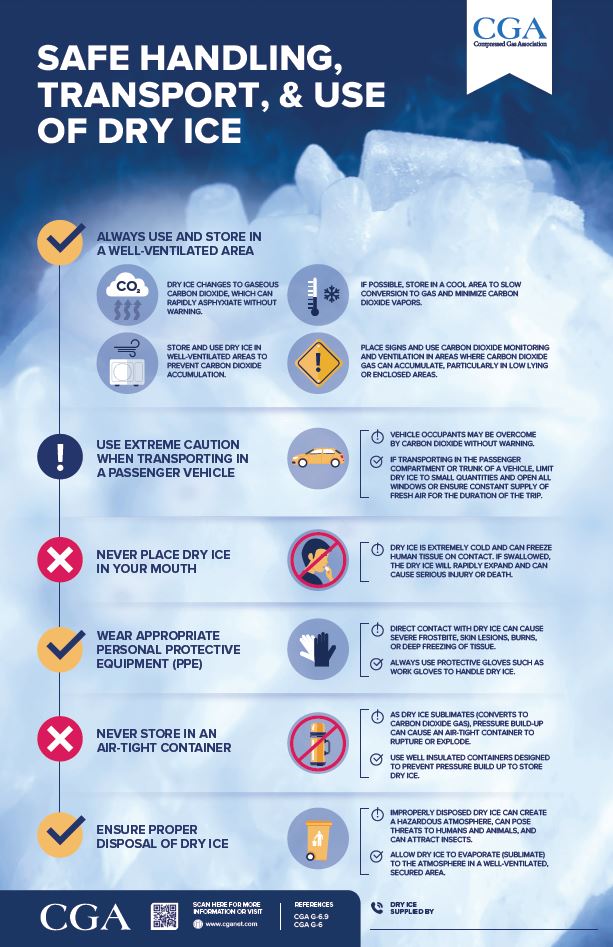
The most immediate danger with dry ice is frostbite. Direct contact, even for a few seconds, can cause severe burns to skin and tissue. It’s not just about touching it with your hand; even brief contact with exposed skin on your face or arms is risky. The extreme cold essentially freezes the moisture in your skin, causing cellular damage.
Beyond burns, asphyxiation is a serious concern. As dry ice sublimates, it releases carbon dioxide gas. CO2 is heavier than air and will displace oxygen, especially in poorly ventilated areas. This can lead to dizziness, headache, and, in extreme cases, unconsciousness or even death. The Cornell EHS tip sheet specifically warns about the importance of ventilation to prevent this.
Finally, pressure buildup is a significant hazard. Never seal dry ice in an airtight container. As it sublimates, the expanding gas will create immense pressure, potentially causing the container to rupture violently. This isn’t a theoretical risk; it’s a very real possibility that can cause serious injury. It’s a simple rule, but one that’s often overlooked.
- Frostbite: Skin freezes on contact with the -109.3°F solid.
- Asphyxiation: From carbon dioxide displacing oxygen in enclosed spaces.
- Pressure Buildup: From sealing dry ice in airtight containers.
Gloves and eye protection
When handling dry ice, insulated gloves are absolutely non-negotiable. Regular gloves simply won’t provide enough protection against the extreme cold. Look for gloves specifically designed for cryogenic temperatures. These are readily available online and at many hardware stores. Don’t skimp on quality here; your skin will thank you.
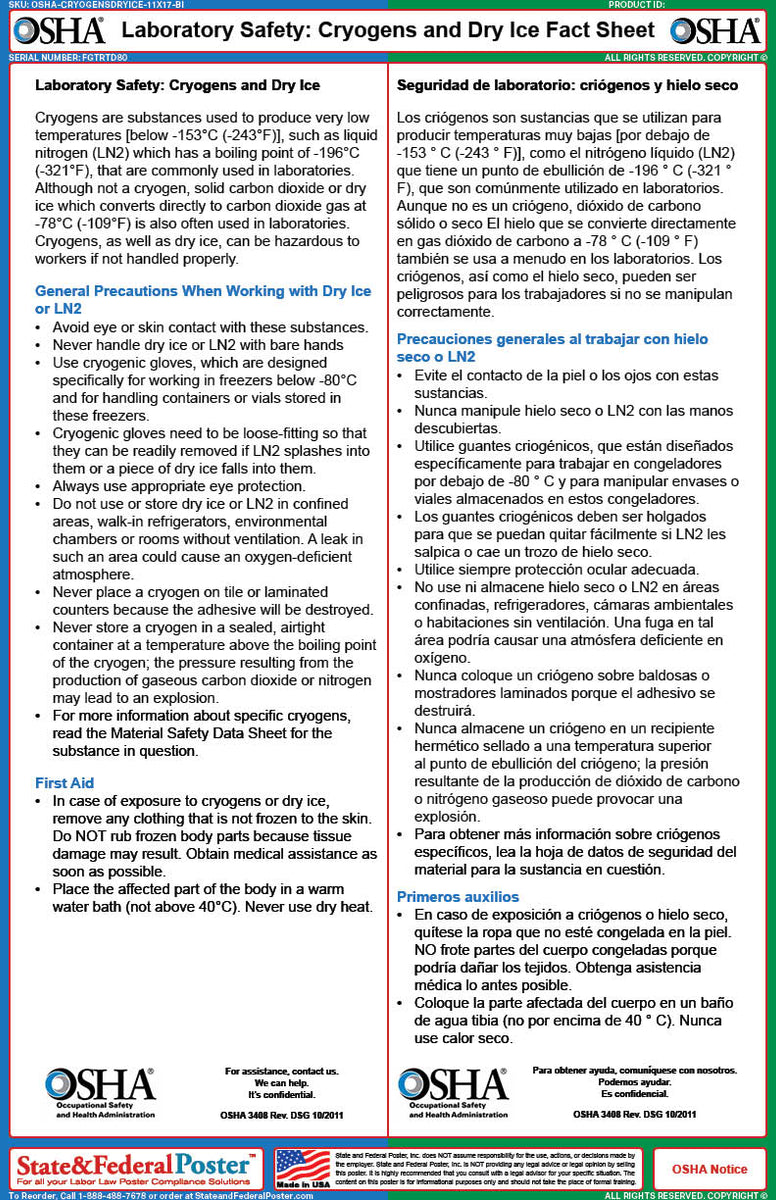
Eye protection is equally important. Safety goggles – not just glasses – are essential to prevent exposure to the cold gas and potential splashes. The CDC guidelines for healthcare professionals handling the vaccine emphasize the importance of safety goggles to protect against accidental exposure. A face shield could offer additional protection, particularly when breaking down larger blocks of dry ice, but isn’t always necessary.
Appropriate clothing is also key. Long sleeves and closed-toe shoes are a must. You want to minimize any exposed skin. I always recommend wearing jeans or other sturdy pants, even if it’s warm outside. It’s better to be overprepared than to risk a painful burn.
Safe Handling Practices: Step-by-Step
When you first receive dry ice, leave it in its original packaging until you’re ready to use it. This provides a layer of insulation and helps slow down sublimation. When transferring dry ice, use tongs or scoops – never your hands. The CDC’s guidance for healthcare professionals stresses minimizing direct contact with any tools.
If you need to break dry ice into smaller pieces, do so with extreme caution. Use a hammer or other tool, and wear your safety goggles and gloves. Avoid creating small pellets, as these can bounce and potentially cause burns. It’s generally better to create larger chunks that are easier to handle.
Always work in a well-ventilated area. Avoid handling dry ice in confined spaces. Remember, carbon dioxide is heavier than air, so it will settle in low-lying areas. Use tongs or scoops to place the dry ice in its final container. And again, avoid any direct skin contact. It's a simple rule, but it’s the most important one.
- Leave dry ice in original packaging until ready to use.
- Use tongs or scoops for transferring.
- Break down with caution, wearing full PPE.
- Work in a well-ventilated area.
Storage: Keeping It Safe and Effective
A well-insulated container is essential for storing dry ice. A Styrofoam cooler is a good option, as it provides a decent level of insulation. However, even a well-insulated cooler won’t prevent sublimation entirely. The dry ice will slowly turn into gas, reducing its overall quantity over time. This is why it’s important to use it relatively quickly.
Never store dry ice in a completely airtight container. As mentioned before, the expanding gas will build up pressure and could cause a dangerous explosion. The container needs to allow for some ventilation to release the carbon dioxide gas. A cooler with a slightly loose-fitting lid is often a good choice.
Regularly monitor the dry ice, even when it's stored in a cooler. Check for any signs of pressure buildup or excessive sublimation. If you notice anything unusual, move the container to a well-ventilated area and allow the gas to dissipate. Remember, even a 'good' cooler isn’t a foolproof solution.
Ventilation: The Invisible Safety Net
Carbon dioxide is a colorless, odorless gas, making it difficult to detect without specialized equipment. That’s why adequate ventilation is so crucial when working with dry ice. CO2 is heavier than air, meaning it will sink and accumulate in low-lying areas, potentially displacing oxygen.
Ensure the area where you’re using dry ice is well-ventilated. Open windows and doors, or use fans to circulate the air. If you're using dry ice in a small room, consider using a CO2 monitor to ensure the concentration remains at a safe level. While I'm not a medical professional, understanding the risks is vital.
Be aware of the signs of CO2 poisoning: headache, dizziness, difficulty breathing, and confusion. If you or someone else experiences these symptoms, immediately move to fresh air and seek medical attention. Prevention is always the best approach, so prioritize ventilation whenever working with dry ice.
Transporting Dry Ice: On the Road Again
Transporting dry ice in a vehicle requires extra caution. Proper ventilation is even more critical in a car, as the space is confined. Never leave dry ice in a closed car, even for a short period. The buildup of carbon dioxide gas can quickly reach dangerous levels.
Keep the vehicle windows partially open during transport to allow for air circulation. If possible, transport the dry ice in the trunk, away from the passenger compartment. And avoid prolonged exposure to the dry ice during transport – keep it as insulated as possible.
The Department of Transportation (DOT) regulates dry ice as a Class 9 hazardous material. While personal quantities are generally exempt from commercial labeling, you must still vent the vehicle to prevent CO2 buildup.
Dry Ice Use Cases - Safety Considerations
| Use Case | Ventilation Needs | PPE Required | Container Type | Potential Hazards |
|---|---|---|---|---|
| Shipping Food | Good ventilation recommended, especially in enclosed vehicles. Avoid prolonged exposure in small spaces. | Gloves are essential to prevent frostbite. Eye protection is advisable. | Insulated cooler or container; avoid airtight containers. | Carbon dioxide buildup creating an asphyxiation hazard. Food spoilage if insulation fails. |
| Halloween Fog Effects | Outdoor use is strongly recommended. If indoors, *significant* ventilation is crucial. | Gloves are essential. Avoid direct skin contact. | Plastic container suitable for holding dry ice and water. Avoid glass. | Asphyxiation risk from CO2 displacement of oxygen. Slippery surfaces from condensation. |
| Science Experiments | Well-ventilated area is required. Experiments should be conducted in a space with good airflow. | Gloves and eye protection are mandatory. Adult supervision is crucial for younger users. | Insulated container appropriate for the experiment's scale. Avoid sealed containers. | Frostbite from direct contact. Potential for container rupture if sealed. Asphyxiation risk. |
| Camping/Refrigeration | Ventilation is needed, particularly within tents or enclosed spaces. | Gloves are essential when handling. Avoid prolonged exposure. | Insulated cooler designed for dry ice. Do not use airtight containers. | Asphyxiation hazard in confined spaces. Risk of frostbite. |
| Medical Sample Transport (referencing CDC guidelines) | Ensure adequate ventilation in transport vehicles and storage areas. | Gloves and eye protection are required. Follow facility protocols. | UN-rated, insulated shipping containers designed for dry ice transport. | Potential for CO2 buildup. Risk of sample compromise if dry ice sublimates completely. |
| General Storage | Store in a well-ventilated area away from living spaces. | Gloves are required for handling. Avoid direct skin contact. | Insulated container, never an airtight one. | Asphyxiation hazard due to CO2 release. Risk of frostbite. |
Illustrative comparison based on the article research brief. Verify current pricing, limits, and product details in the official docs before relying on it.


No comments yet. Be the first to share your thoughts!