

5 Safe Ways to Get It
Knowing where to buy dry ice safely is critical, as improper handling can lead to injury or product loss. This guide outlines five reliable sources to buy dry ice while prioritizing strict safety protocols for transport and storage.
1. Purchase from Local Grocery Store Freezer Sections
Many supermarkets stock dry ice in their deep freezers for customers needing to keep perishables cold during transport. This option offers immediate availability and convenience for last-minute plans. Always call ahead to confirm stock levels, as inventory fluctuates daily based on demand and supply chain logistics. Bring insulated containers to transport the ice safely home without rapid sublimation.
2. Order Dry Ice Directly from Industrial Gas Suppliers
Industrial gas companies often provide dry ice for commercial and specialized personal uses. These suppliers typically offer larger quantities suitable for events or scientific projects. You may need to schedule pickup or delivery due to strict safety protocols. Verify their specific handling requirements and minimum order quantities before placing your request to ensure a smooth transaction.
3. Buy at Ice and Snow Retail Outlets
Specialized ice retailers frequently sell dry ice alongside traditional ice products. These shops are dedicated to cold chain logistics and often have consistent stock levels. They can provide expert advice on proper storage and handling techniques. This source is ideal for those needing reliable access without the variability of general grocery store inventory.
4. Source from Party Supply and Event Shops
Party supply stores often carry dry ice for creating fog effects at celebrations. While quantities may be smaller, this is convenient for small gatherings. Staff can guide you on safe usage for entertainment purposes. Check their operating hours, as these stores may have limited availability compared to industrial suppliers.
5. Acquire from Specialty Food and Catering Stores
Catering suppliers and specialty food stores sometimes stock dry ice for preserving delicate ingredients. This option is useful for culinary professionals or enthusiasts hosting elaborate meals. These vendors prioritize quality and safety, ensuring the product meets food-grade standards. Contact them directly to inquire about bulk purchasing options for large-scale events.
How to Store Dry Ice Safely at Home
Once you have successfully located where to buy dry ice, the priority shifts to safe handling and storage. Dry ice is carbon dioxide frozen at -109.3°F (-78.5°C), and improper storage leads to rapid sublimation or dangerous pressure buildup. Treat it with the same respect you would handle liquid nitrogen: it is invisible, odorless, and can cause severe frostbite on contact.
The goal is to minimize surface area exposure and maintain airflow. Below is the correct procedure for transporting and storing your purchase to ensure safety and maximize longevity.

Never transport dry ice in a closed passenger cabin. As it sublimates, it releases carbon dioxide gas, which can displace oxygen and cause suffocation in enclosed spaces. Drive with windows cracked open or the ventilation system on high to ensure fresh air circulates. Keep the dry ice in its original insulated packaging during transit to slow the melting process.

Standard styrofoam coolers are often insufficient for long-term storage. Use a high-quality, heavy-duty cooler with tight-sealing lids. Do not seal the lid airtight; dry ice generates significant pressure as it turns to gas. Leave the lid slightly ajar or use a vented container to allow gas to escape, preventing the cooler from bursting.

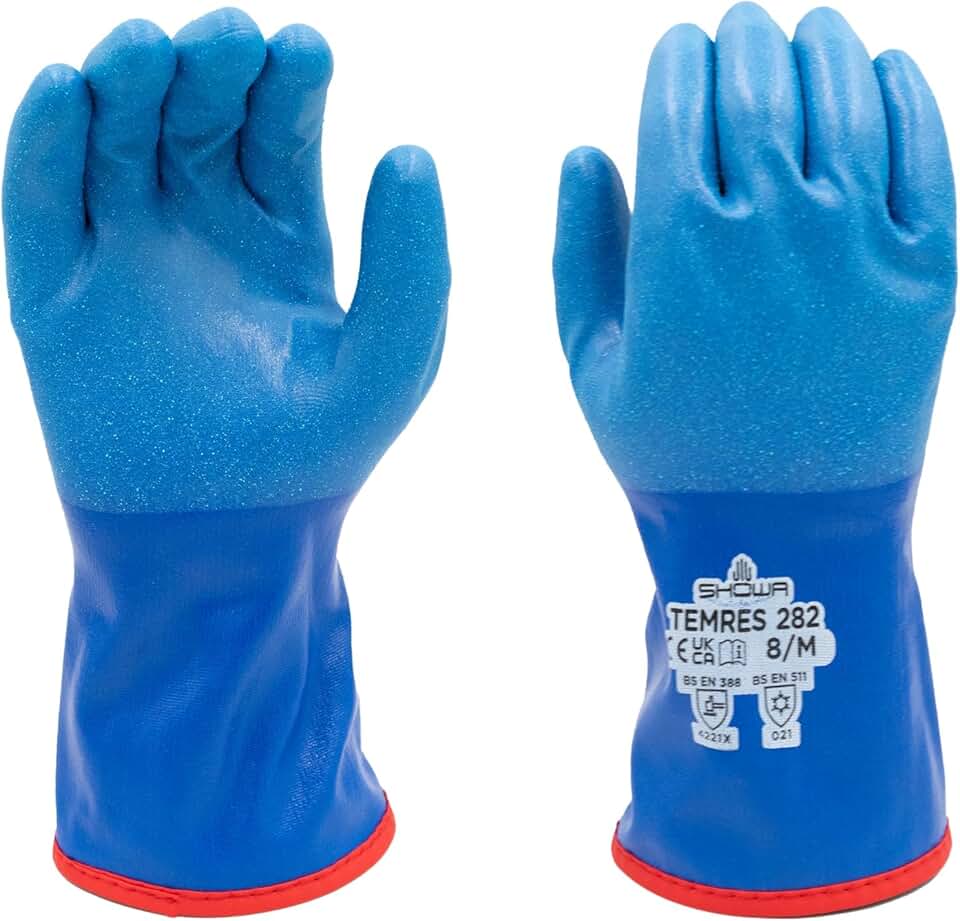
Always wear thick, insulated gloves or use tongs when handling dry ice. Direct skin contact can cause instant frostbite, similar to touching boiling water. If gloves are unavailable, use a thick towel to shield your hands, but never use thin latex or cloth gloves that can stick to the extreme cold.
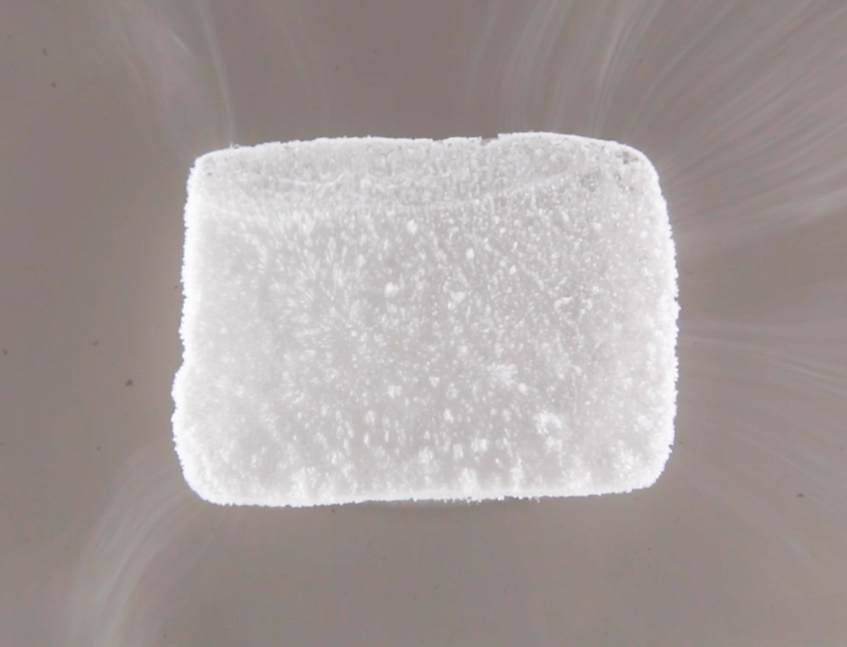
Keep your cooler in a cool, dry, and well-ventilated area, such as a garage or basement, rather than inside your living room or bedroom. Never store dry ice in a refrigerator, freezer, or wine cellar. The sublimation process can damage appliance seals and create hazardous CO2 levels in small, airtight spaces.

Allow any remaining dry ice to sublimate completely in a well-ventilated area before disposing of the water residue. Do not throw dry ice in the trash can, sink, or toilet, as the extreme cold can crack porcelain or plastic pipes. Let it disappear naturally; it will vanish into carbon dioxide gas and water vapor.
Essential Dry Ice Safety Precautions
Before you buy dry ice, you must understand that you are handling a material far colder than standard water ice. At -109.3°F (-78.5°C), it can cause instant frostbite upon skin contact. Treating it with the same caution as boiling water is the baseline rule for safe handling. If you plan to buy dry ice for shipping, medications, or party effects, proper preparation prevents injury and property damage.
Wear Proper Protective Gear
Never handle dry ice with bare hands. Always use thick, insulated gloves or long-handled tongs. Standard kitchen gloves or oven mitts are often insufficient because dry ice can slip through the weave or transfer cold instantly. If you don’t have specialized gloves, use a towel or cloth to grab the ice, but keep your skin covered at all times.
Ensure Adequate Ventilation
Dry ice sublimates directly into carbon dioxide gas. In an enclosed space, this gas can displace oxygen, leading to dizziness, headaches, or even asphyxiation. If you are transporting dry ice in a vehicle, keep the trunk or rear area well-ventilated. Never store dry ice in a sealed car for extended periods while the engine is off, as CO2 levels can rise to dangerous concentrations quickly.
Use Insulated Storage
To maintain the integrity of your purchase, store dry ice in an insulated cooler. Standard plastic containers will not keep the cold in and may become brittle and crack. A high-quality styrofoam or vacuum-insulated cooler will slow sublimation, ensuring the ice lasts longer. Remember that the ice will still disappear over time, so plan your usage accordingly.
Dispose of Residue Safely
If you have leftover dry ice that you cannot use, let it sublimate completely in a well-ventilated area. Do not throw it in the trash can or sink, as the extreme cold can crack porcelain, ceramic, or glass plumbing. Simply leave the block in an open, safe space until it has turned entirely into gas. Once it is gone, no residue remains.
Dry Ice Buying and Safety Checklist
Before you buy dry ice, ensure you have the right gear and a clear plan. This checklist helps you purchase safely and transport the product without issues.
- Insulated Container: Bring a sturdy cooler. Do not store dry ice in an airtight container, as gas buildup can cause explosions.
- Protective Gloves: Wear insulated gloves or use tongs. Direct skin contact can cause severe frostbite in seconds.
- Ventilation Plan: Transport dry ice in a vehicle with open windows. Carbon dioxide can displace oxygen in enclosed spaces.
- Quantity Estimate: Buy only what you need. Dry ice sublimates at a rate of 5–10 lbs per day, even in coolers.
-
Insulated cooler (not airtight)
-
Thick insulated gloves or tongs
-
Open vehicle ventilation plan
-
Estimated quantity (5-10 lbs/day sublimation)


As an Amazon Associate, we may earn from qualifying purchases.
Frequently Asked Questions About Dry Ice
Knowing where to Buy Dry Ice is only half the battle; understanding how to handle and store it safely is equally important. Whether you are planning a road trip, shipping perishable goods, or hosting an event, these practical answers cover the most common concerns regarding safety, availability, and usage.
Always prioritize safety when handling dry ice. Ensure your storage area is well-ventilated to prevent carbon dioxide buildup, which can displace oxygen in confined spaces. If you have any doubts about handling or shipping, consult the supplier or carrier guidelines directly.
No comments yet. Be the first to share your thoughts!