

5 Safe Ways to Get It Now
Locating dry ice requires prioritizing safety and proper handling to prevent injury or product loss. This guide outlines five verified sources where you can purchase dry ice securely and efficiently.
1. Order dry ice from online retailers
Digital storefronts offer the ultimate convenience for dry ice procurement, delivering directly to your doorstep. This method eliminates the need for immediate transport logistics, allowing you to plan ahead for events or scientific projects. Always verify the seller’s reputation and shipping policies to ensure the product arrives intact and safe for your specific use case.


2. Purchase at local grocery stores
Many major supermarket chains stock dry ice in their freezers, often near the ice cream or frozen food sections. This option is ideal for spontaneous needs, such as keeping perishables cool during a short trip home. Call ahead to confirm availability, as stock levels fluctuate daily, and remember to bring an insulated cooler for safe transport.
3. Buy from industrial gas suppliers
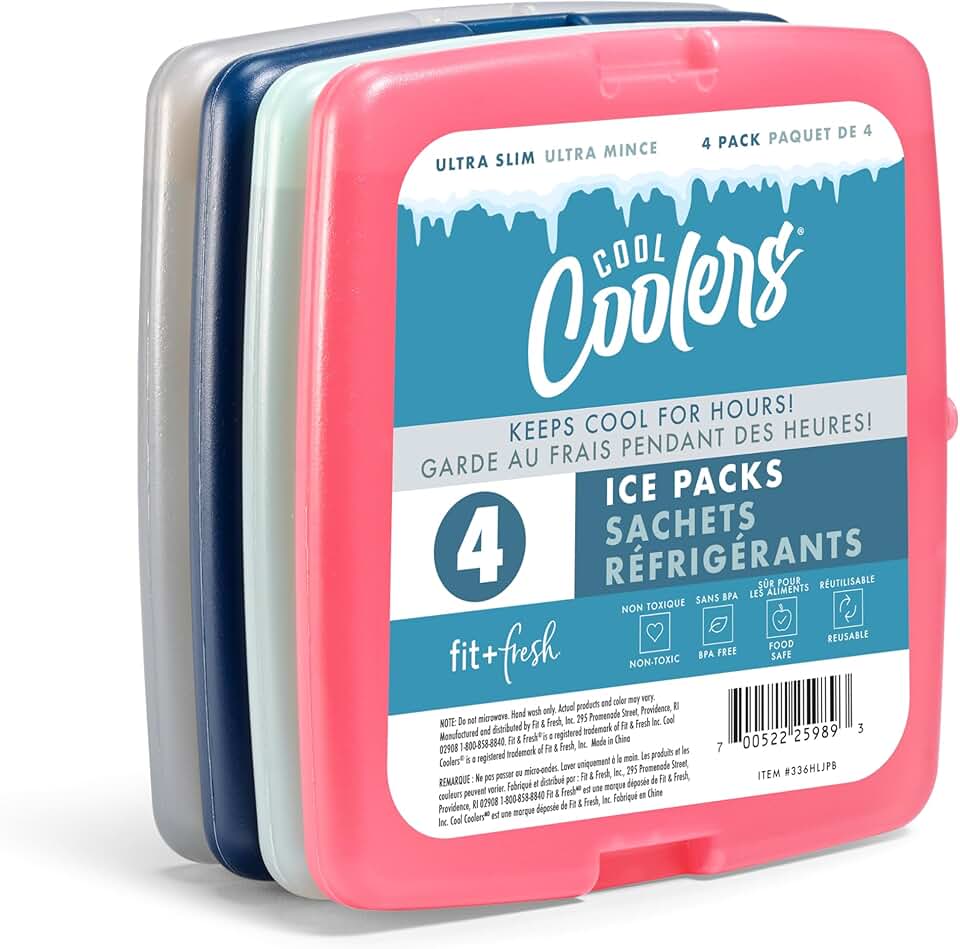
Industrial gas companies are primary sources for bulk dry ice, catering to commercial and professional needs. These suppliers often provide specialized containers and safety equipment, ensuring compliance with handling regulations. This route is best for large-scale applications like food processing or medical logistics, where consistent supply and professional guidance are critical.

4. Find supplies at ice cream shops
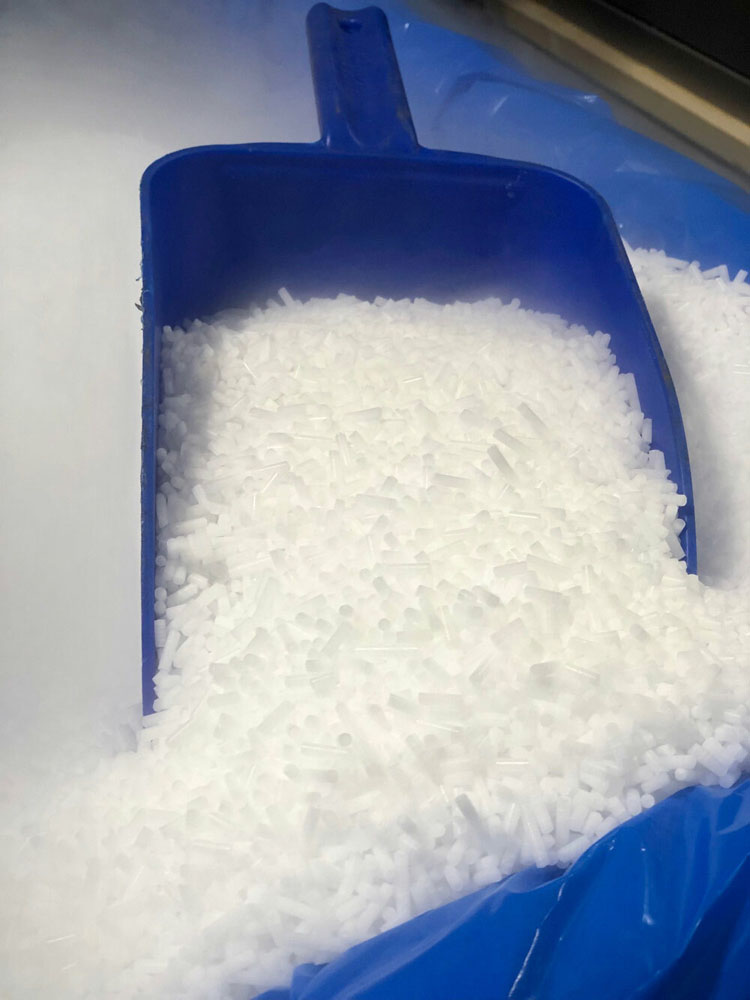
Local ice cream parlors frequently purchase dry ice to create unique frozen desserts and maintain product temperature. Some shops may sell excess blocks to customers, offering a casual and accessible purchasing option. This method works well for small quantities, but availability varies by location, so direct inquiry is essential before visiting.


5. Check with local event rental companies
Event rental firms often stock dry ice for parties, Halloween displays, and special effects productions. Contacting these businesses can reveal available inventory for short-term rentals or purchases. This option is particularly useful for organizers needing reliable supply for large gatherings, ensuring they have the necessary materials for atmospheric effects without sourcing from multiple vendors.

Where to buy dry ice locally
Finding dry ice nearby is usually a matter of knowing which aisles and departments stock it. Most major grocery chains keep it in freezers near the ice cream or frozen foods, often in a dedicated chest freezer at the front of the store. You can typically pick it up in one-pound blocks or bulk quantities, with Safeway and similar chains offering drive-up pickup for convenience.
If your local grocery store is out of stock, check with local beverage suppliers. Stores that sell soda stream accessories or carbonation supplies often carry dry ice for making sparkling drinks. You might also find it at industrial gas suppliers, which cater to restaurants and labs, though some may require a business account or minimum order.
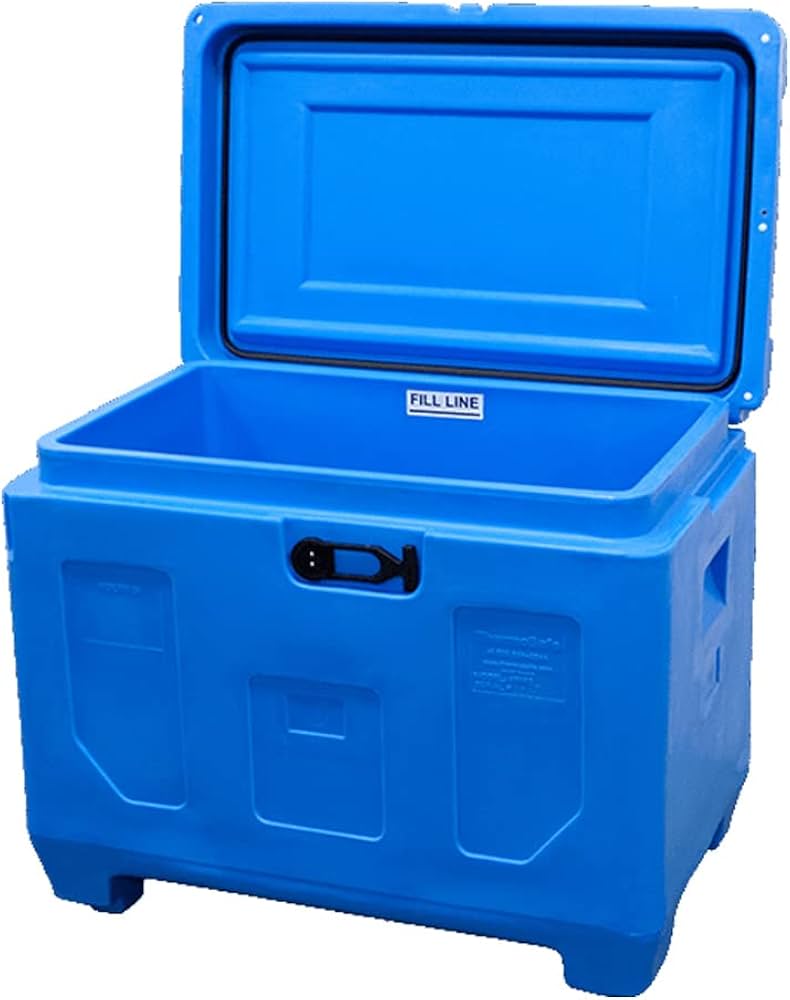
For those who need dry ice regularly or in large quantities, online retailers offer delivery options. While not "local" in the traditional sense, these services can ship dry ice in insulated containers, ensuring it stays frozen during transit. This is a reliable backup when local stores are sold out.


As an Amazon Associate, we may earn from qualifying purchases.
Find dry ice at grocery stores
Major supermarket chains are often the most convenient place to buy dry ice, but you won’t find it sitting on a regular shelf. Because it requires specialized storage, you must head straight to the frozen foods section. Look for the large, white, chest-style freezers typically used for ice cream or frozen vegetables. Dry ice is usually stored in a dedicated cooler or a separate bin within this area to maintain its sub-zero temperature.
If you don’t see it in the frozen aisle, check near the front of the store. Many larger chains, such as Safeway and Albertsons, keep a small cooler with dry ice blocks near the customer service desk or by the registers. This location allows for quick pickup and minimizes the time the dry ice spends exposed to warmer air before you can transport it. Staff members can also point you to the exact location if it’s not immediately visible.
Pricing for dry ice at grocery stores generally ranges from $1.50 to $3.00 per pound. The cost can vary depending on your region and the specific retailer, but it is typically more affordable than specialty suppliers. Keep in mind that prices may fluctuate based on demand, especially during holidays or special events. Always call ahead to confirm availability, as stock can run out quickly during peak times.
Transport dry ice safely
Dry ice sublimates rapidly, turning directly from a solid into carbon dioxide gas. This expansion creates significant pressure in confined spaces. Transporting it without proper precautions can lead to suffocation risks or damage to your vehicle’s interior. Treat dry ice with the same respect as a hazardous material, not just a cold pack.
The primary danger during transport is gas accumulation. Carbon dioxide is heavier than air and can displace oxygen in the cabin. To prevent this, you must ensure adequate ventilation. Never transport dry ice in a sealed passenger compartment or an enclosed vehicle without airflow.
1. Use a ventilated vehicle
The safest method is to use a pickup truck or a van with the tailgate or rear doors open. If you must use a standard car, keep the rear windows cracked open slightly to allow gas to escape. This simple step prevents CO2 buildup that can cause dizziness or unconsciousness.
2. Insulate, don’t seal
Place the dry ice in a cooler to slow sublimation, but never seal the lid tightly. A sealed container can build up enough pressure to explode. Leave the lid slightly ajar or use a cooler specifically designed with a pressure-release valve. This allows gas to vent safely while keeping the ice frozen longer.
3. Keep it upright and secure
Position the cooler upright on the floor of the vehicle, preferably in the trunk or cargo area. Secure it with straps or non-slip mats to prevent tipping during transit. Avoid placing it on seats or in the footwells where it could shift or block your view.
4. Wear protective gear
Always wear insulated gloves or use tongs when handling dry ice. Direct skin contact can cause severe frostbite in seconds. Long sleeves and closed-toe shoes provide additional protection against accidental spills or splashes.
5. Minimize travel time
Plan your route to get from the purchase location to your destination as quickly as possible. The longer dry ice sits, the more it sublimates. Aim to complete the transport within a few hours to maximize efficiency and safety.
Store dry ice correctly at home
Dry ice sublimates rapidly, turning from solid carbon dioxide directly into gas. To minimize this loss and keep your ice solid for transport or short-term storage, you need to treat it like a fragile asset that requires strict thermal management. The goal is simple: slow down the phase change.
Use a high-quality Styrofoam cooler with a tight-sealing lid. Unlike a standard soft-sided cooler, Styrofoam provides superior insulation against ambient heat. Leave the lid slightly ajar to allow gas to escape; sealing it completely creates dangerous pressure buildup that can cause the container to rupture.
Handle the dry ice with thick insulated gloves or heavy tongs. Never use bare hands, as the -78.5°C temperature can cause instant frostbite. Place the dry ice inside the cooler, surrounded by items you need to keep frozen, such as meats or frozen meals. This arrangement helps maintain the cold environment while protecting the ice from direct air exposure.
Store the cooler in a well-ventilated area, such as a garage or trunk, but never in a sealed living space or passenger cabin. Carbon dioxide gas is heavier than air and can displace oxygen, leading to asphyxiation in confined spaces. Use the dry ice within 24 hours for best results, as sublimation continues even in optimal conditions.
-
Use a Styrofoam cooler with a tight lid
-
Leave the lid slightly open to vent gas
-
Wear insulated gloves or use tongs
-
Keep in a ventilated area, not a sealed room
-
Use within 24 hours to minimize loss
Frequently asked questions about dry ice
Dry ice behaves differently than regular ice, which creates specific safety and logistical questions for buyers. Understanding these constraints helps you plan your purchase and storage correctly.
Work through 2026 Guide: Where to Buy Dry Ice, Safe Storage Tips, and 5 Viral Dry Ice Experiments
No comments yet. Be the first to share your thoughts!