

The cooling challenge in e-commerce
As more people shop online, shipping logistics have to keep up with goods that spoil. It isn't just about speed anymore; it's about temperature. I've seen a massive spike in direct-to-consumer shipments for things like fresh steaks, insulin, and lab samples that can't handle a warm delivery truck.
This shift is driven by changing consumer habits. People expect the same quality and freshness when ordering online as they’d find in a local store. They want that perfectly chilled bottle of wine, those flash-frozen berries, or that critical medication to arrive in optimal condition. Failing to meet these expectations leads to returns, negative reviews, and ultimately, lost business.
The “cold chain” – the temperature-controlled supply chain – is becoming increasingly complex and expensive to maintain. Traditional cooling methods, like gel packs, often fall short. They have limited duration, can be heavy, and may not provide consistent temperature control over long distances. Plus, they often require additional insulated packaging, adding to both cost and environmental concerns. It’s a tough problem, and businesses are actively searching for more reliable and efficient solutions.
How dry ice works
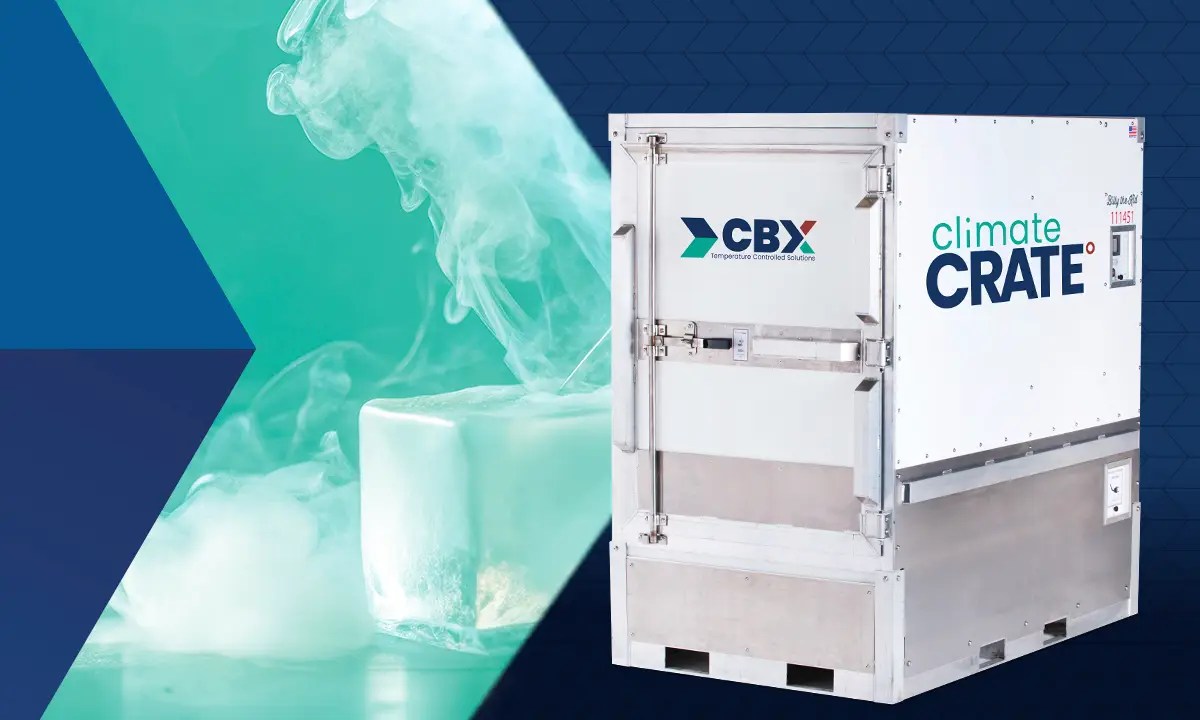
Dry ice is solid carbon dioxide. It stays at -109.3°F and doesn't melt into a puddle. Instead, it turns straight back into gas. This is a huge advantage for shipping because you don't have to worry about soggy cardboard or water damaging the product.
Because of its extremely low temperature, dry ice is incredibly effective at keeping things frozen. It’s also odorless, non-toxic (though contact can cause burns – more on that shortly), and doesn’t leave any residue behind. However, it’s essential to handle dry ice with care. According to the New York State Department of Health, direct skin contact can cause frostbite, and it should always be used in a well-ventilated area to prevent CO2 buildup.
The Cornell Environment, Health and Safety department stresses the importance of proper handling. They recommend using insulated gloves and avoiding confined spaces. The CO2 released during sublimation displaces oxygen, which can be dangerous. Interestingly, dry ice isn’t manufactured; it’s a byproduct captured from industrial processes, like ammonia or ethanol production, making it a repurposed resource.
Why dry ice demand is growing
Several key trends in e-commerce are driving increased demand for dry ice in shipping. The meal kit delivery service industry, for example, is projected to continue its substantial growth. Companies like Blue Apron and HelloFresh rely heavily on keeping ingredients fresh during transit, and dry ice provides a reliable solution for multi-day shipments.
Perhaps even more significantly, personalized medicine is on the rise. This includes temperature-sensitive pharmaceuticals, gene therapies, and even at-home diagnostic kits. These products often require extremely precise temperature control – often much colder than standard refrigeration – to maintain their efficacy. Dry ice offers a level of consistency that other cooling methods struggle to achieve.
Online grocery shopping is also expanding rapidly, and consumers are demanding a wider range of fresh and frozen products. This includes not just produce and meats, but also specialty items like artisanal cheeses and imported seafood. Dry ice allows retailers to meet this demand by extending the shelf life and maintaining the quality of these perishable goods during shipping. There’s also a growing consumer interest in sustainable packaging, and the fact that dry ice utilizes a CO2 byproduct is a point in its favor.
Dry ice is lighter than gel packs, which helps keep shipping costs down. Since it stays cold longer, there is less risk of a shipment spoiling if a driver gets stuck in traffic or a delivery is delayed by a few hours.
Storage and logistics
Using dry ice effectively requires careful planning and attention to detail. Proper storage is paramount. Dry ice should always be stored in a well-ventilated area, as it releases carbon dioxide gas as it sublimates. An insulated container is essential to slow down the sublimation process and maximize its cooling power. Never store dry ice in an airtight container, as the pressure buildup could cause it to rupture.
Determining the right amount of dry ice for a shipment depends on several factors, including the size of the package, the desired temperature, and the duration of transit. There are online calculators and charts available to help estimate the required amount, but it’s always better to overestimate slightly than to risk a temperature excursion. A general rule of thumb is 5-10 pounds of dry ice for a small insulated container.
Logistical considerations are also crucial. Sourcing dry ice near distribution centers can significantly reduce shipping costs and transit times. Managing inventory effectively is important to ensure a consistent supply. And, of course, it’s essential to comply with all relevant shipping regulations, including those set by the Department of Transportation. Proper training for personnel handling dry ice is non-negotiable.
Climate-Controlled Shipping Options: A Comparison for 2026 E-commerce
| Criteria | Dry Ice | Gel Packs | Refrigerated Containers |
|---|---|---|---|
| Temperature Range | Very Low - Maintains extremely cold temperatures | Cooling - Limited to lower temperature ranges | Precise Control - Wide range of adjustable temperatures |
| Duration of Cooling | Shorter - Sublimation limits duration; requires careful planning | Moderate - Duration depends on pack size and insulation | Longest - Maintains temperature for extended periods with power |
| Cost | Moderate - Cost of dry ice plus specialized packaging | Lower - Generally less expensive than dry ice | Highest - Significant upfront and operational costs |
| Weight | Heavier - Adds substantial weight to shipments | Lighter - Less weight impact on shipping costs | Bulky/Heavy - Significant weight and size, especially for larger units |
| Sustainability | Lower - CO2 emission during sublimation; disposal considerations | Moderate - Reusable options available, but production impacts exist | Better - Potential for long-term use and reduced waste with proper maintenance |
| Product Suitability | Temperature Sensitive - Ideal for pharmaceuticals, biological samples, and food requiring deep freezing | Cooling Required - Suitable for items needing moderate cooling like some food or beverages | Broad Range - Versatile for a wide variety of temperature-sensitive goods |
| Handling & Safety | Requires careful handling due to risk of frostbite and asphyxiation | Relatively Safe - Lower risk, but still requires proper packaging | Standard Logistics - Generally handled within standard shipping procedures |
Qualitative comparison based on the article research brief. Confirm current product details in the official docs before making implementation choices.
Is dry ice worth the cost?
The cost-effectiveness of dry ice depends on a variety of factors. The purchase price of dry ice varies by location and supplier, but typically ranges from $2 to $4 per pound. Storage costs can be minimal if you have adequate on-site facilities, but specialized freezers may be required for long-term storage. Handling costs include the labor involved in packaging and managing the dry ice.
Perhaps the most significant cost to consider is the potential for spoilage. If the temperature control fails, the value of the shipment could be lost. Compared to gel packs, dry ice can be more expensive upfront, but it offers superior temperature control and a longer duration, potentially reducing the risk of spoilage. Refrigerated transport is another option, but it’s typically more expensive for smaller shipments.
Factors like shipment size, distance, and temperature requirements all play a role in determining the overall cost-effectiveness. For small, time-sensitive shipments requiring ultra-low temperatures, dry ice is often the most economical solution. For larger shipments over shorter distances, gel packs or refrigerated transport might be more appropriate. A thorough cost-benefit analysis is essential before making a decision.
New tech in the cold chain
While dry ice remains a reliable cooling solution, several emerging technologies are poised to complement or even replace it in the future. Phase-change materials (PCMs), for example, can absorb and release large amounts of heat as they change state, providing a consistent temperature for extended periods. Reusable cooling packs utilizing PCMs are becoming increasingly popular.
Active temperature-controlled packaging incorporates sensors and heating/cooling elements to actively regulate the temperature inside the package. These systems are more expensive than dry ice, but they offer a higher level of precision and control. Advancements in sustainable dry ice production methods are also being explored, such as capturing CO2 directly from the air, which could further reduce its environmental impact.
Finally, the increasing use of real-time temperature monitoring and data analytics is playing a crucial role in optimizing cold chain logistics. Sensors can track the temperature of shipments throughout their journey, providing valuable insights into potential problems and allowing for proactive interventions. This data can also be used to improve packaging designs and optimize shipping routes.



No comments yet. Be the first to share your thoughts!