

What dry ice actually is
Dry ice is solid carbon dioxide (CO₂), not frozen water. While regular ice melts into liquid at 32°F (0°C), dry ice sublimates—turning directly from solid to gas—at -109.3°F (-78.5°C). This process leaves no liquid residue, making it ideal for temporary refrigeration and visual effects like fog. Because the gas expands significantly during sublimation, proper ventilation is critical when handling it indoors.
Gear up before handling
Dry ice sits at -109.3°F (-78.5°C), causing instant frostbite upon skin contact. Standard kitchen gloves, latex, or winter gloves offer zero protection. Always wear thick, insulated cryogenic gloves and safety goggles to shield your eyes from potential shards or bursts of cold gas.

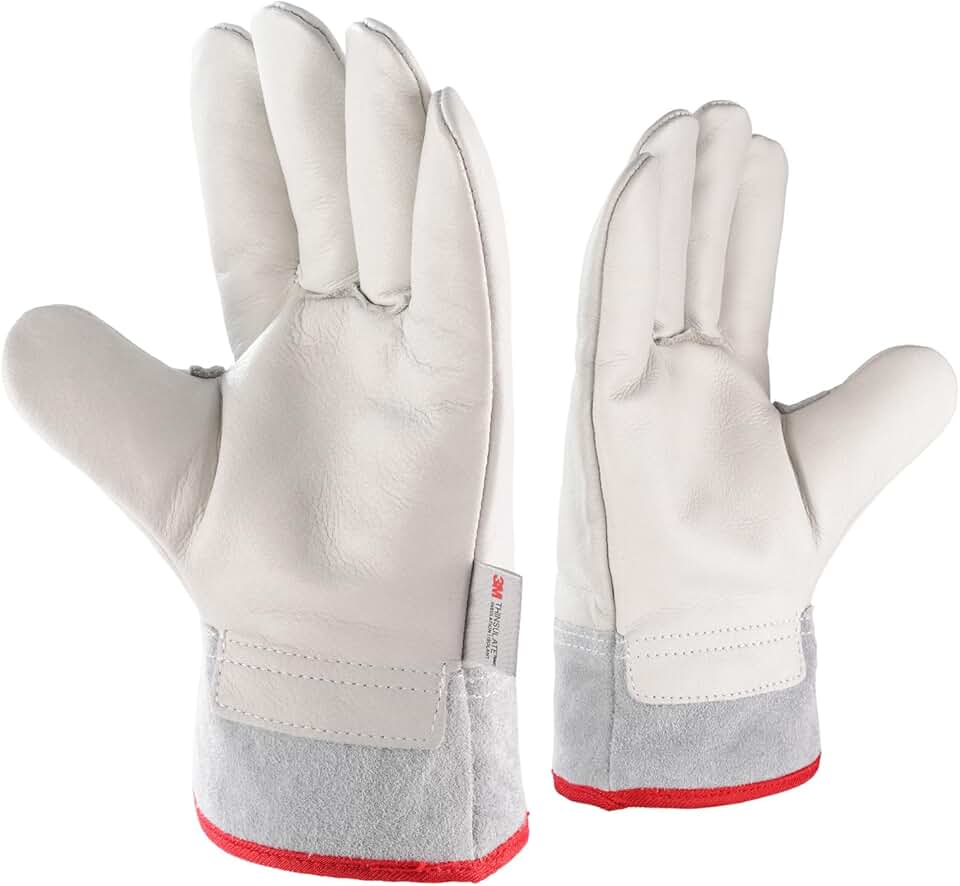

As an Amazon Associate, we may earn from qualifying purchases.
Cut and move dry ice safely
Breaking a large block of dry ice requires a specific workflow to avoid injury. Treat the material with the same caution as a sharp blade or heavy object.

Clear a flat, sturdy surface outdoors or in a well-ventilated area. Dry ice sublimates into carbon dioxide gas, which can displace oxygen in small, unventilated rooms. Ensure you have a hammer or mallet ready and a thick towel or cardboard to place under the block to stabilize it.

Place the dry ice block on the towel or cardboard. Do not place it directly on a hard floor or countertop, as the impact can damage the surface and cause the ice to shatter unpredictably. If the block is very large, consider having a second person hold a steady hand near (but not touching) the block to guide your aim.
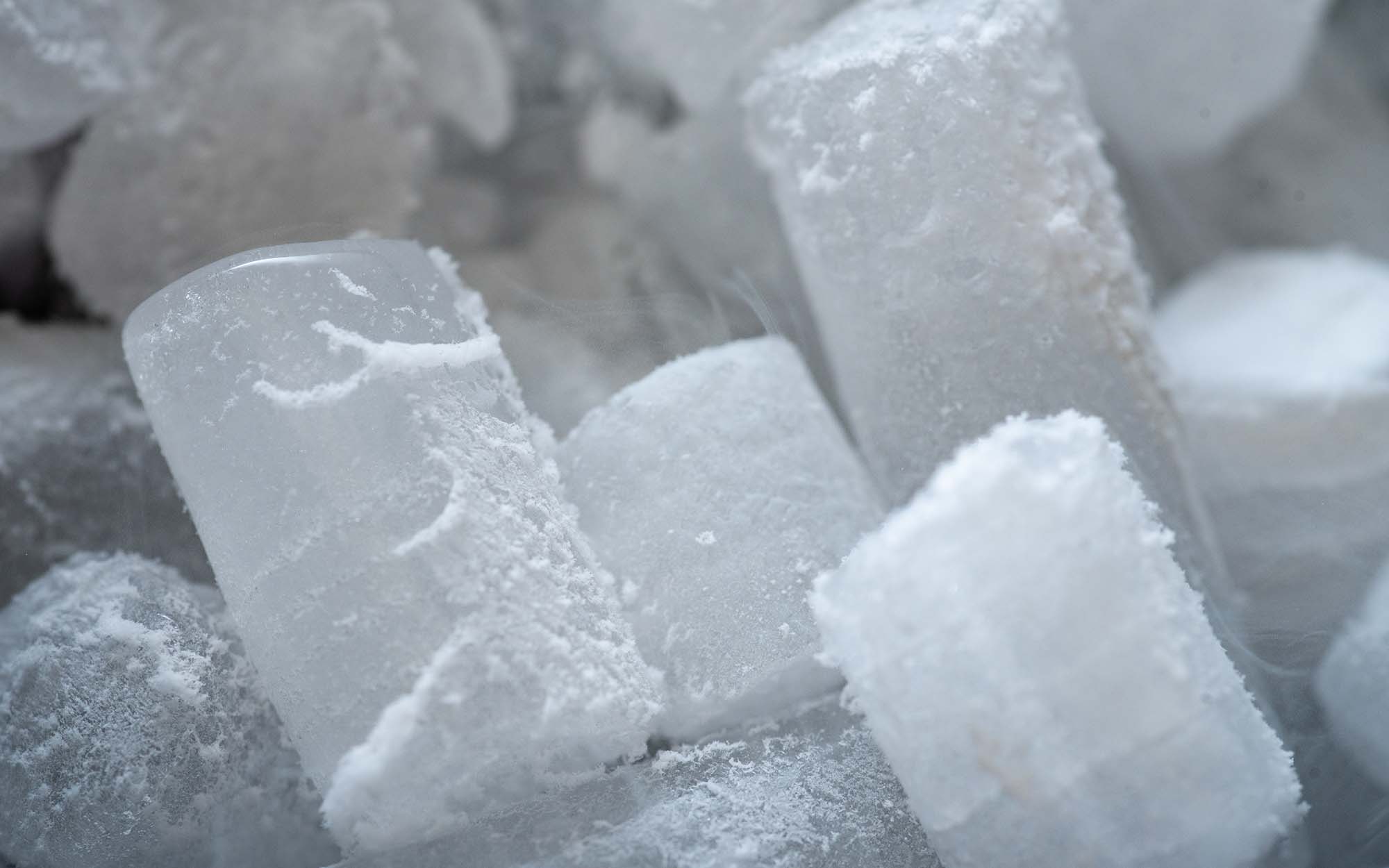
Using the hammer, strike the edge or corner of the block firmly. Do not try to chop through the center immediately; dry ice is brittle and will fracture along stress lines. Aim for the edges to break off smaller, manageable chunks. Let the ice do the work; excessive force can cause dangerous shrapnel.

Once you have pieces of the desired size, use tongs or your gloved hands to move them. Place them immediately into your insulated container or cooler. Do not leave them on the work surface for long, as they will continue to sublimate and shrink rapidly. Store any unused portions in a ventilated cooler.
Always handle dry ice with respect. If a piece sticks to your glove, do not pull it off violently; let it sublimate or shake it off gently. Never seal dry ice in an airtight container, as the expanding gas can cause the container to burst.
Store dry ice to extend life
Dry ice sublimates at a rate of 5 to 10 pounds per day when left exposed to room air. To slow this process, create a barrier against ambient heat while allowing gas to escape. The goal is to keep the solid carbon dioxide in its frozen state for as long as possible, typically extending its lifespan from a few hours to up to 24 hours depending on insulation quality.
Use a Styrofoam cooler
A standard Styrofoam cooler is the most effective household container for storing dry ice. The thick foam walls provide excellent thermal resistance, significantly slowing the sublimation rate compared to plastic bins or metal coolers. If you have a high-quality hard-sided cooler with thick insulation, it can also work, but Styrofoam remains the gold standard for temporary storage.
Leave the lid slightly ajar
This is the most critical safety rule. Never seal the container airtight. As dry ice sublimates, it turns into carbon dioxide gas, which expands significantly. If trapped in a sealed container, this pressure buildup can cause the lid to burst or the container to explode. Leave the lid loose or use a towel to prop it open just enough to allow gas to vent while minimizing heat transfer. This simple step prevents dangerous pressure accumulation while keeping the cold inside.
Limit opening frequency
Every time you open the cooler to retrieve a block, warm air rushes in, accelerating sublimation. Plan your usage to minimize access. If you need to store dry ice for multiple days, keep the cooler in a cool, well-ventilated area away from direct sunlight and heat sources like ovens or radiators. Avoid placing it in your car’s trunk for extended periods, as engine heat and ambient temperatures can rapidly degrade the ice.
Handle with care
Always wear insulated gloves or use tongs when handling dry ice, even when storing it. Direct skin contact can cause severe cold burns (frostbite) in seconds. Place the cooler in a well-ventilated area, such as a garage or basement, rather than a sealed living space. While the venting lid prevents explosion, large amounts of CO2 gas can still displace oxygen in small, enclosed rooms, posing a suffocation risk.
Where to buy dry ice
You can pick up dry ice at most grocery stores, specialty ice suppliers, or through online retailers. The best option depends on how much you need and how quickly you need it.
Grocery stores
Many large grocery chains sell dry ice in the freezer aisle. It is usually available in block form, which lasts longer than pellets. Look for the frozen foods section, often near the ice cream or pre-packaged meats. Call ahead to confirm stock, as availability varies by location.
Specialty ice suppliers
Local ice dealers often carry dry ice in larger quantities. This is a good option if you need more than a few pounds for a large event or shipping. They may also offer delivery services, saving you the trip.
Online retailers
Online sellers ship dry ice in insulated containers. This is convenient for remote locations or when local stores are out of stock. However, shipping fees can be high, and dry ice degrades during transit. Order only when you are ready to use it immediately upon arrival.
Comparison of purchasing options
| Source | Best For | Availability | Cost |
|---|---|---|---|
| Grocery Stores | Small batches, immediate use | Varies by store | Standard |
| Ice Suppliers | Large events, bulk needs | Local only | Moderate |
| Online Retailers | Remote areas, convenience | Nationwide | High (shipping) |

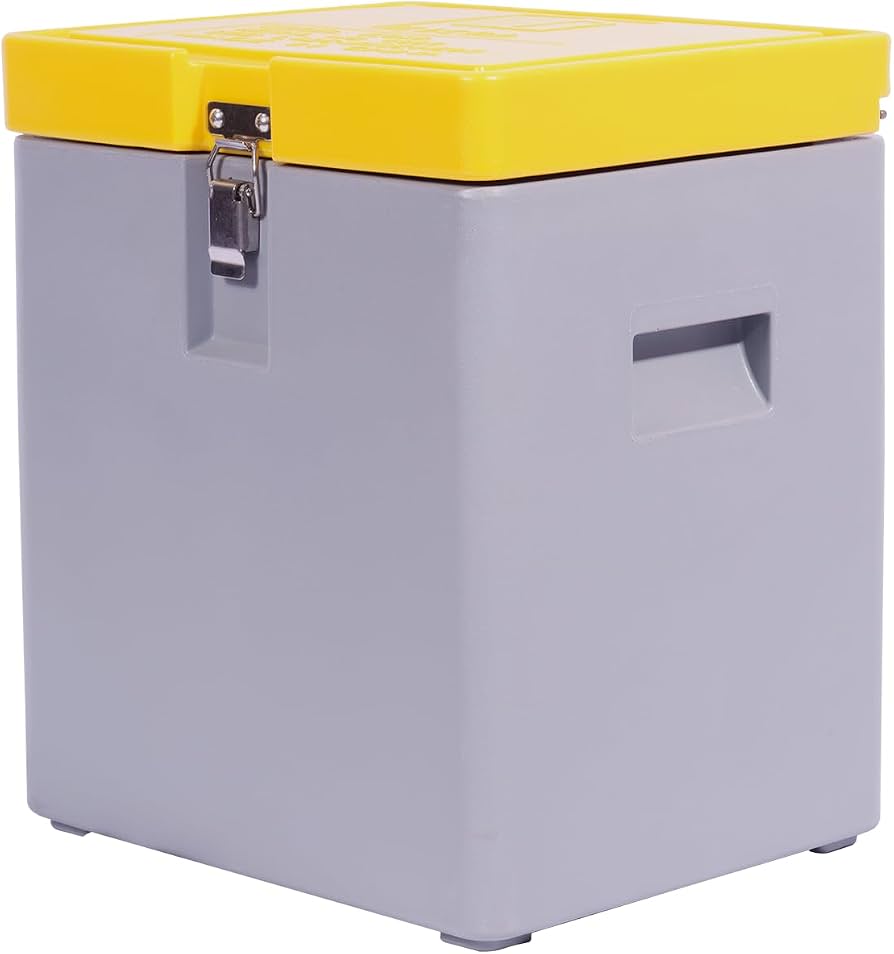

As an Amazon Associate, we may earn from qualifying purchases.
Common dry ice mistakes to avoid
Even with proper gloves, it is easy to make critical errors when handling dry ice. These mistakes can turn a simple task into a safety hazard or ruin your food. Avoid these pitfalls to keep your home safe and your supplies effective.
Touching it with bare hands
Never pick up dry ice with your fingers. The block is -109.3°F (-78.5°C), and direct contact causes instant frostbite, similar to touching a hot stove. Always use thick oven mitts, tongs, or a towel. If you must carry it for a short distance, hold it with tongs or place it in an insulated container immediately.
Sealing it in airtight containers
Do not store dry ice in a sealed cooler, plastic bin, or glass jar. As it sublimates, it turns into carbon dioxide gas, which expands significantly. In a closed space, this pressure builds rapidly and can cause containers to burst or explode. Always keep lids loose or use containers designed with pressure-release vents.
Using it in unventilated rooms
Carbon dioxide is heavier than air and can displace oxygen. Avoid using large amounts of dry ice in small, windowless rooms or enclosed cars. Ensure there is adequate airflow to prevent the buildup of invisible, odorless gas that can lead to dizziness or suffocation risks.
Dry Ice Safety Checklist
Before handling dry ice, verify you have the right gear and space. This quick checklist ensures you are prepared for the cold and the gas.
- Insulated gloves: Wear heavy-duty gloves or use tongs. Never touch dry ice with bare skin.
- Ventilation: Use it in a well-ventilated area. Carbon dioxide displaces oxygen in enclosed spaces.
- Storage container: Keep it in an insulated cooler. Do not seal the lid tightly to prevent pressure buildup.
- Workspace: Clear a flat, dry surface. Keep pets and children away from the area.
No comments yet. Be the first to share your thoughts!