

Where to buy dry ice locally
Finding dry ice in person is straightforward if you know where to look. The most common place to purchase dry ice is at the freezer section of major grocery stores. Many large chains, such as WinCo Foods, Fred Meyer, and Smart & Final, stock Penguin dry ice. These retailers typically sell it in one-pound blocks or larger quantities, with prices ranging from $2.99 to $5.00 per pound depending on your region and the store's specific pricing model.
If your local grocery store does not carry dry ice, industrial supply stores are the next best option. Welding supply shops and hardware stores often have dry ice on hand for use in cooling applications or for cleaning services. These locations are particularly useful if you need larger quantities, such as 50-pound blocks, which are less common in standard grocery freezers.
To ensure you don't make a wasted trip, it is wise to call ahead. Dry ice availability can fluctuate based on demand and supply chain issues. Some stores may only have pellet or block form available at certain times of day. Calling the store's freezer department directly will confirm current stock levels and help you plan your purchase accordingly.
Buying dry ice online and shipping options
When local ice houses or grocery stores are out of stock, ordering dry ice online is the most reliable backup. Services like Dry Ice Delivered ship to all 50 states, allowing you to select the exact weight needed for your project. The delivery window is typically 24 to 48 hours, which requires careful timing to ensure the ice hasn’t sublimated before it arrives.
Shipping dry ice requires specialized packaging to maintain the -109.3°F temperature during transit. Standard cardboard boxes are insufficient; you need high-density foam coolers or heavy-duty insulated shipping containers. These containers act as thermal barriers, slowing down the sublimation process so your ice arrives solid.

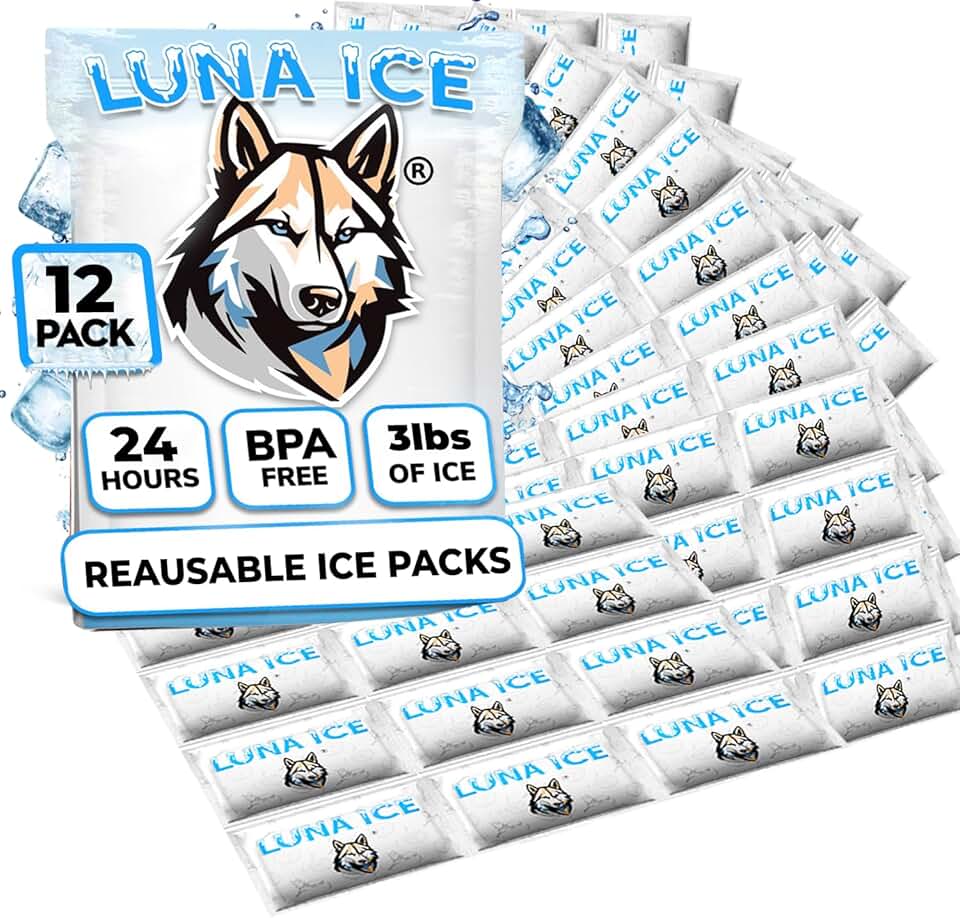
As an Amazon Associate, we may earn from qualifying purchases.
Pairing the ice with reusable gel bricks is a smart efficiency move. These packs act as thermal mass, stabilizing the internal temperature of your cooler. If you are shipping perishable goods, they provide a backup cooling layer that extends the life of your dry ice significantly.
Dry ice forms and sizes explained
Dry ice comes in three main physical forms, each designed for specific cooling needs. Choosing the right shape affects how long the ice lasts and how easily it fits into your cooler or packaging. Understanding these differences helps you buy exactly what you need, whether you are packing a shipment or cooling drinks for a party.
Blocks
Blocks are large, solid slabs of frozen carbon dioxide. They sublimate (turn directly from solid to gas) more slowly than smaller forms because they have less surface area relative to their volume. This makes them ideal for long-term storage or shipping items that need to stay frozen for days. You typically buy blocks by the pound from industrial gas suppliers or specialized dry ice vendors.
Pellets
Pellets are small, cylindrical pieces, often 3/8 inch in diameter. They are the most versatile form because they flow easily into cooler corners and around irregular items. Because they have a higher surface area, they sublimate faster than blocks but stay cold longer than thin slices. Many grocery stores and gas stations sell pellets because they are easy to handle and store in standard coolers.
Slices
Slices are thin, flat sheets of dry ice. They sublimate very quickly, making them best for short-term use or when you need rapid cooling. They are less common in retail settings and are often used in industrial cleaning or specific medical applications. If you need immediate, intense cooling for a short window, slices are a practical choice, but they require careful handling due to their large surface area.
Comparison of dry ice forms
Use this table to compare the primary characteristics of each dry ice form.
How to Store and Handle Dry Ice Safely
Dry ice is carbon dioxide frozen at -109.3°F (-78.5°C). It doesn’t melt into water; it sublimates directly into gas. This process makes it incredibly effective for cooling, but also potentially dangerous if mishandled. Proper handling prevents frostbite and ensures your ice lasts as long as possible.
Safe Handling Steps

Always wear heavy, insulated gloves or use tongs when touching dry ice. Skin contact causes immediate frostbite, similar to a severe burn. Never use bare hands, even for a few seconds.

Dry ice sublimates into carbon dioxide gas, which can displace oxygen in enclosed spaces. Always store and transport it in a well-ventilated area, such as the trunk of a car with windows cracked open, not inside a sealed vehicle or small room.
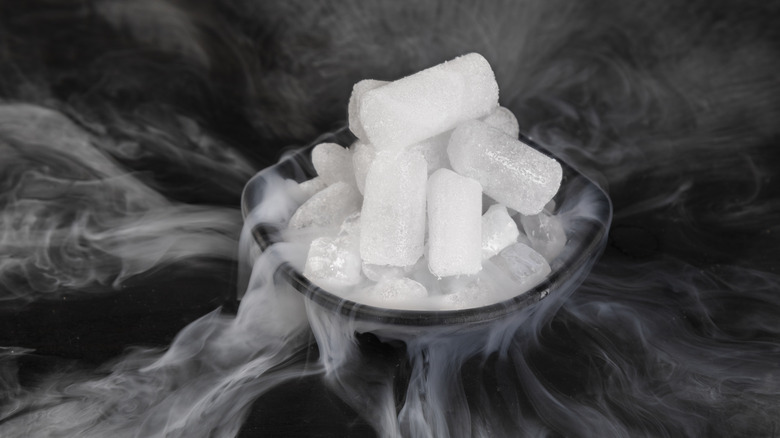
To slow sublimation, keep dry ice in an insulated cooler. Do not store it in an airtight container, as the buildup of gas pressure can cause the container to burst or explode. Leave the lid slightly ajar or use a cooler designed specifically for dry ice.
Quick Safety Checklist
Before you purchase or transport dry ice, review this list to ensure you are prepared:
-
Insulated gloves: Thick, heavy-duty gloves are non-negotiable.
-
Ventilation: Ensure your transport vehicle has airflow.
-
Container: Use a styrofoam or specialized dry ice cooler.
-
Time: Plan to use the ice within 24 hours for best results.
By following these simple guidelines, you can safely enjoy the benefits of dry ice for your events, shipments, or experiments without risking injury or waste.
Common uses for dry ice
Dry ice is a versatile tool for anyone needing intense cold without the mess of melting water. Its ability to reach -109°F (-78°C) makes it ideal for keeping perishables frozen during transport or preserving biological samples for science projects.
For event planners, dry ice creates dramatic fog effects for parties or themed gatherings. It also serves as a reliable shipping solution for temperature-sensitive goods, ensuring food safety during long-distance delivery. Unlike regular ice, it sublimates directly into gas, leaving no liquid residue behind.
If you need to preserve fresh produce or ship medical supplies, choosing the right packaging is critical. Understanding the difference between making your own and buying pre-formed blocks can save time and money.
Frequently asked questions about buying dry ice
Is dry ice sold at grocery stores?
Yes, many major grocery chains sell dry ice in their freezer sections. Brands like Penguin Dry Ice are widely available at retailers such as Smart & Final and independent supermarkets. You usually need to call ahead to confirm stock levels, as availability varies by location.
Can you buy dry ice anymore?
Dry ice remains widely available for purchase. It is commonly sold at fuel stations, specialty ice suppliers, and large grocery chains. While supply chains have stabilized, it is still best to check local inventory before traveling to a specific store.
Can I get dry ice at Walmart?
Walmart typically does not sell dry ice directly in-store due to the specialized storage requirements. However, you can find dry ice at nearby gas stations or dedicated ice suppliers that often serve the same local communities as Walmart locations.
Can you just buy dry ice?
You can purchase dry ice in various forms, including block, pellet, or flake, depending on your needs. Most retailers offer one-pound blocks or bulk pellets. Always use insulated containers for transport, as dry ice sublimes quickly at room temperature.
No comments yet. Be the first to share your thoughts!