

Get dry ice safety precautions right
Dry ice sits at -109.3°F (-78.5°C). That extreme cold makes it a powerful tool for preservation and effects, but also a serious hazard if handled without basic precautions. Before you unwrap a block or set up a fog machine, you need to understand the physical risks: severe cold burns, asphyxiation from carbon dioxide buildup, and the explosive pressure of sublimating gas.
The first rule is simple: never touch dry ice with bare skin. Even a brief contact can cause frostbite-like injuries that feel similar to a deep burn. Always use thick insulated gloves, tongs, or a towel when handling blocks. If you don't have proper gear, skip the handling and let a professional manage the raw material.
Ventilation is equally critical. Dry ice sublimates directly into carbon dioxide gas, which is heavier than air and odorless. In a small, sealed room, this gas can displace oxygen quickly. Never store dry ice in an airtight container like a cooler without ventilation, and never keep large quantities in a living space or a sealed vehicle. Keep windows cracked or use fans to maintain airflow.
Finally, keep it out of reach of children and pets. The allure of the "smoke" can tempt curious hands, but the combination of slipping hazards, cold burns, and invisible gas makes dry ice unsafe for unsupervised play. Treat it like any other dangerous chemical—respect the cold, respect the gas, and respect the weight.
How to handle and store dry ice safely
Dry ice is carbon dioxide frozen at -109.3°F (-78.5°C). It sublimates directly into gas, which creates two distinct hazards: extreme cold that burns skin instantly, and gas expansion that can displace oxygen in enclosed spaces. Treating it like regular ice is a mistake. You need specific gear and a strict routine to manage the risks.
1. Gear up before you touch it
Never handle dry ice with bare hands. The temperature difference is severe enough to cause cryogenic burns similar to frostbite in seconds. Wear thick, insulated gloves. Oven mitts work, but purpose-made cryogenic gloves or heavy leather work gloves offer better dexterity and protection. If you don't have gloves, use long-handled tongs or a thick towel to pick up pieces. Keep your hands, face, and loose clothing away from the block until you are ready to move it.
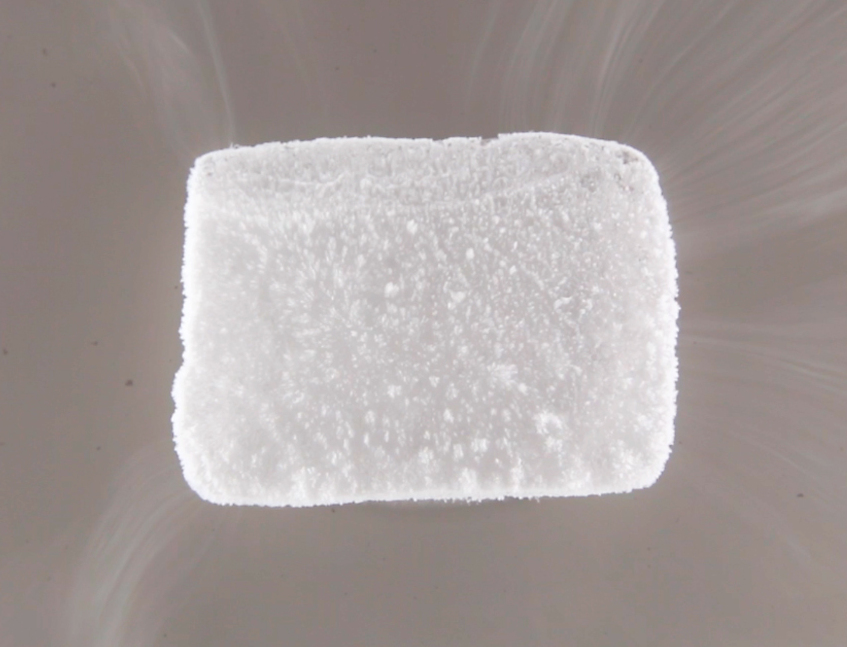
Put on thick insulated gloves before you approach the dry ice. Check for tears or thin spots in the material. If you are using tongs, ensure they are long enough to keep your fingers well away from the cold surface. This is your first and most important barrier against injury.

Transfer the dry ice into an insulated cooler or styrofoam box. Do not use an airtight container like a sealed plastic bin or glass jar. As the dry ice sublimates, it expands into gas. If the gas has nowhere to go, the pressure will build until the container bursts, potentially causing injury or property damage. Leave the lid slightly ajar or ensure the cooler has a loose fit.

Keep the container in a garage, shed, or well-ventilated room. Never store dry ice in a bedroom, living room, or inside a vehicle with the windows up. Carbon dioxide is heavier than air and can settle in low spots, displacing oxygen. Even small amounts can reduce air quality in a confined space. If you must transport it in a car, keep the trunk open or windows cracked to allow gas to escape.
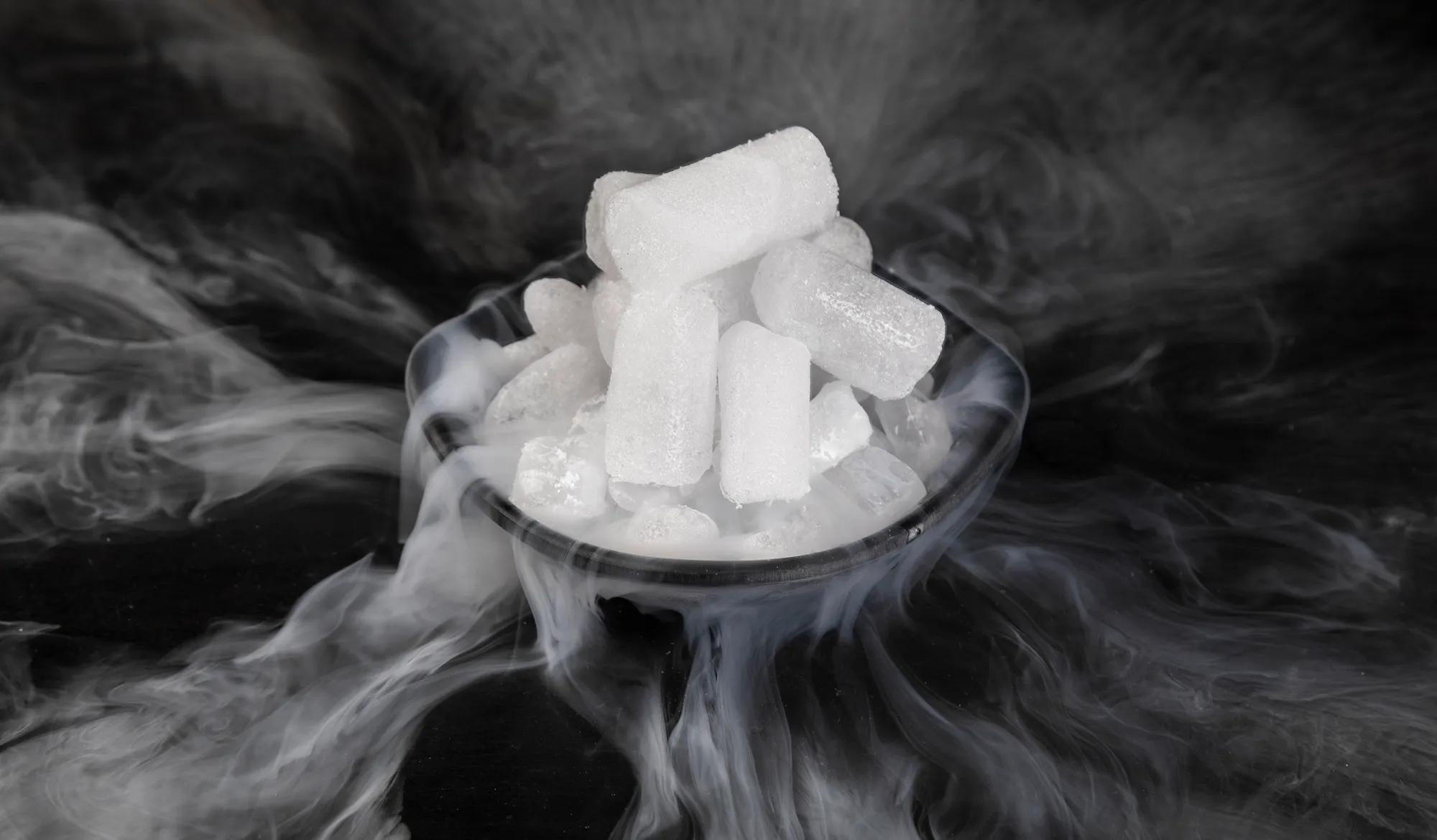
Write the purchase date and time on the outside of the cooler with a permanent marker. Dry ice sublimes at a rate of 5-10 pounds per day, depending on the cooler's quality and ambient temperature. Knowing when you bought it helps you track how much is left and when it might have fully sublimated. This also helps you avoid opening a container that has been sitting for days, which could be full of pressurized gas.
2. Avoid common mistakes
The biggest danger with dry ice is assuming it behaves like water ice. It doesn't melt; it turns into gas. This means you can't just toss it in a sealed bag and forget it. You also shouldn't try to speed up the sublimation process by breaking it apart with metal tools if you aren't wearing eye protection. Chips can fly. Keep children and pets away from the storage area. The cold can freeze skin on contact, and the gas can be harmful if inhaled in large quantities.



As an Amazon Associate, we may earn from qualifying purchases.
3. Verify safety before use
Before you open the container to use the ice, check for signs of pressure buildup. If the lid is bulging or hard to lift, do not force it open. Set it aside in a well-ventilated area and let it sit for an hour to allow the gas to escape slowly. If you smell a sharp, acidic odor or feel dizzy, leave the area immediately and get fresh air. These are signs of high carbon dioxide concentration. Once the pressure is equalized, you can safely open the cooler and remove the ice for your intended use, whether that's keeping food cold or creating fog effects.
Common Dry Ice Mistakes That Cause Injury or Loss
Even with proper gear, small errors in handling and storage lead to frostbite, asphyxiation, or wasted product. Most accidents happen because people treat dry ice like regular ice, ignoring its rapid sublimation and extreme cold.
Leaving It in an Airtight Container
Dry ice sublimates into carbon dioxide gas, expanding roughly 800 times its solid volume. Storing it in a sealed cooler or glass jar creates dangerous pressure buildup. The container can explode, sending shards of ice and glass flying. Always store dry ice in a well-ventilated cooler with the lid slightly ajar or taped loosely to allow gas to escape.
Handling It with Bare Hands
Dry ice sits at -109.3°F (-78.5°C). Touching it directly causes instant frostbite, similar to touching liquid nitrogen. Always wear insulated gloves, such as thick winter gloves or specialized cryogenic gloves. If you don’t have gloves, use tongs or a towel to pick up blocks. Never touch dry ice with bare skin, even for a second.
Storing It in a Small, Sealed Room
Carbon dioxide is heavier than air and displaces oxygen. Storing large quantities of dry ice in a small, unventilated space like a closet or car trunk can lead to CO2 buildup, causing dizziness, headaches, or suffocation. Always store dry ice in a well-ventilated area, such as a garage with the door open or a large room with windows cracked. Do not store dry ice in a fume hood without ensuring proper airflow, as noted by Cornell University’s Environmental Health and Safety department [src-serp-1].
Dry Ice Safety Precautions
Before you buy or handle dry ice, review these common safety questions. The rules are simple because the risks are immediate: extreme cold, heavy weight, and invisible gas displacement.
No comments yet. Be the first to share your thoughts!