

What dry ice actually is
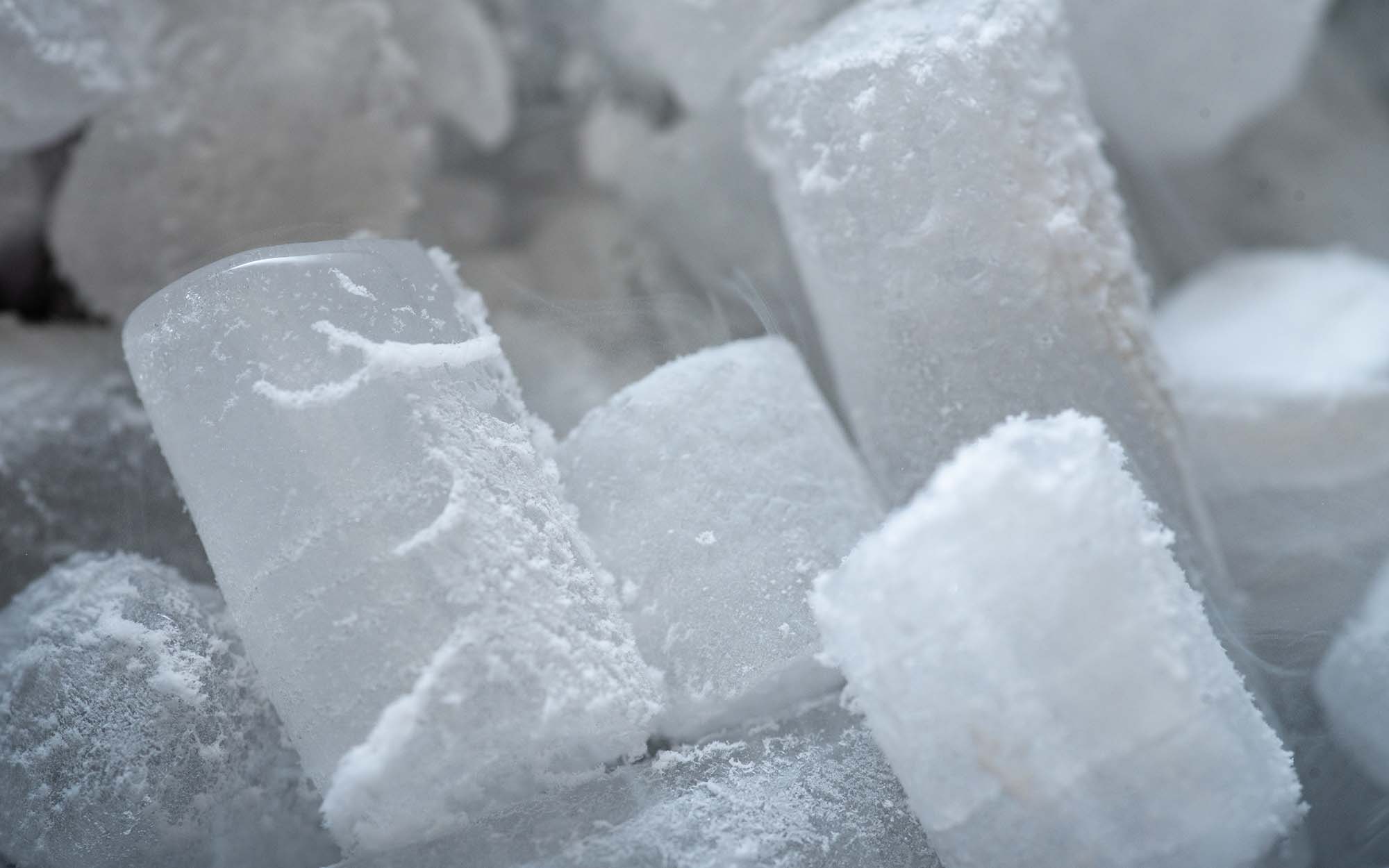
Dry ice is the solid form of carbon dioxide (CO₂), not frozen water. Unlike standard ice, it doesn’t melt into a puddle. Instead, it sublimates—transitioning directly from a solid to a gas at -109.3°F (-78.5°C). This extreme cold is what makes it so effective for temporary refrigeration, but it also creates specific safety hazards you must manage.

Because CO₂ is heavier than air, the gas produced during sublimation can settle in low-lying areas. In a poorly ventilated room, this displaces oxygen, creating an asphyxiation risk. Understanding this physical behavior is the first step in handling dry ice safely, whether you are using it for a science project or shipping perishable goods.
The safety guidelines that follow focus on preventing two main risks: frostbite from direct skin contact and pressure buildup in sealed containers. Since it never becomes liquid at normal atmospheric pressure, you don’t need to worry about spillage, but you do need to respect its rapid expansion rate.
Handle dry ice with proper gear
Dry ice sits at -109.3°F (-78.5°C). Touching it with bare skin causes instant frostbite, similar to a severe burn. The cold is so intense that it bonds to skin immediately, making it difficult to pull away without causing further damage.
To handle dry ice safely, you need a barrier between your skin and the solid carbon dioxide. Standard kitchen gloves or thin latex gloves are not enough; the cold penetrates them quickly. Instead, use thick insulated gloves, such as welder’s gloves or dedicated cryogenic gloves. If you don’t have specialized gear, use thick oven mitts as a temporary substitute, but keep your handling time short.
Use tongs or a sturdy shovel to move blocks of dry ice. This keeps your hands at a safe distance and prevents accidental contact. Never use your bare hands to pick up pieces, even for a second. Treat every piece as if it can stick to your skin instantly.

Before touching any dry ice, put on thick, insulated gloves. Welder’s gloves are ideal because they are designed for extreme heat and cold. If you only have oven mitts, ensure they are dry and thick. Do not use thin latex or nitrile gloves; they offer no protection against the extreme cold of dry ice and can trap the cold against your skin.
Use long-handled tongs or a dedicated shovel to move dry ice. This keeps your hands away from the solid carbon dioxide. If you must use your hands, keep them gloved and minimize contact time. Never pick up dry ice with bare fingers. Place the dry ice into your container or storage area using the tool, then set the tool aside.
Dry ice sublimates into carbon dioxide gas, which is heavier than air. In a small, enclosed room, this gas can displace oxygen and cause suffocation. Always handle dry ice in a well-ventilated area. Open windows or run an exhaust fan if you are breaking up large blocks or storing significant amounts indoors. Never leave dry ice in a sealed car or small bedroom for extended periods.
If you do get frostbite, do not rub the affected area. Rubbing can damage the tissue further. Instead, gently warm the area with lukewarm water (not hot) and seek medical attention if the skin turns white, gray, or yellow. For minor exposure, warm water soaks can help restore circulation. Remember, prevention is the only reliable cure for dry ice burns.
Store dry ice in an insulated cooler
To keep dry ice from vanishing too quickly, you need to treat it like a fragile, super-cold asset that is actively trying to escape its solid form. Dry ice sublimates at –78.5°C (–109.3°F), turning directly from solid to gas. This process is accelerated by heat, air circulation, and pressure changes. Your goal is to slow this transition by minimizing thermal exchange and managing the gas buildup.
The best way to store dry ice is in a high-quality styrofoam cooler or a heavy-duty insulated cooler designed for long trips. Styrofoam is particularly effective because it is a poor conductor of heat and is lightweight. If you are using a hard-sided cooler, look for one with thick insulation walls. The thicker the insulation, the slower the dry ice will sublime.
Start by placing a layer of newspaper, cardboard, or bubble wrap at the bottom of your cooler. This provides a cushion for the dry ice and adds an extra layer of insulation between the ice and the cooler’s floor. If the cooler came with a foam liner, leave it in place.
Place your dry ice blocks or pellets into the cooler. If you have multiple blocks, arrange them so they are touching each other to minimize air gaps. Air is a conductor of heat, so reducing the surface area exposed to air will slow down sublimation. If you are transporting food, place the dry ice on top of the items you want to keep frozen, as cold air sinks.

Close the lid loosely. Do not latch it or seal it tightly. You need to allow the carbon dioxide gas to escape. If you are using a hard-sided cooler with a rubber gasket, you can place a small object, like a wooden spoon or a piece of folded newspaper, in the lid to keep it slightly ajar. This prevents pressure buildup while still retaining most of the cold air.

For maximum efficiency, wrap the entire cooler in a blanket or towel. This adds an extra layer of insulation and helps protect the cooler from external heat sources, such as sunlight or a hot car trunk. Avoid using plastic bags or wraps that could trap heat or prevent ventilation.
By following these steps, you can extend the lifespan of your dry ice significantly. A well-insulated cooler with proper ventilation can keep dry ice intact for several days, depending on the ambient temperature and how often the cooler is opened. Remember, the less you open the cooler, the longer your dry ice will last.
Where to buy dry ice near you
Dry ice doesn’t last forever in storage, so sourcing it close to when you need it is the most practical approach. Most consumers will find the easiest path through local grocery stores, specialized ice suppliers, or online retailers that ship insulated packages.
Grocery stores and supermarkets
Many major grocery chains sell dry ice in the freezer aisle or at the front counter. You typically need to ask for it specifically, as it isn’t always displayed on shelves. Look for brands like Penguin Brand Dry Ice, which is available in over 5,000 locations across the country. Call ahead to confirm availability and block size, as stock levels fluctuate daily based on demand.
Specialized ice suppliers
For larger quantities or specific shapes (like pellets or blocks), industrial or medical ice suppliers are a reliable option. These vendors often cater to event planners, restaurants, or laboratories. They may offer delivery services for bulk orders, which can save you the hassle of transporting fragile dry ice in your own vehicle. Always verify their safety protocols and handling instructions before pickup.
Online retailers
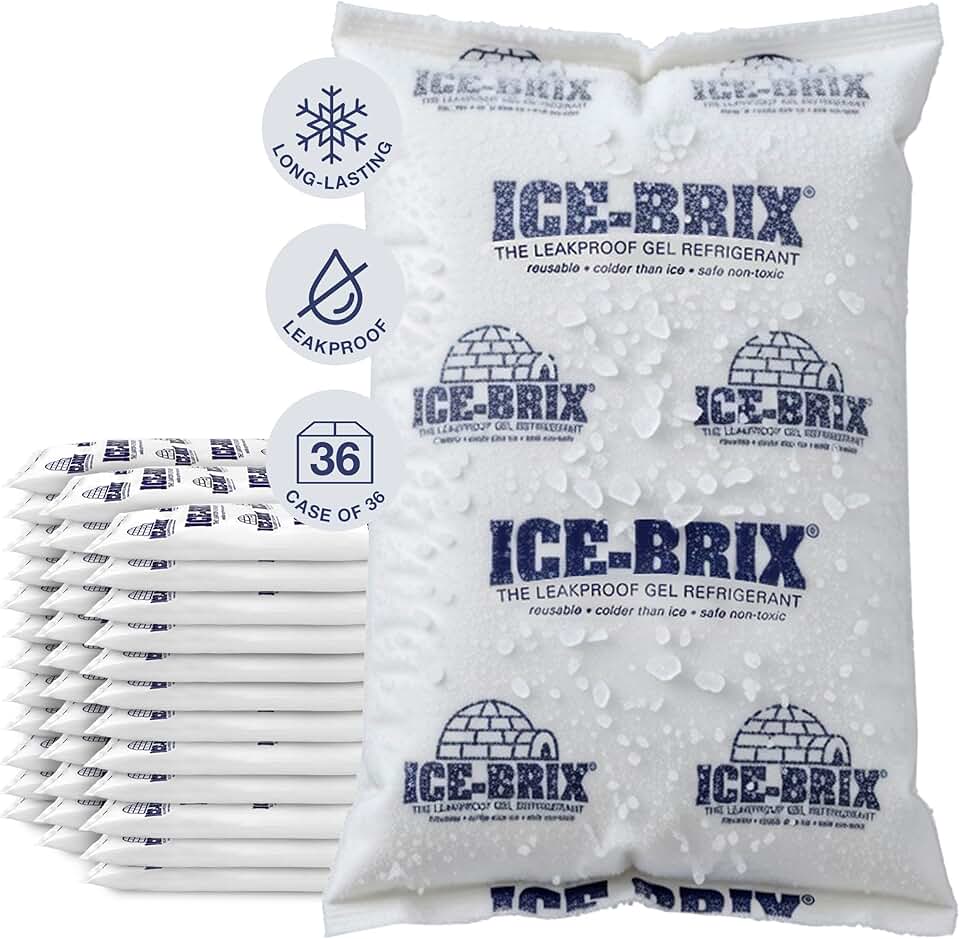
If local options are unavailable, online retailers like Amazon sell dry ice packs and sometimes solid dry ice shipped in insulated containers. This is ideal for shipping frozen foods or medications over short distances. Note that shipping solid dry ice has strict regulations due to its sublimation properties, so delivery times may vary. Check the seller’s return policy, as the product may disappear before it arrives if not properly insulated.


As an Amazon Associate, we may earn from qualifying purchases.
Common dry ice mistakes to avoid
Dry ice is solidified carbon dioxide that sublimates directly into gas, making it far more volatile than regular ice. Treating it like a standard freezer item invites injury or equipment damage. The following errors are the most frequent causes of accidents.
Touching with bare hands
Dry ice sits at -109.3°F (-78.5°C). Contact causes instant frostbite, similar to touching a hot pan. The cold binds to skin tissue so quickly that you cannot pull away in time. Always use insulated gloves or tongs when moving blocks or pellets.
Sealing in tight containers
As dry ice sublimates, it expands roughly 800 times in volume. Storing it in an airtight jar, cooler, or sealed bag creates immense pressure. The container will burst, potentially launching shards of plastic or glass. Always use a container that is vented or loosely capped to allow gas to escape.
Using in unventilated spaces
Carbon dioxide is heavier than air and displaces oxygen. In a small, closed room, sublimating dry ice can create an asphyxiation hazard. Use dry ice only in well-ventilated areas to prevent dangerous gas buildup.
No comments yet. Be the first to share your thoughts!