
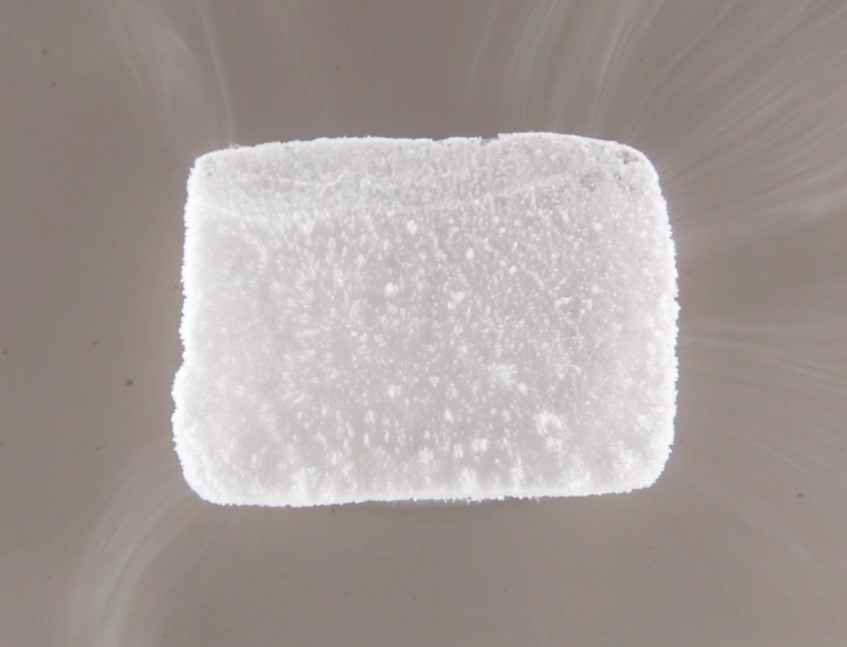

Where to buy dry ice near you
Finding a reliable source for dry ice is the first step in your project. Unlike regular ice, dry ice requires specific cold-chain logistics, so it is rarely found in standard grocery freezer aisles. Instead, look for dedicated suppliers or large retailers with industrial supply sections.
Major Retailers and Grocery Chains
Many large grocery stores carry dry ice, typically located near the bulk frozen food section. You usually need to ask a store employee to retrieve it from the back, as it is stored in freezers not open to the public. Chains like Kroger, Safeway, and Publix are common sources, but availability varies by location and time of day.
Home Depot and Lowe’s also sell dry ice, though they may stock it in the garden center or a dedicated ice house rather than inside the main store. This is often the most consistent option for bulk purchases, as these stores cater to contractors who need reliable cooling for materials or events.
Specialized Dry Ice Suppliers
For larger quantities or specific shapes (like pellets or blocks), specialized suppliers are the best choice. Companies like Penguin Brand Dry Ice supply thousands of locations across the country. You can use their store locator to find the nearest vendor. These suppliers often offer higher quality control and larger bag sizes, which is ideal for shipping or long events.
Online and Delivery Options
If you cannot find a physical store nearby, several online retailers ship dry ice using insulated packaging. While convenient, shipping costs can be high, and delivery windows are strict. Ensure you have a cooler ready to receive the package immediately upon arrival to prevent sublimation.

Transporting Dry Ice Safely
Once you purchase your dry ice, you must transport it correctly. Use an insulated cooler with the lid slightly ajar to allow carbon dioxide gas to escape. Never store dry ice in an airtight container or a sealed car trunk for extended periods, as the buildup of gas can be dangerous.


As an Amazon Associate, we may earn from qualifying purchases.
Store dry ice to minimize sublimation loss
Dry ice sublimates—turning directly from solid to gas—at a rate of 5% to 10% every 24 hours, depending on insulation quality and ambient temperature. To keep your supply from vanishing into thin air, you need to treat it like a temperature-sensitive cargo rather than a simple frozen block. The goal is to slow the phase change by limiting heat transfer and managing the expanding gas safely.
Choose an insulated container that is specifically rated for dry ice. Standard coolers work for short-term transport, but for storage, a Styrofoam cooler is the gold standard. These coolers provide thick insulation that resists heat flow far better than plastic storage bins or metal containers. Avoid airtight containers like glass jars or sealed plastic buckets; as the dry ice turns to gas, pressure builds rapidly and can cause explosions or burst seals.
Leave the lid slightly loose or prop it open with a wooden stick. This simple adjustment allows carbon dioxide gas to escape while keeping cold air trapped inside. If you seal it completely, the pressure will eventually force the lid off, releasing your dry ice and potentially damaging the container. A loose lid strikes the perfect balance between containment and safety.
Store the container in the coldest part of your home, such as a garage or basement, and keep it away from direct sunlight or heat sources. Do not place it in a refrigerator or freezer, as the appliance’s thermostat may not register the extreme cold correctly, and the dry ice could damage the unit’s components. If you must store it in a living space, ensure the room is well-ventilated to prevent carbon dioxide buildup.

Use a Styrofoam cooler or a specialized dry ice storage box. These materials provide superior insulation compared to plastic or metal, significantly slowing the sublimation process. Avoid airtight containers to prevent pressure buildup.
Line the bottom of the cooler with crumpled newspaper or a layer of dry ice itself. This creates a thermal barrier that protects the contents and stabilizes the internal temperature. Wrap the dry ice in newspaper if it is in large blocks to reduce surface area exposure.
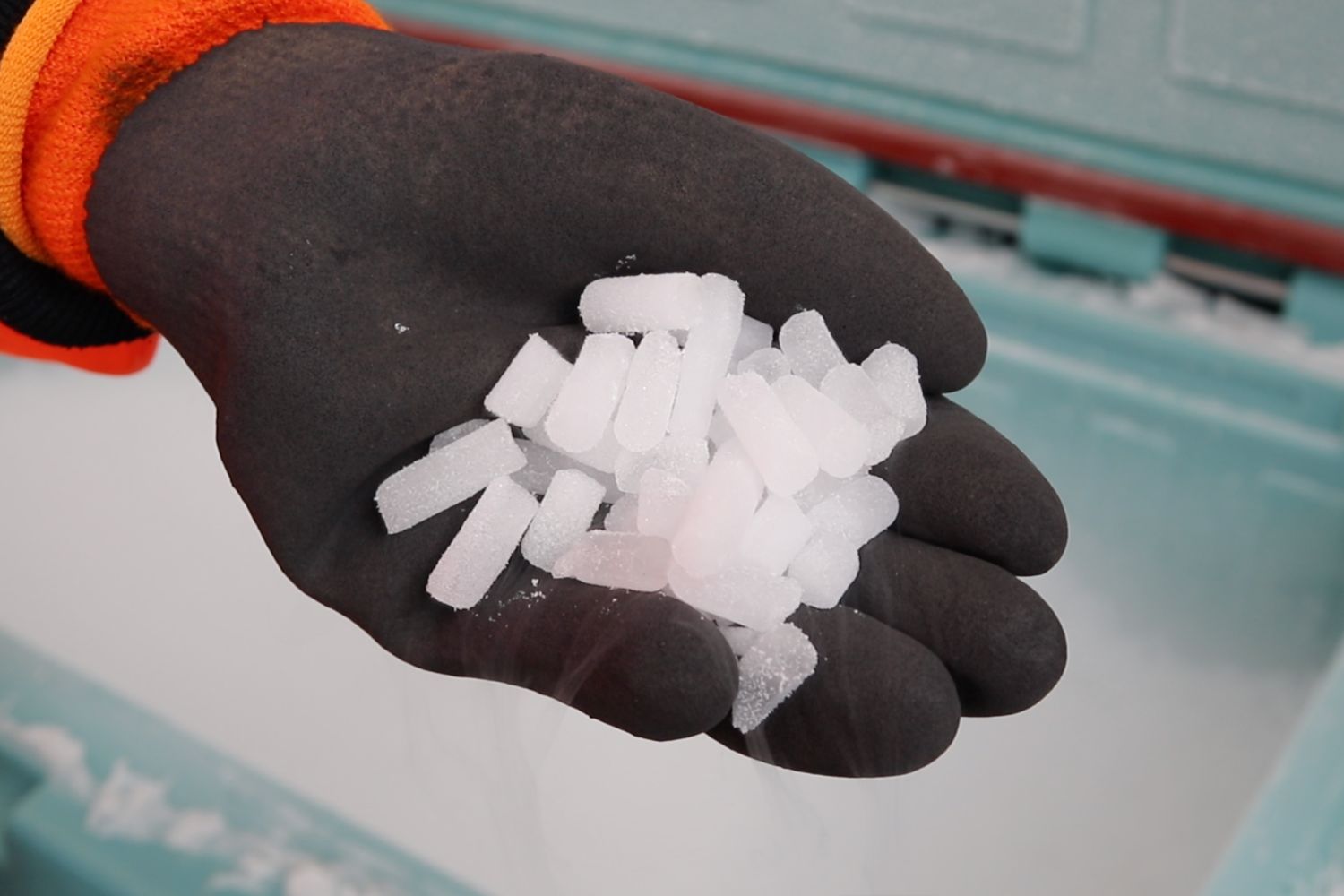
Place your items inside and cover them with more newspaper or insulation. Close the lid but do not latch it tightly. Prop it open slightly with a stick or leave a small gap to allow carbon dioxide gas to escape safely.

Keep the cooler in a garage, basement, or other cool, dry space. Avoid direct sunlight and heat sources. Ensure the room is well-ventilated to prevent carbon dioxide accumulation, which can displace oxygen in confined spaces.
Dry ice safety precautions you must follow
Dry ice is solidified carbon dioxide that sits at approximately -109°F (-79°C). It is not ordinary ice, and treating it as such leads to serious injury. The two primary hazards are immediate tissue damage from extreme cold and the invisible displacement of oxygen by carbon dioxide gas as the dry ice sublimates.
Always wear heavy, insulated gloves and safety goggles when handling dry ice. The cold is so intense that it can cause frostbite on contact with skin within seconds. Long sleeves and closed-toe shoes are also necessary to protect against accidental spills. Never touch dry ice with bare hands, and avoid using thin latex or cloth gloves, which can freeze to the surface and tear off skin.
Carbon dioxide gas is heavier than air and settles in low-lying areas. In small, unventilated spaces like a car trunk or a small basement, dry ice can rapidly displace breathable oxygen. This creates a silent, odorless hazard that can lead to unconsciousness or suffocation without warning.
Store dry ice in an insulated cooler, but never seal it airtight. The sublimation process generates significant pressure that can cause the container to burst. Use a lid that is loosely placed or a cooler specifically designed with a pressure-release valve. If you must use a standard cooler, leave the lid slightly ajar to allow gas to escape while maintaining the cold temperature.
Safe Dry Ice Experiments and Uses
Dry ice offers more than just preservation; it provides dramatic visual effects and powerful cleaning capabilities when handled correctly. These applications rely on the rapid sublimation of carbon dioxide, turning solid directly into gas to create fog or dislodge grime.
Creating Fog Effects
The classic "smoke" effect seen in Halloween decorations or theatrical productions is simply cold carbon dioxide gas condensing water vapor in the air. To achieve this safely, place small chunks of dry ice into a basin of warm water. The temperature difference accelerates sublimation, creating a dense, low-lying fog that rolls across the floor. Never seal dry ice in airtight containers during this process, as the expanding gas can cause explosions. Ensure the area is well-ventilated to prevent carbon dioxide buildup.
Dry Ice Blasting for Cleaning
For industrial or heavy-duty home cleaning, dry ice pellets serve as an abrasive medium. Dry ice blasting uses compressed air to shoot pellets at high speeds against surfaces. The thermal shock and kinetic energy remove paint, grease, and mold without leaving secondary waste, as the dry ice sublimates upon impact. This method is non-conductive and non-abrasive to most substrates, making it ideal for cleaning electrical components or delicate machinery. Always wear protective eyewear and gloves when operating blasting equipment to shield against high-pressure air and cold particles.
Dry ice storage and safety checklist
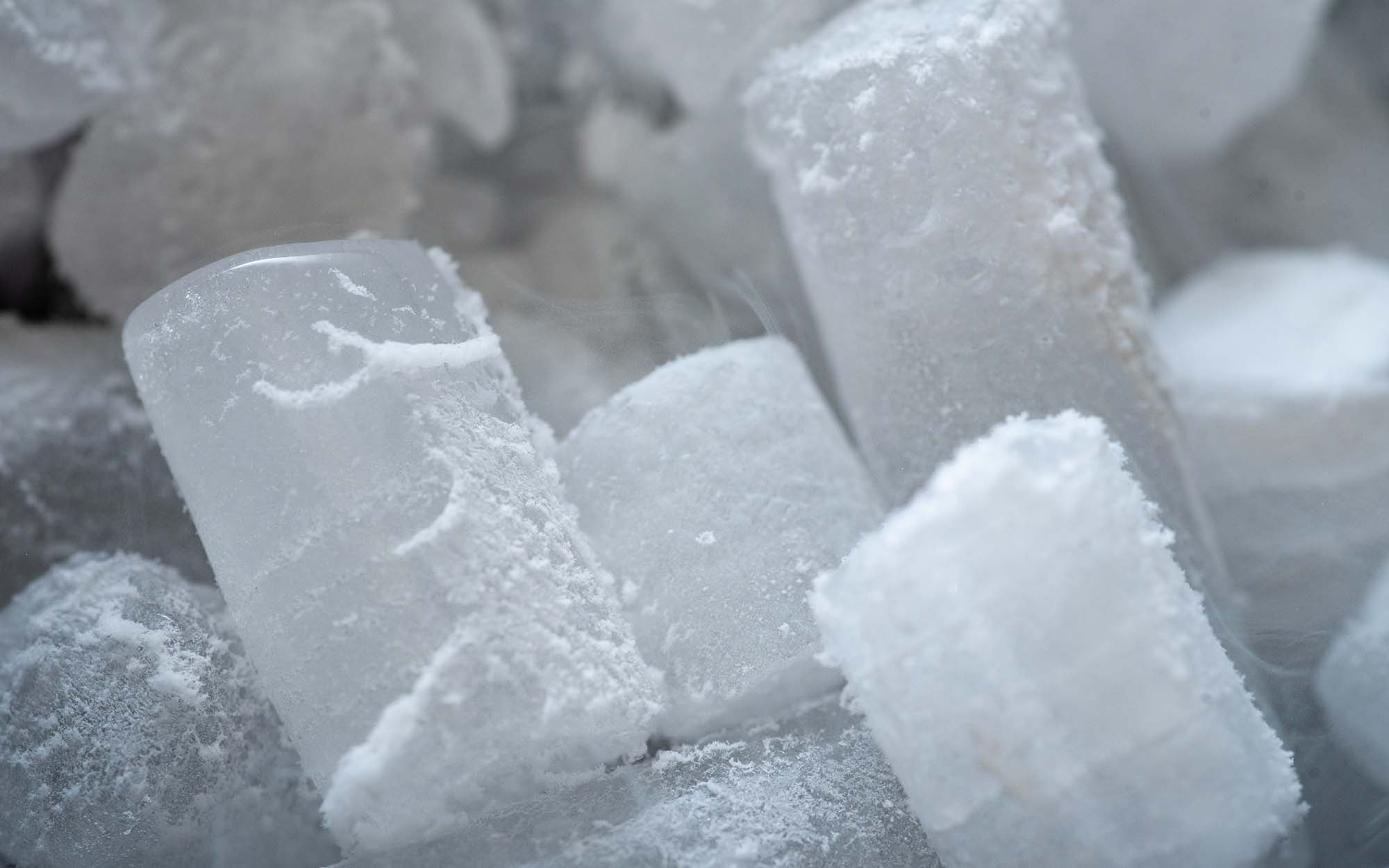
Before you transport or store Dry Ice, run through this quick safety sequence. These steps prevent frostbite, suffocation risks, and unnecessary product loss.
-
Store in a well-ventilated area to prevent CO₂ buildup
-
Use a cooler with loose-fitting lid to allow gas escape
-
Wear insulated gloves and eye protection when handling
-
Keep away from children and pets
-
Do not seal in an airtight container
Dry ice sublimates directly into carbon dioxide gas. This gas is heavier than air and can displace oxygen in confined spaces. Always ensure your storage area has adequate airflow to keep you and your family safe.
Can I buy dry ice in Home Depot?
Yes, you can buy dry ice at Home Depot, but availability varies significantly by location and season. While many larger Home Depot stores stock dry ice—typically in 100-pound blocks or pellets—some locations may not carry it due to storage constraints or lower demand.
The best approach is to call your local store’s freezer department directly. Ask specifically for dry ice availability and the current price per pound. If your local Home Depot does not have it in stock, they may be able to place a special order or direct you to a nearby supplier.
If you cannot find dry ice locally, consider alternative sources. Many ice supply companies and some grocery stores sell dry ice. Online retailers like Amazon also offer dry ice delivery for larger orders, though you must ensure proper insulation during transit to prevent sublimation.
No comments yet. Be the first to share your thoughts!