
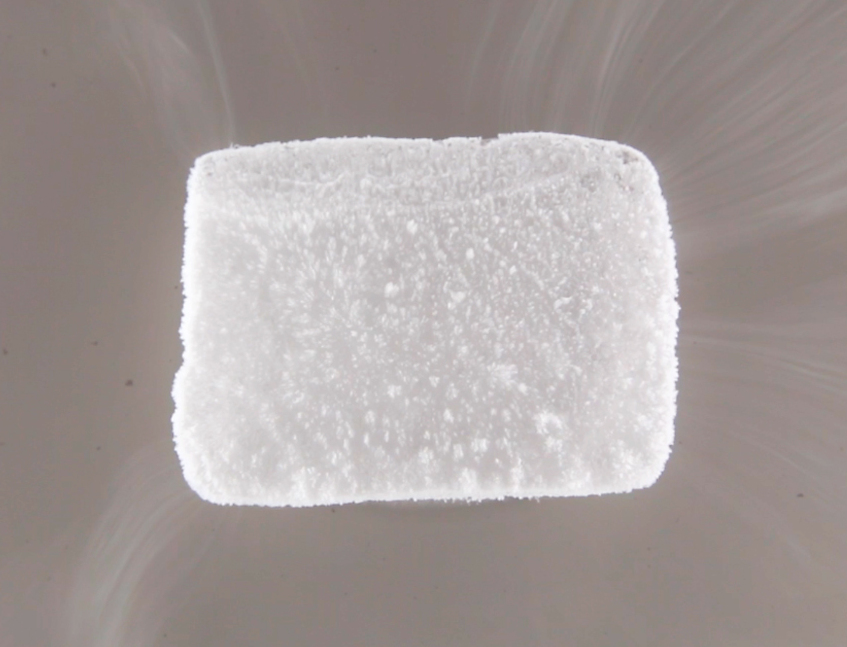

Where to buy dry ice near you
Finding a reliable source for dry ice is the first step in your event or shipping prep. Unlike regular ice, you cannot simply grab it from a grocery freezer. Most dry ice is produced by industrial gas suppliers or specialized dry ice manufacturers who distribute to local retailers.
Start by checking with local supermarkets. Many larger grocery chains with dedicated seafood or meat departments sell dry ice in blocks or pellets. Call ahead, as stock varies daily based on demand. If your local store doesn't carry it, look for nearby gas stations or convenience stores that serve as distribution points for regional dry ice producers. The Penguin Brand Dry Ice locator is a useful resource for finding authorized vendors in your area.
Prices typically range from $1.00 to $3.00 per pound, depending on your location and the form you choose (pellets are often slightly more expensive than blocks). Most retailers require you to bring your own insulated cooler to transport the dry ice safely. Some suppliers, like Cee Kay Supply, include a hazmat fee in their pricing, so ask about total costs before purchasing.




As an Amazon Associate, we may earn from qualifying purchases.
Store dry ice in an insulated cooler
Dry ice sublimates, turning directly from solid to gas. This process happens faster at room temperature, so storing it in an open container or a standard refrigerator is ineffective. To keep your dry ice solid for as long as possible, you need an insulated cooler. A high-quality styrofoam cooler is the most common and effective choice for short-term storage. These coolers trap the cold air inside, slowing the sublimation rate significantly.
The way you pack the cooler matters just as much as the cooler itself. Fill any empty space with crumpled newspaper or towels. Air gaps allow warm air to circulate, accelerating the melting process. Packing the dry ice tightly minimizes these gaps. If you are storing it for transport, wrap individual blocks in newspaper before placing them in the cooler for an extra layer of insulation.
Do not seal the cooler airtight. As dry ice sublimates, it releases carbon dioxide gas. In a sealed container, this gas builds up pressure, which can cause the lid to pop off or the cooler to burst. Leave the lid slightly ajar or use a cooler with a vent. This allows the gas to escape safely while keeping the cold air trapped inside the container.

Select a cooler made of thick insulation material. Styrofoam is ideal because it is lightweight and retains cold temperatures better than plastic coolers. Ensure the lid closes securely but does not need to be forced shut.

Place the dry ice inside and fill all voids with crumpled newspaper or towels. This prevents air circulation that speeds up sublimation. If you have multiple blocks, stack them directly on top of each other with minimal gaps.
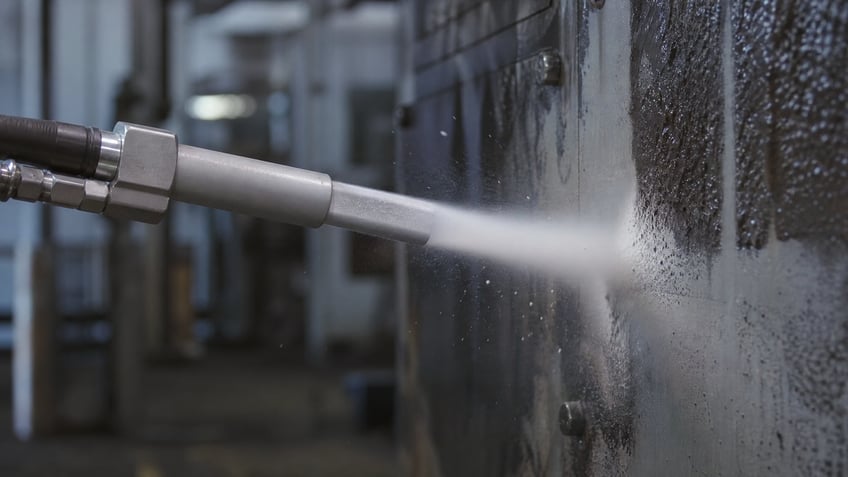
Do not seal the lid completely. Carbon dioxide gas expands significantly as it forms. Leaving the lid cracked open or using a vented cooler prevents dangerous pressure buildup while keeping the interior cold.
Store the cooler in a well-ventilated area, such as a garage or trunk, rather than inside your home or a closed car. Carbon dioxide is heavier than air and can displace oxygen in small, enclosed spaces. Never store dry ice in a bedroom, bathroom, or living area. If you must move it in a vehicle, keep the windows cracked to ensure proper airflow.
Handle Dry Ice with Proper Safety Gear
Dry ice sits at -109.3°F (-78.5°C). That temperature is cold enough to cause instant frostbite if it touches your skin. When handling Dry Ice, you must treat it like a sharp tool or a hot pan. The risk is immediate and physical, not theoretical.
Always wear insulated gloves. Standard kitchen gloves or wool mittens are not enough. You need thick, insulated gloves designed for extreme cold, or use tongs to pick up blocks. Never use bare hands, even for a few seconds. The moisture on your skin can freeze to the dry ice, sticking it to your flesh and causing deeper tissue damage.
Protect your eyes from the dense fog. When dry ice sublimates, it releases carbon dioxide gas, which pushes oxygen out of the air. In a poorly ventilated space, this can lead to dizziness or suffocation. Always keep your head out of the immediate vapor cloud and work in a well-ventilated area.
Safety Gear Checklist
Before you buy or transport your block, ensure you have these items ready:
-
Insulated gloves (rated for extreme cold)
-
Tongs or a sturdy shovel for lifting
-
Safety goggles (optional but recommended if breaking blocks)
-
A well-ventilated vehicle for transport
Use Dry Ice for Cooling or Effects
Dry ice serves two main purposes: keeping things cold and creating visual fog. Its extreme cold makes it superior to regular ice for temporary refrigeration, while its rapid sublimation creates dense clouds when it meets water.
Cooling Applications
Dry ice is the go-to choice for transporting perishables that need to stay frozen without thawing. Because it is colder than standard ice, it keeps food safe for longer periods during road trips or camping trips. It also works well for shipping medical supplies or biological samples that require strict temperature control.
For home use, fill your cooler with dry ice blocks before packing food. Place the ice on top and around the items, not just at the bottom. This ensures even cooling. Remember to leave the cooler slightly ajar to allow carbon dioxide gas to escape, preventing pressure buildup.
Creating Fog Effects
The dramatic fog seen in movies comes from dry ice sublimating in warm water. The cold carbon dioxide gas sinks and condenses the water vapor in the air, creating a thick, low-lying cloud. This effect is popular for Halloween decorations, stage performances, and themed parties.
To create fog safely, drop small pieces of dry ice into a bucket of warm water. The fog will roll out over the edges, staying close to the ground. For a more intense effect, use a larger quantity of dry ice and a deeper container. Always perform this activity in a well-ventilated area to avoid carbon dioxide accumulation.
Common dry ice questions answered
You likely have specific questions before you head to the store or start your project. Here are the most frequent queries regarding Dry Ice, answered directly.
No comments yet. Be the first to share your thoughts!