

How to Buy Dry Ice Safely and Effectively
Before you head to the store or schedule a delivery, verify that the vendor actually stocks dry ice and can meet your timeline. Unlike regular ice, dry ice sublimates rapidly, so availability is often limited to specific shifts or pre-order slots. Calling ahead or checking online inventory prevents wasted trips, especially at grocery stores and Walmart locations where stock fluctuates daily.
You must also prepare the right equipment for transport and storage. Dry ice requires an insulated container, such as a Styrofoam cooler, to slow sublimation. Plastic bags are unsafe because extreme cold can make them brittle and cause them to shatter. Always use thick gloves or tongs to handle the ice; direct skin contact causes frostbite in seconds.
Finally, check your vehicle’s ventilation. Never store dry ice in a sealed trunk or cabin for extended periods, as the rising carbon dioxide gas can displace oxygen. Keep the container slightly open to allow gas to escape while maintaining insulation. If you plan to buy dry ice online, verify that the shipping method includes adequate insulation for next-day delivery to ensure it arrives solid.


As an Amazon Associate, we may earn from qualifying purchases.
Step-by-Step Guide to Buying Dry Ice
Buying dry ice requires planning because it sublimes (turns directly into gas) and disappears within 24 to 48 hours. You cannot store it in a standard freezer or airtight container. Follow this sequence to secure your supply without risking frostbite or suffocation.

Dry ice is not a standard grocery item. Most supermarkets sell it only in limited quantities, if at all. Check with local meat markets, pizza shops, or dedicated ice suppliers. Philadelphia Dry Ice offers online ordering with next-day delivery or pickup options, which is often more reliable than hunting for a single block at a corner store. Call ahead to confirm they have your desired form—blocks, pellets, or slices—available for your pickup time.

Because dry ice production is energy-intensive and inventory turns over quickly, walk-in availability is unpredictable. Many suppliers now allow you to reserve specific quantities online. If you cannot find a local vendor, some regional companies ship dry ice in insulated containers. Ensure the delivery window is tight so the ice does not sublimate during transit. Order only what you need for your immediate event or experiment.

You must transport dry ice in a well-ventilated vehicle, such as the trunk of a sedan or the back of a pickup truck. Never transport dry ice in a closed passenger compartment. Carbon dioxide gas is heavier than air and can displace oxygen, leading to dizziness or unconsciousness. If you must use a car with a sealed cabin, keep windows cracked open slightly to allow gas to escape. Bring a cooler or insulated bag to keep the ice frozen during the short drive home.
Dry ice sits at -109.3°F (-78.5°C). Direct skin contact causes instant frostbite, similar to a severe burn. Always wear thick, insulated gloves or use tongs when handling the ice. If you do not have specialized gloves, heavy winter work gloves are a minimum requirement. Never use bare hands, thin latex gloves, or paper towels to move dry ice. Protect your eyes as well, as sublimating gas can cause discomfort if inhaled directly or splashed with condensed moisture.
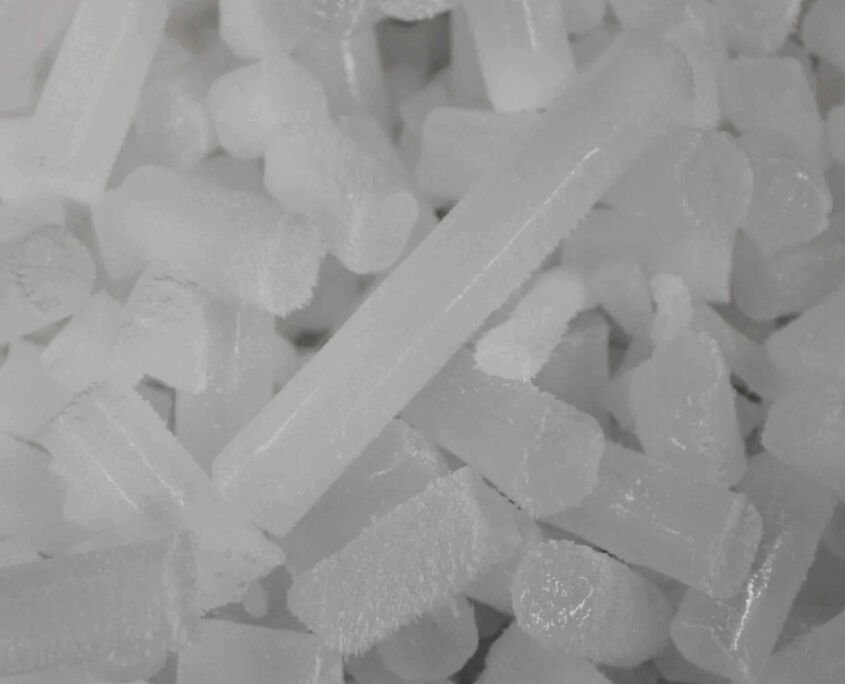
Dry ice loses roughly 5 to 10 percent of its weight per day in a standard cooler. For a weekend event, buy enough for the first day and plan to restock if necessary. Do not buy a massive block a week in advance; it will vanish. For shipping or long-term cooling needs, consider reusable gel ice packs instead, which do not sublimate and can be refrozen indefinitely.

Once home, place the dry ice in an insulated cooler. Leave the lid slightly ajar or use a cooler specifically designed for dry ice. Never seal the lid tightly; the pressure from expanding carbon dioxide gas can cause the cooler to burst or explode. Store the cooler in a well-ventilated area like a garage or shed, not in a bedroom or living space. The ice will last 24 to 48 hours depending on the cooler's quality and ambient temperature.
Common Mistakes to Avoid
Buying dry ice is straightforward, but handling it incorrectly can ruin your ice, damage your car, or create a safety hazard. Most home users make the same preventable errors, usually driven by impatience or a lack of context about how dry ice behaves.
Here are the most frequent mistakes and how to avoid them.
Buying too much for the timeline Dry ice sublimates at a rate of 5 to 10 pounds per day in a standard cooler. If you plan to keep it for a 24-hour event but buy a 20-pound block, you will likely run out within 12 hours. Calculate your needs based on the actual duration of the event, not the maximum capacity of your cooler. Buy only what you will use within 24 hours of purchase.
Storing it in an airtight container A common instinct is to seal dry ice in a plastic bag or airtight bin to keep the cold in. This is dangerous. As dry ice turns into carbon dioxide gas, the pressure builds rapidly. In a sealed container, this can cause the lid to blow off or the container to rupture. Always store dry ice in a well-ventilated cooler with the lid slightly ajar or loosely closed to allow gas to escape.
Touching it with bare hands Dry ice is -109.3°F (-78.5°C). Direct contact causes instant frostbite, similar to touching a hot stove. Always use tongs, thick insulated gloves, or a towel when handling dry ice. If you must carry a block, wrap it in a thick towel first. Do not use thin plastic gloves, as they can freeze to the dry ice and tear off skin.
Putting it in the freezer Do not store dry ice in a standard home freezer. The extreme cold can damage the freezer’s seals and thermostat. More importantly, the freezer’s insulation is not designed for sublimation gas, leading to rapid loss of the dry ice. Keep it in a dedicated Styrofoam cooler until you are ready to use it.
No comments yet. Be the first to share your thoughts!