


Where to buy dry ice locally
Finding a reliable spot to buy dry ice usually starts with your nearest grocery store. Major chains like Safeway, Kroger, and Publix stock dry ice in bulk blocks, typically kept in freezers near the checkout lanes or in the back of the store. Because inventory fluctuates daily based on demand, calling ahead to confirm availability and pricing saves a wasted trip. This is the most common and convenient way to buy dry ice for everyday needs like shipping perishables or creating fog effects.
For specialized applications or larger quantities, industrial gas suppliers and welding supply shops are excellent alternatives. Stores like Airgas or local welding centers often carry dry ice in pellets, pellets, or large blocks, which are better suited for scientific projects, industrial cleaning, or long-term storage. These suppliers may offer more consistent stock levels than grocery stores, though prices can vary based on volume.
If you cannot find dry ice nearby, online retailers offer a convenient solution. While shipping dry ice requires specialized insulated packaging, several vendors deliver directly to your door. This option is ideal if you live in a rural area without access to major grocery chains or industrial suppliers. Just remember to plan your order well in advance to account for shipping times and ensure the dry ice arrives before it sublimates.
Buying dry ice online for delivery
When local suppliers are unavailable, buying dry ice online for delivery offers a reliable alternative, though it requires careful planning to manage sublimation. Because dry ice transitions directly from solid to gas at -109.3°F (-78.5°C), it cannot be shipped via standard ground services that take several days. Instead, retailers use expedited shipping methods, often overnight or two-day delivery, to ensure the product arrives while still frozen. This logistical constraint means you must order with enough lead time to coordinate a direct handoff upon arrival.
Most online vendors, such as specialty gas suppliers like Cee Kay Supply, require you to purchase a compatible cooler along with the dry ice. This is not optional; dry ice must be stored in an insulated container to survive transit. These suppliers typically charge a base price per pound, plus a hazmat fee for handling hazardous materials. For example, pricing might look like $1.60 per pound with a flat $6.95 hazmat fee, making larger orders more cost-effective per unit. Always check the specific packaging requirements of the vendor, as some may provide the cooler for free, while others charge separately.
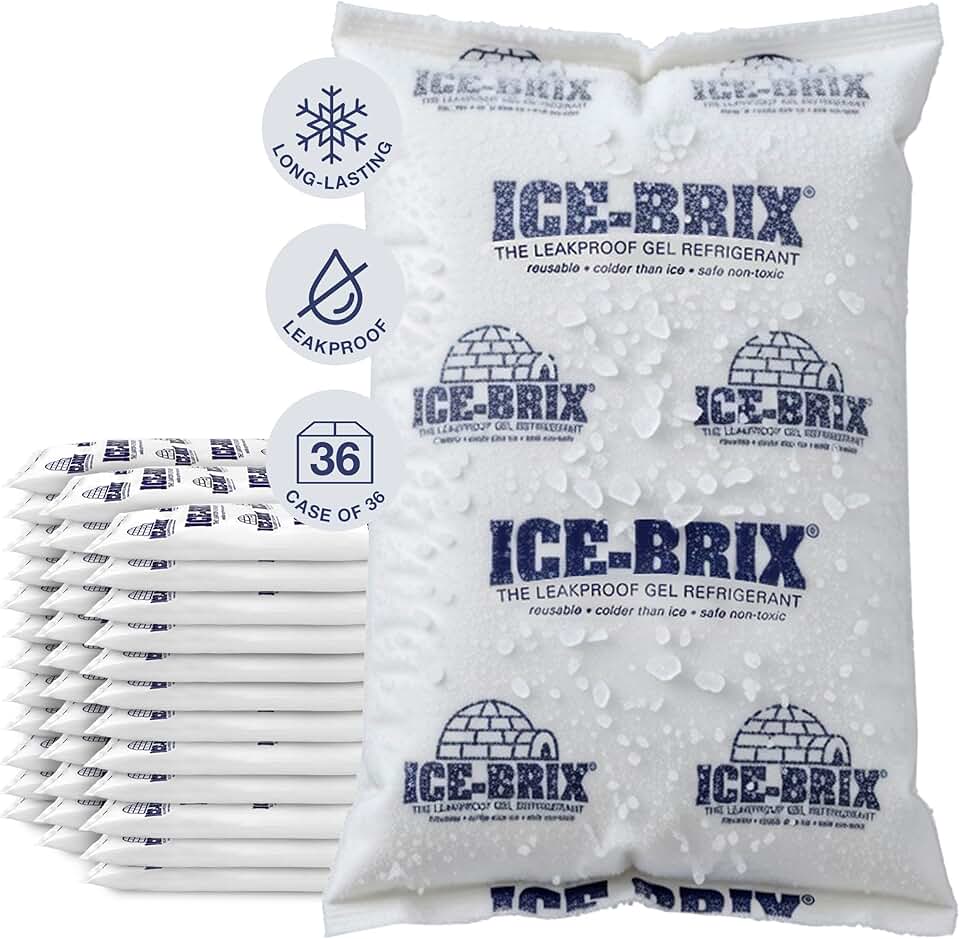
For those who already own a high-quality cooler, Amazon offers a range of accessories to support your dry ice needs. While you cannot buy the dry ice itself directly from Amazon due to shipping restrictions, you can stock up on the essential gear that makes online dry ice delivery viable. Investing in durable, long-lasting dry ice packs or heavy-duty insulated coolers ensures that once your delivery arrives, your contents stay frozen for hours or even days.


As an Amazon Associate, we may earn from qualifying purchases.
Dry ice storage and handling safety
Use this section to make the Dry Ice decision easier to compare in real life, not just on paper. Start with the reader's actual constraint, then separate must-have requirements from details that are merely nice to have. A practical choice should survive normal use, maintenance, timing, and budget. If a recommendation only works in an ideal situation, call that out plainly and give the reader a fallback path.
-
Verify the basicsConfirm the core specs, condition, and fit before comparing extras.
-
Price the downsideLook for the repair, maintenance, or replacement cost that would change the decision.
-
Compare alternativesCheck at least two comparable options before treating one listing as the benchmark.
Common uses for dry ice at home
Use this section to make the Dry Ice decision easier to compare in real life, not just on paper. Start with the reader's actual constraint, then separate must-have requirements from details that are merely nice to have. A practical choice should survive normal use, maintenance, timing, and budget. If a recommendation only works in an ideal situation, call that out plainly and give the reader a fallback path.
The simplest way to use this section is to write down the must-have criteria first, then compare each option against those criteria before weighing nice-to-have features.
No comments yet. Be the first to share your thoughts!