

Find dry ice at local grocery stores
Your nearest supermarket is the most reliable place to Buy Dry Ice for everyday needs. Most major chains stock dry ice in coolers located near the checkout registers or by the front entrance. This placement allows for quick pickup without requiring a trip to a specialized industrial supplier.
Look for branded coolers, often labeled with names like "Penguin" or "Ice Mountain," which indicate authorized distributors. These retailers typically sell dry ice by the pound, with standard packages ranging from one to five pounds. Staff can usually help you load the ice into your vehicle, ensuring it stays insulated during transport.

Using a grocery store offers immediate availability and often lower prices than specialty shops. Many stores also offer drive-up services, allowing you to order online and pick up your dry ice without leaving your car. This convenience makes local supermarkets the first stop for most consumers needing dry ice for events, shipping, or cooling purposes.
Order dry ice for delivery online
Buying dry ice online removes the need to hunt for a store that stocks it. This option is ideal if you live in a rural area or cannot visit a supplier in person. You can have dry ice delivered to your door, though you must plan your timing carefully because it sublimates quickly.
Compare shipping options
Not all delivery methods are created equal. Some services offer reusable packs that stay cold for days, while others ship loose blocks that melt rapidly. Use the table below to decide which method fits your needs.
| Method | Cold Duration | Best For | Cost |
|---|---|---|---|
| Insulated Box with Pellets | 12-24 hours | Small events, medicine transport | $$ |
| Reusable Dry Ice Packs | 24-48 hours | Long trips, meal prep | $$$ |
| Loose Block Delivery | 4-8 hours | Immediate use, parties | $ |
| Dry Ice Shipping Service | 3-5 days | Business shipments, bulk orders | $$$$ |

Choose the right product
When you search to buy dry ice, you will see two main categories: loose ice and reusable packs. Loose ice is cheaper but melts fast. Reusable packs are more expensive upfront but can be refrozen and used many times. For one-off events, loose ice is usually sufficient. For regular use, reusable packs save money over time.


As an Amazon Associate, we may earn from qualifying purchases.
Transport dry ice in a vented cooler
Getting dry ice home is the first hurdle. If you don’t have the right setup, it turns back into gas before you even reach your driveway. The goal is simple: keep it frozen and keep your car safe. You need a container that insulates well but doesn’t trap gas pressure.
Use a sturdy, insulated cooler. A standard camping cooler works best. It keeps the cold in and the warm air out. Never use an airtight container like a trash can or a sealed plastic bin. Dry ice sublimates into carbon dioxide gas. If the gas has nowhere to go, pressure builds up. This can crack the container or blow the lid off.
Line the cooler with newspaper or bubble wrap. This adds extra insulation. Place the dry ice blocks inside. If you bought pellets, they fit easily into the cooler’s compartments. Don’t pack them too tightly; leave a little room for air circulation.
Drive directly home. Don’t make stops. The longer the dry ice sits in a warm car, the faster it disappears. Roll down the windows slightly if you’re driving for more than 15 minutes. This lets fresh air in and pushes the heavy carbon dioxide out. Carbon dioxide can displace oxygen in a closed space, which is dangerous.
Line a sturdy, insulated cooler with newspaper or bubble wrap. This extra layer helps maintain the extreme cold inside. Make sure the lid closes loosely enough to allow gas to escape.
Place the dry ice blocks or pellets into the cooler. If you are transporting it for a long distance, wrap individual blocks in newspaper to slow sublimation. Do not seal the lid tightly.
Transport the cooler in the trunk or cargo area of your car, not the passenger cabin. Crack the windows slightly to allow carbon dioxide gas to escape. Drive directly home to minimize exposure to warm air.
Store dry ice in an insulated container
Once you’ve bought dry ice, time becomes your enemy. Dry ice sublimates directly from solid to gas at -109.3°F (-78.5°C), meaning it disappears even when kept cold. To keep your purchase from vanishing before you’re ready to use it, you need to slow that process down with the right storage method.
Use a high-quality Styrofoam cooler or an insulated cooler designed for long trips. Styrofoam is the gold standard because it provides excellent insulation and is lightweight. Avoid thin plastic coolers, as they allow heat to penetrate too quickly, accelerating sublimation.

Line the bottom of your cooler with a layer of newspaper or cardboard. This adds an extra buffer against heat transfer from the cooler walls. If you have extra dry ice, you can also line the sides and lid with newspaper for maximum insulation.
Place the dry ice blocks or pellets into the cooler. If you have multiple sizes, put the larger blocks at the bottom and smaller pieces on top. Pack items you intend to keep cold around the dry ice, but do not let them touch the dry ice directly to prevent freezing damage to food or other goods.

This is the most critical step. Do not seal the lid tightly. Leave the lid slightly ajar or use a piece of wood to prop it open just enough to allow gas to escape. This prevents pressure buildup while still trapping the cold air inside. If you must seal it for transport, check it frequently to ensure no pressure is building.
Wrap the entire cooler in a blanket or place it inside a larger box. This adds an extra layer of insulation, especially if you are transporting the dry ice in a warm car. Keep the cooler out of direct sunlight and in the coolest part of your vehicle, such as the air-conditioned cabin or the trunk if it is insulated.
By following these steps, you can extend the life of your dry ice significantly. A well-insulated cooler can keep dry ice intact for 24 hours or more, depending on the ambient temperature and how frequently the cooler is opened. Always handle dry ice with thick gloves or tongs to avoid frostbite, and ensure your storage area is well-ventilated.
Handle dry ice with protective gear
Dry ice sits at -109.3°F (-78.5°C). Touching it with bare skin causes instant frostbite, similar to touching a hot stove. The cold is so intense it bonds to your skin, tearing tissue as you pull away. Always treat dry ice as a hazardous material, not a regular ice cube.
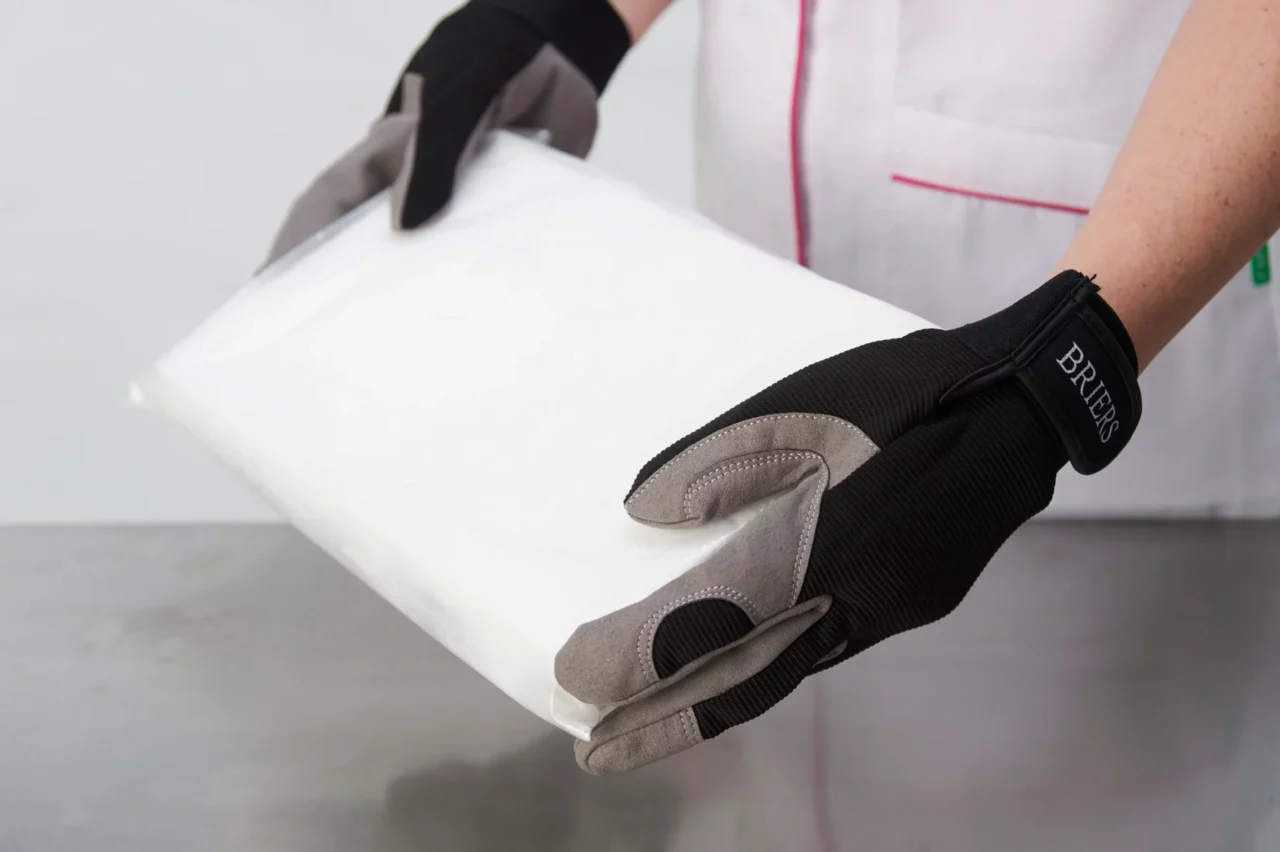
When you buy dry ice for home use, follow this safety sequence. Wear heavy-duty insulated gloves or use tongs to handle the blocks. Never use thin latex or cotton gloves; the cold passes through immediately. If you must use your hands, limit contact to less than a second and keep a fire extinguisher nearby, just in case.
Protect your eyes and lungs as well. The sublimating gas displaces oxygen in small, enclosed spaces. Wear safety goggles to shield your eyes from accidental splashes. Work in a well-ventilated area to prevent carbon dioxide buildup. If you feel dizzy or short of breath, move to fresh air immediately.
Transport dry ice in a vented container, like a cooler with the latch slightly open. Never seal it in an airtight container or a car trunk. The expanding gas can crack the container or create a suffocation hazard in your vehicle. Keep the container upright and out of direct sunlight during transport.
Check local regulations before buying
Before you head to the store to buy dry ice, take a moment to verify any local purchasing rules. While most grocery stores and big box retailers sell dry ice to the general public, some locations enforce specific restrictions.
18+ RequirementSome sellers may require you to be at least 18 years old to make a purchase. This policy is often in place to ensure that buyers understand the safe handling and transportation of the material. It is not a universal rule, but it is common in certain regions or with specific vendors.
Additionally, check if your local area has any restrictions on the transport or storage of dry ice. Some municipalities may have guidelines on how it should be carried in your vehicle or stored in your home. A quick call to your local supplier can clarify these details and save you a wasted trip.
Buy dry ice safely
Buying dry ice is a quick errand, but skipping the prep steps can lead to wasted product or injury. Treat the transaction like a timed delivery: your goal is to get the cold from the store to your freezer with minimal exposure to air.

1. Bring the right container
Never store dry ice in an airtight container like a Tupperware or cooler lid. The sublimating gas needs to escape, or pressure will build up. Bring an insulated cooler with the lid loose, or use thick cardboard boxes lined with newspaper to absorb moisture.
2. Check age requirements
Most grocery stores and big-box retailers require buyers to be at least 18 years old. This is a standard policy for handling hazardous materials. If you are under 18, you will need an adult to purchase the dry ice for you.
3. Transport it immediately
Once you purchase dry ice, drive directly home. Do not leave it in a closed car trunk or backseat for long periods. The gas can displace oxygen in a small space, creating a safety hazard. Crack a window slightly if you must wait in the car.
4. Store it properly
At home, keep the dry ice in an insulated cooler. It will last for 24 to 48 hours depending on the size of the block and the cooler's quality. Do not put it in a standard refrigerator or freezer, as the extreme cold can damage the appliance's seals and thermostat.
Where to buy dry ice near me
Finding a reliable source is the first step in buying dry ice for home use. Most major grocery chains and big-box retailers stock dry ice at their freezers, often near the frozen foods section. If you cannot find it locally, online retailers offer delivery options, though shipping costs can vary significantly.
Age and Purchase Requirements
While dry ice is a common household item, retailers often impose age restrictions. Most stores require buyers to be at least 18 years old to purchase dry ice. This policy is in place due to the safety risks associated with handling extremely cold materials and the potential for carbon monoxide buildup in enclosed vehicles.
Storage Duration
Dry ice sublimates rapidly, turning directly from solid to gas. To maximize its lifespan, store it in a well-ventilated cooler, never an airtight container. In a standard insulated cooler, dry ice typically lasts 18–24 hours. For longer trips, block dry ice lasts longer than pellet forms. Always keep the cooler lid closed as much as possible to preserve the ice.
No comments yet. Be the first to share your thoughts!