

Gear up before handling dry ice
Dry ice sits at -109°F (-79°C), which means bare skin contact causes instant frostbite. You need to treat it like any other cryogenic material: never touch it with your hands. Before you even open the storage container, put on the right protective equipment to prevent immediate injury.
Insulated gloves
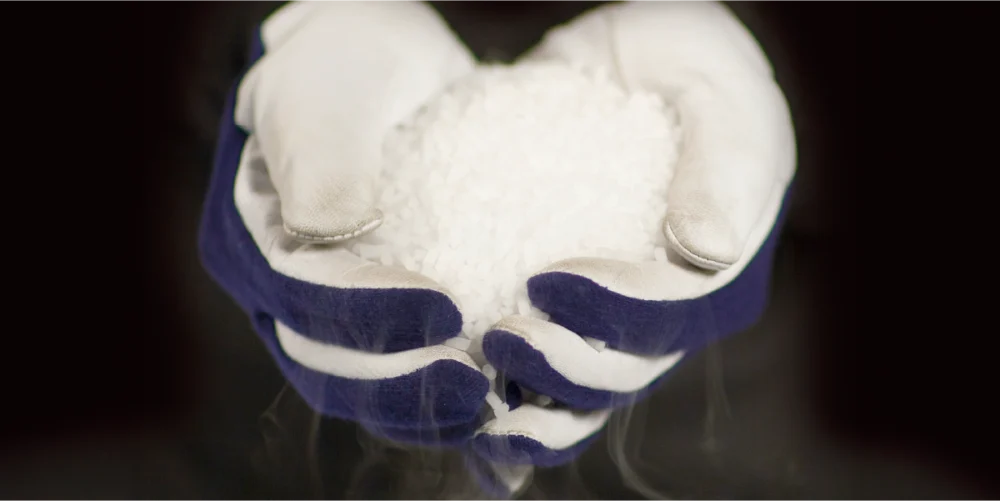
Standard cotton or latex gloves are not enough. They offer no protection against the extreme cold and can even stick to the dry ice, tearing skin when you try to pull them off. Use thick, insulated work gloves or specialized cryogenic gloves. If you don't have those, use tongs to move the blocks instead of your hands.
Safety goggles
Dry ice can crack or shatter when handled roughly, sending small shards flying. Regular prescription glasses might not offer enough side protection. Wear safety goggles that seal around the eyes to keep out dust, shards, and any accidental splashes from the sublimating gas.

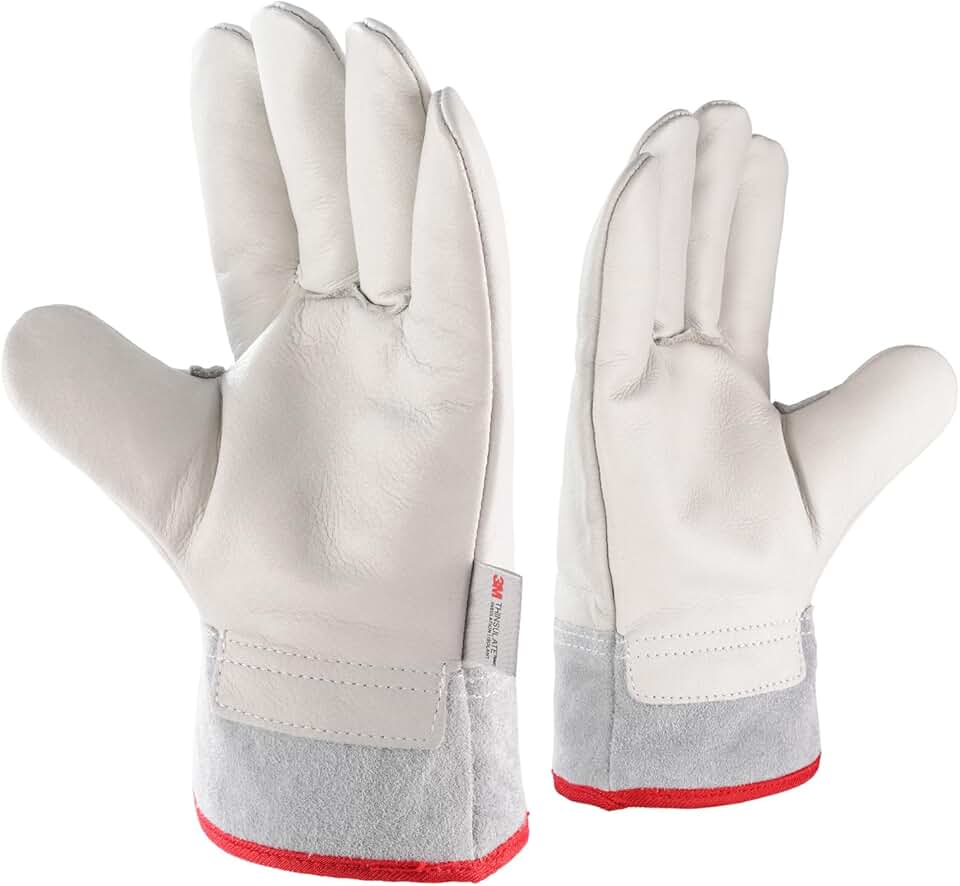
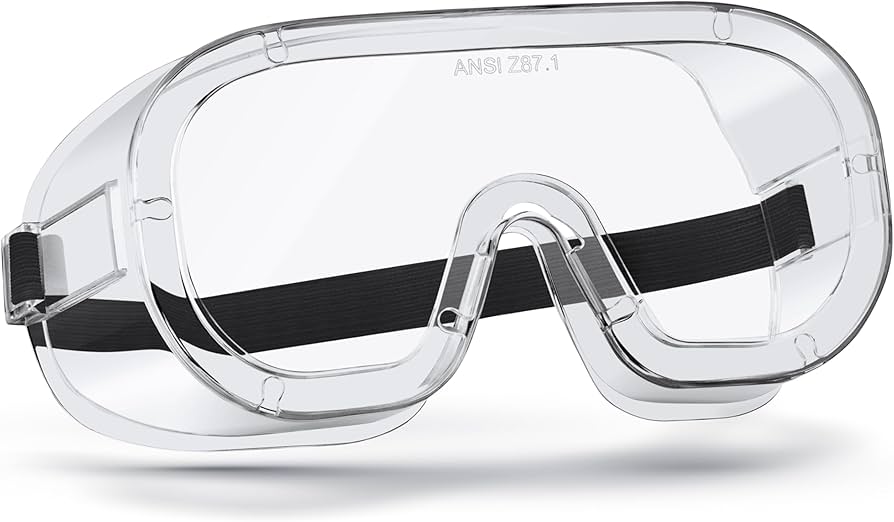

As an Amazon Associate, we may earn from qualifying purchases.
Once your gear is on, you are ready to move the ice. Keep your movements calm and deliberate to avoid cracking the blocks. If you drop a piece, let it sit; do not try to catch it. Your safety depends on this first step.
Transport dry ice in a vented container
When moving dry ice from the supplier to your home, the single most important rule is to never seal it in an airtight container. Dry ice sublimates, meaning it turns directly from a solid into a gas. In a closed space, this expanding carbon dioxide creates immense pressure that can cause containers to rupture or explode.
Use a standard Styrofoam cooler with the lid loosely placed on top, or a cooler with a vented lid. Do not tape, clamp, or latch the lid shut. This allows the carbon dioxide to vent while keeping the ice frozen long enough for your trip.
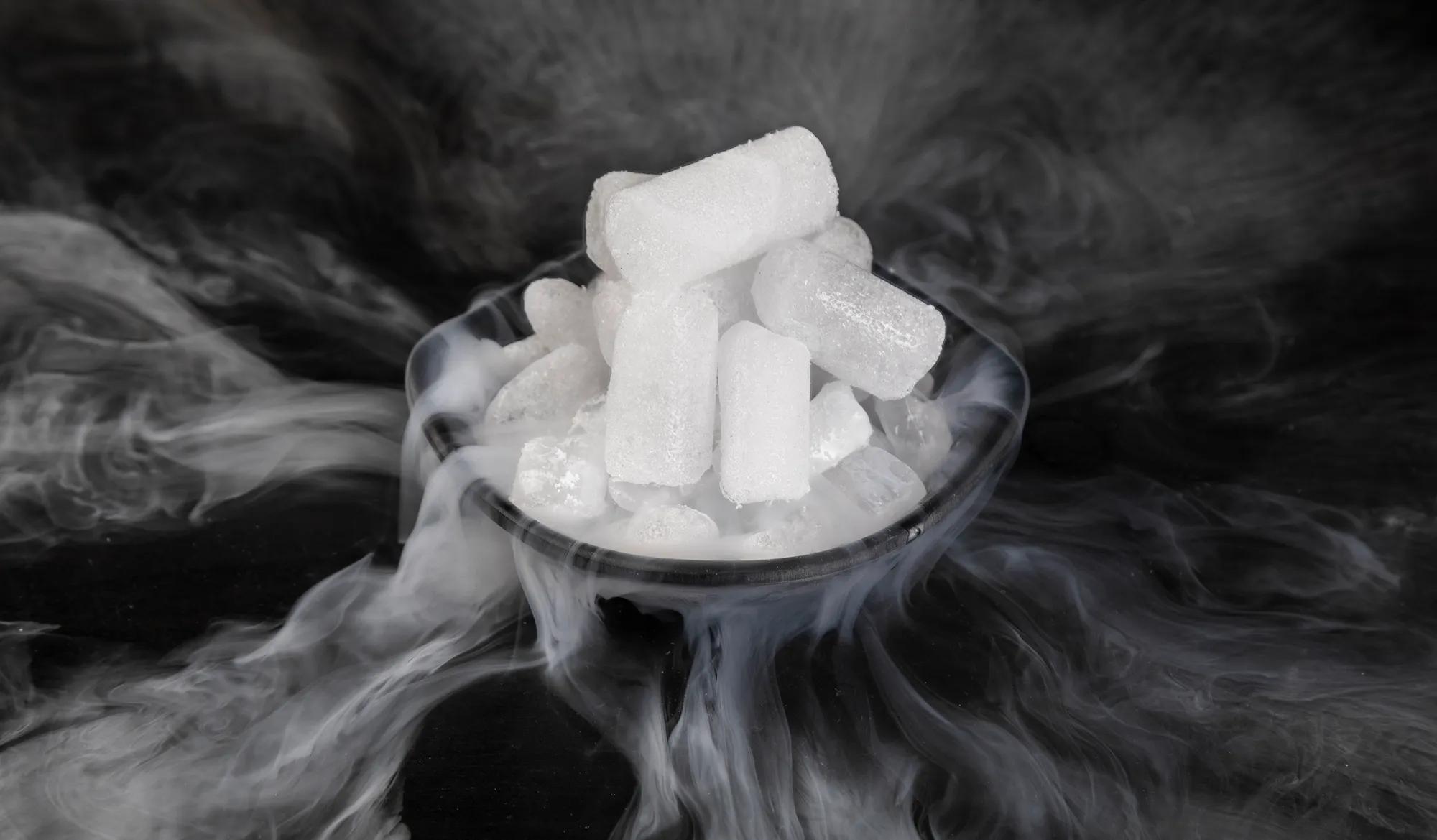
Use a Styrofoam cooler, which insulates better than plastic. Leave the lid slightly ajar or ensure it has a vent. Do not seal it with tape or latches.
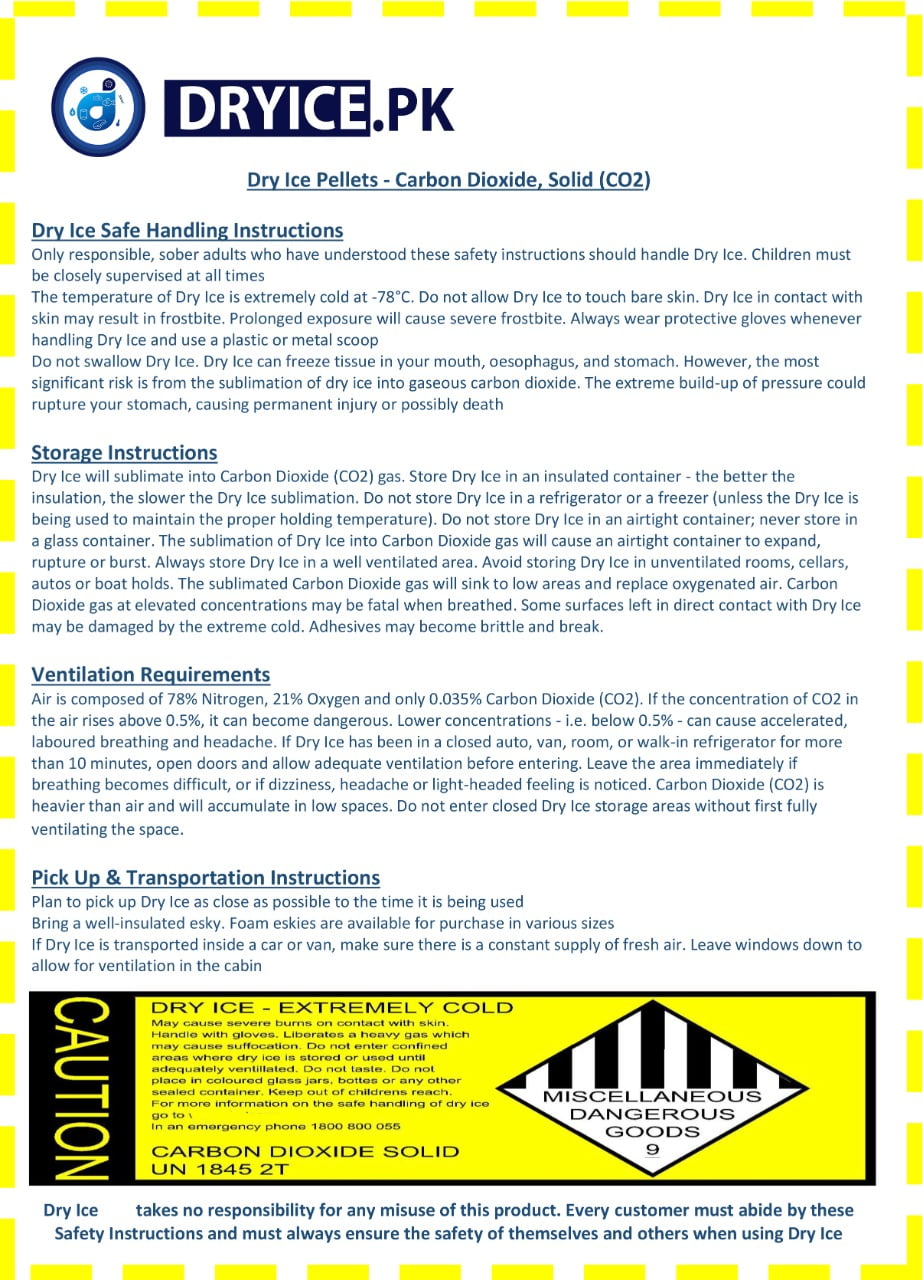
Wrap the dry ice in newspaper or place it in a small box inside the cooler. This provides extra insulation and protects your hands if you need to move it.
Drive with windows cracked open if possible. Keep the cooler in the passenger footwell or trunk, but never in a sealed car cabin for extended periods.
The pressure from sublimating dry ice can reach dangerous levels in minutes. A sealed plastic bottle or a tightly closed metal canister can burst with enough force to cause injury. Always prioritize ventilation over containment during transport.
For more detailed handling instructions, refer to the University of California Irvine Facilities safety guidelines on dry ice precautions.
Store dry ice in a well-ventilated freezer
Storing dry ice correctly prevents carbon dioxide buildup, which can displace oxygen and cause asphyxiation. You must keep the storage container loose-lidded or slightly ajar to allow the gas to vent.

Use a dedicated chest freezer if possible. The heavy lid stays closed by gravity, reducing the risk of accidental opening, and the thick insulation helps maintain the extremely low temperature longer than upright models.
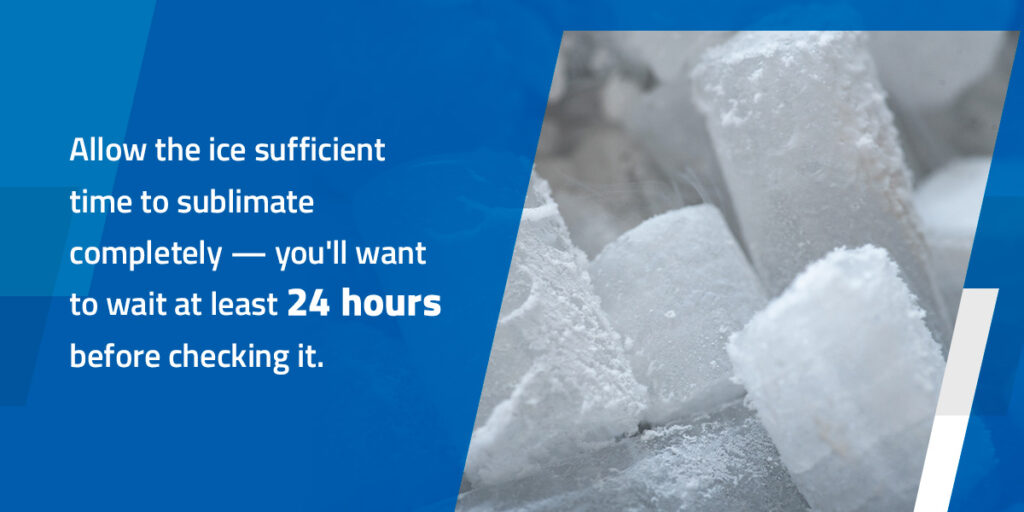
Wrap blocks in newspaper or bubble wrap to slow sublimation. This keeps the dry ice solid for a longer period and prevents direct contact with the freezer's plastic lining, which can become brittle and crack in extreme cold.
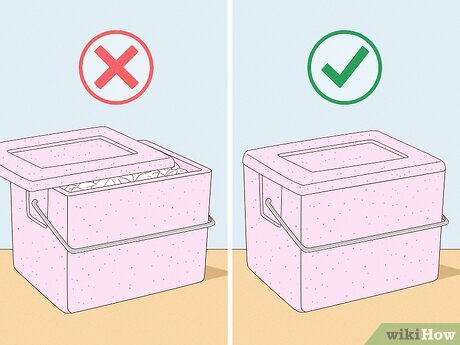
Do not seal the lid completely. Prop it open just enough to let carbon dioxide escape. An airtight seal allows gas to accumulate, increasing pressure and creating a suffocation hazard inside the room.
Add a visible label warning that the freezer contains dry ice. This alerts other household members to the hazard and prevents accidental exposure to the extremely cold surface or the invisible gas.
The CDC recommends working in well-ventilated rooms when handling dry ice to avoid carbon dioxide accumulation. While a freezer provides some containment, ensuring the surrounding area has airflow is essential for safety. Never store dry ice in a standard refrigerator or a sealed cooler for extended periods.
If you notice frost forming heavily on the lid or hear hissing, the ventilation is insufficient. Adjust the lid position immediately. Regularly check the temperature gauge if your freezer has one, ensuring it remains below -79°F (-61°C) to maintain the dry ice state.
Break dry ice with proper tools and technique
Large blocks of dry ice can weigh over 50 pounds, making them difficult to manage and prone to shattering unpredictably if handled incorrectly. Breaking them into smaller, manageable pieces is a necessary step for most home experiments, but it requires specific tools and a calm approach to avoid injury. The primary goal is to control the fracture lines rather than forcing a break.
Always wear insulated gloves and safety goggles before starting. Dry ice is -109°F (-79°C), and direct skin contact causes instant frostbite. Goggles protect your eyes from flying shards, which can happen even with minor taps. Never handle dry ice with bare hands, regardless of how small the piece seems.
Place the dry ice block on a sturdy, non-slip surface like a wooden cutting board or a thick rubber mat. Avoid breaking it on hard surfaces like concrete or tile, as the shock can cause the ice to explode into dangerous shards. Ensure the area is well-ventilated to prevent carbon dioxide buildup.
A standard claw hammer is too aggressive and can cause the dry ice to shatter violently. Instead, use a wooden mallet or a rubber hammer to deliver controlled, blunt force. If you need to split a large block, use a metal chisel or a heavy-duty screwdriver placed at the desired fracture line. Tap gently until the piece separates.
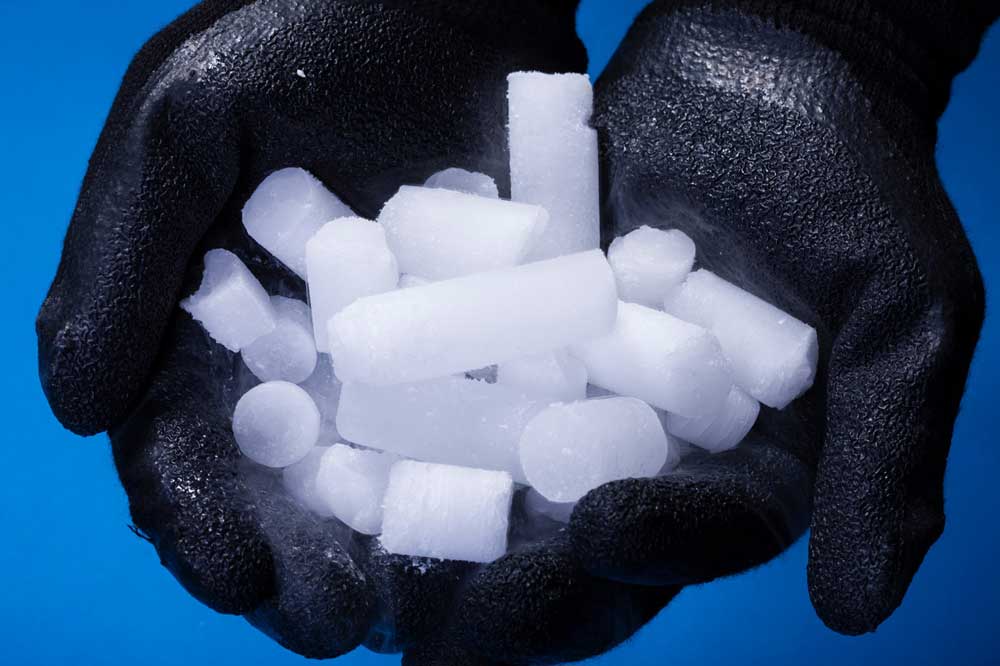
Do not try to break the entire block at once. Work in small sections, breaking off pieces no larger than your intended use. This reduces the weight of each piece, making them easier to handle and store in your insulated container. Smaller pieces also sublimate more evenly during your experiment.
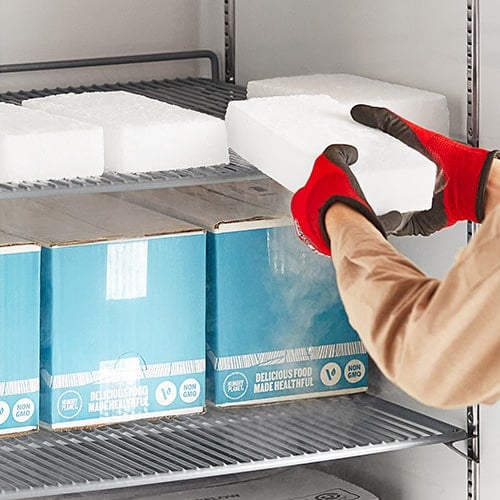
As soon as you break a piece, place it into your insulated cooler or container. Dry ice sublimes quickly at room temperature, so minimizing exposure time preserves the ice for your project. Keep the container lid slightly ajar to allow carbon dioxide gas to escape, preventing pressure buildup.
If you do not have the proper tools, consider purchasing pre-sized pellets or cubes from a supplier. Forcing a break with inadequate equipment increases the risk of injury significantly. Always prioritize controlled, slow breaks over speed.
Avoid common dry ice handling mistakes
Even with the right gear, small errors can turn dry ice from a harmless prop into a hazard. The material sits at -109°F (-78°C), meaning direct contact causes instant frostbite, and rapid sublimation can displace oxygen in enclosed spaces. Learning what not to do is just as important as knowing how to store it.
Storing it in an airtight container
One of the most dangerous mistakes is sealing dry ice in a rigid, airtight cooler or box. As the solid carbon dioxide sublimes into gas, it expands roughly 800 times in volume. In a sealed environment, this pressure builds rapidly and can cause the container to burst or explode. Always use an insulated cooler with the lid loosely closed or taped slightly ajar to allow the gas to vent.
Touching it with bare hands
Never pick up dry ice with bare fingers. The extreme cold transfers heat from your skin so quickly that it causes immediate tissue damage, similar to severe frostbite. Even brief contact can result in painful burns that require medical attention. Always wear insulated gloves or use tongs to handle the blocks or pellets.
Eating or swallowing it
Dry ice is not a substitute for regular ice in drinks. Swallowing a piece can cause severe internal burns to the mouth, throat, and digestive tract. Additionally, as it melts inside the body, the expanding gas can cause life-threatening internal pressure. Keep dry ice out of reach of children and clearly label any containers holding it.
Using it in unventilated spaces
Carbon dioxide is heavier than air and can accumulate in low-lying areas. In small, unventilated rooms, sublimating dry ice can displace oxygen, leading to dizziness, headaches, or asphyxiation. Always use dry ice in well-ventilated areas and avoid sleeping in a vehicle or small room where dry ice is actively sublimating.
-
Wear insulated gloves or use tongs
-
Store in a ventilated cooler with the lid loose
-
Keep out of reach of children and pets
-
Ensure the handling area is well-ventilated
-
Dispose of remaining ice in a large, open area
Frequently asked questions about dry ice safety
These answers address the most common concerns about handling dry ice at home, focusing on immediate safety risks and proper storage.
For detailed safety protocols, refer to the Cornell University EHS Dry Ice Tip Sheet or guidelines from the Compressed Gas Association.
No comments yet. Be the first to share your thoughts!